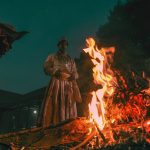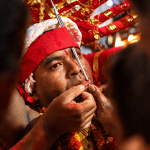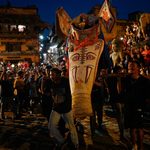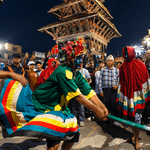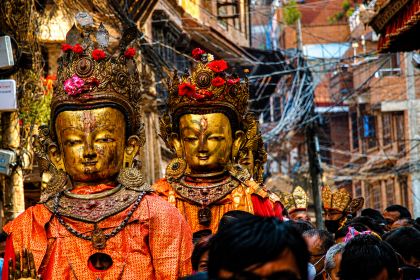


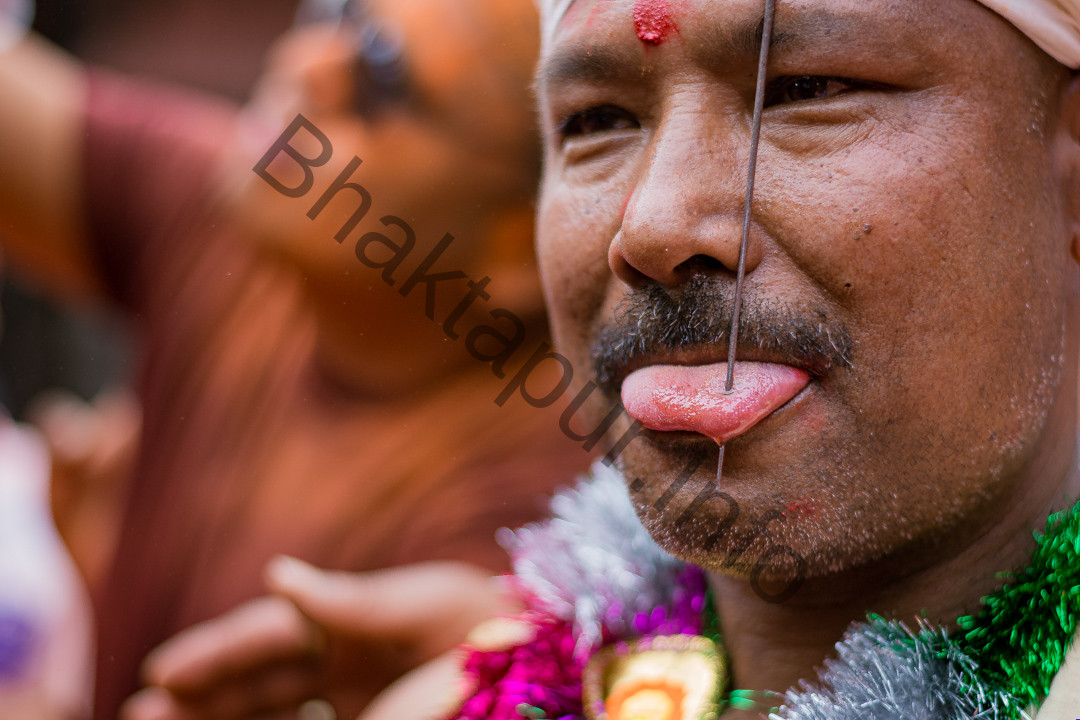
Every year on the second day of the Nepali New Year (Bikram Sambat), Bode, Bhaktapur hosts the centuries-old Jibro Chedne Jatra (जिब्रो छेड्ने जात्रा) also known as the Tongue Piercing Festival, which took place on mostly on April 15 every year. This very symbolic custom, which has its roots in folklore, has long been thought of as the ancient town’s spiritual defense against natural disasters and famine.
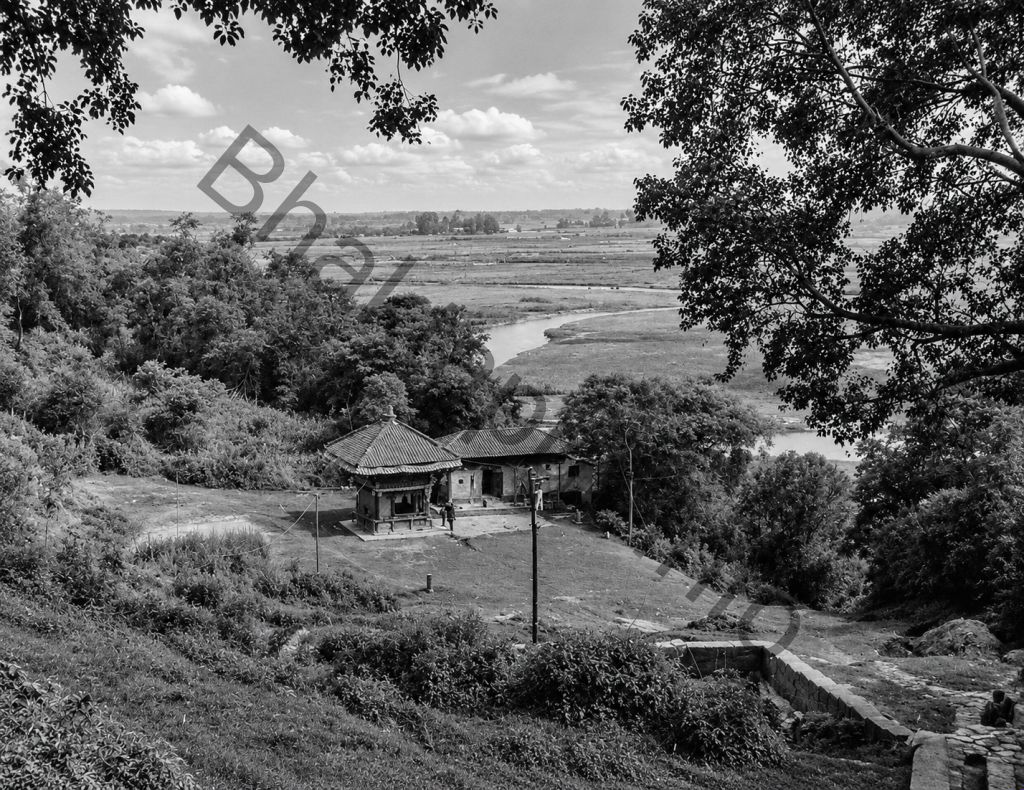
The custom originated during a period of extreme hunger in Bode, according to local legend. A man posing as Lord Bhairav was urged by a spiritual leader, who was thought to be a hierophant, to have his tongue wounded in order to satisfy the gods and shield the community from disasters like starvation and damaging rainfall. Since then, the ceremony has been performed with solemnity and rigorous devotion to custom for over a century.
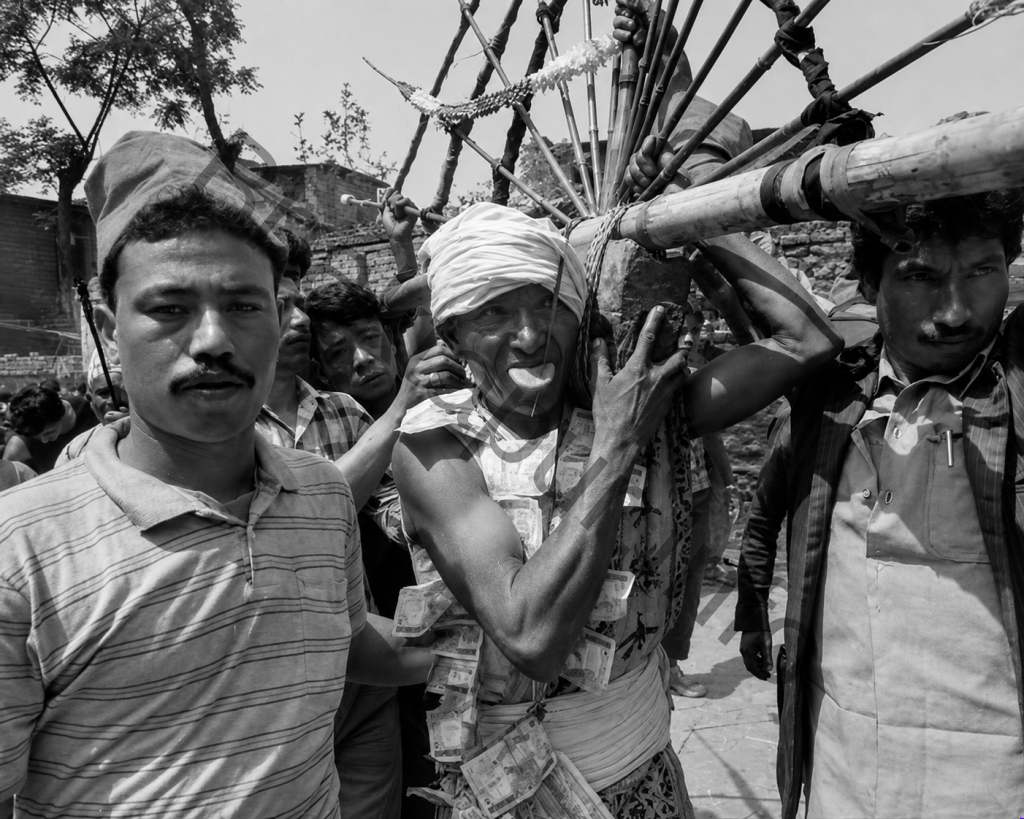
In the days preceding the ceremony, the selected participant, who is thought of as a conduit for divine intervention, prepares alone and adheres to dietary restrictions. The participant’s tongue is punctured on the day of the ceremony using a 10-inch iron needle that has been coated with protective metal priming and soaked in mustard oil for four days. A sizable, committed audience gathers to watch this uncommon and potent display of faith and perseverance as the act is performed in public.
According to historical reports, the celebration began during the reign of King Jagajyoti Malla, who is credited with institutionalizing the custom. Harka Narsingh Shrestha, who did the deed for 22 years in a row from 1912 to 1933, is notable among those who have preserved the custom as the first known tongue piercer. Only 13 people have assumed this hallowed role in the festival’s 110-year history.
Jibro Chedne Jatra, an enduring emblem of dedication, resiliency, and communal harmony passed down through the generations, continues to be a pillar of Bode‘s cultural and spiritual identity nowadays.