


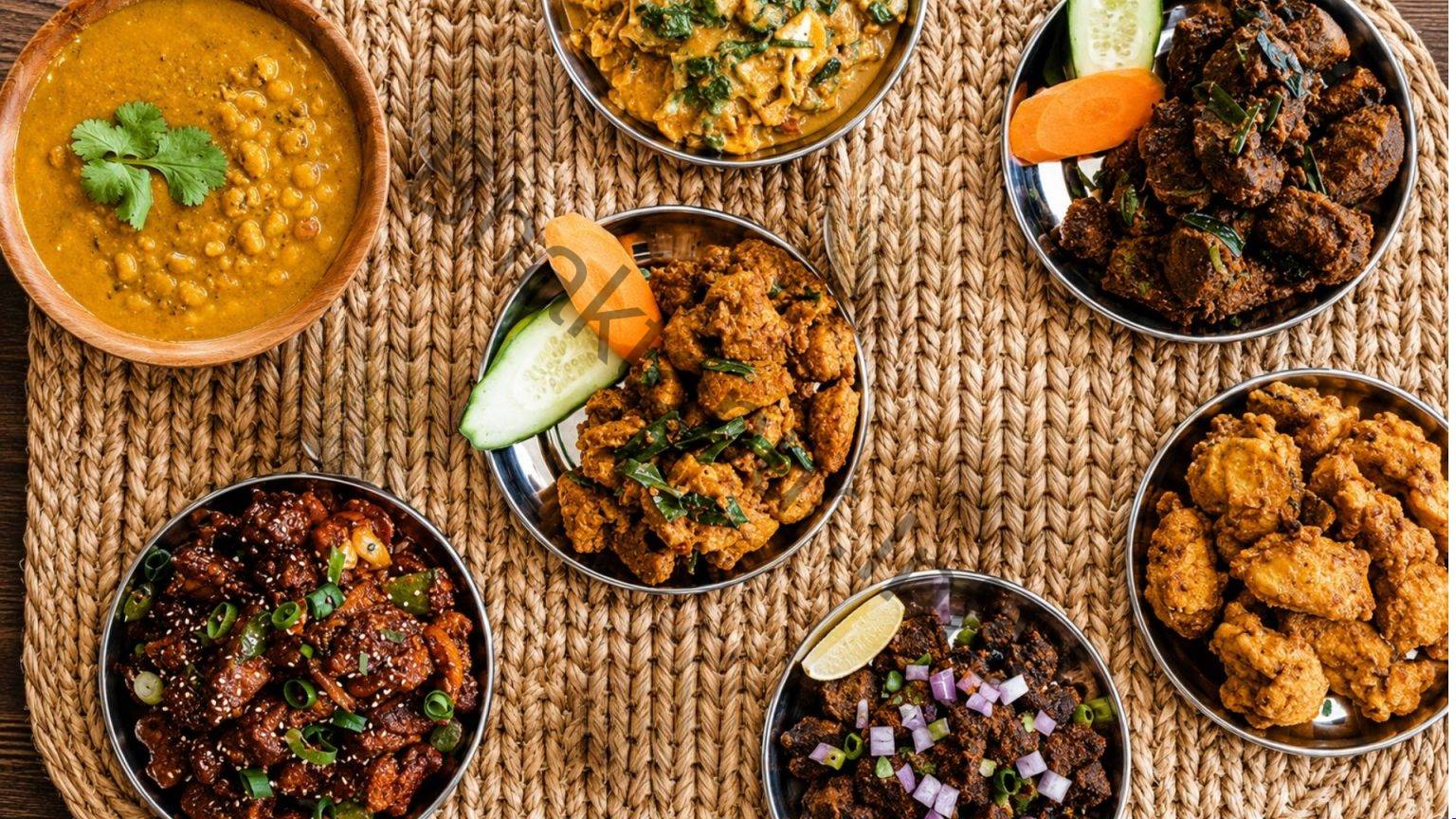

Traditional Newari cuisine is more than a celebration of flavor and culture—it is also a source of balanced nutrition when prepared using traditional methods. Many Newari dishes incorporate locally grown grains, legumes, vegetables, fermented foods, herbs, and spices that contribute to overall health.
1. Rich in Protein
Many Newari dishes contain high-quality plant and animal proteins. Foods such as Kwati ,Gwarcha(Paani Roti), Black Soybeans (Bhatmas), Lentils, Buffalo Meat (Chhoila), and Eggs help build muscles, repair body tissues, and support a healthy immune system.
2. Excellent Source of Dietary Fiber
Traditional foods prepared with legumes, whole grains, vegetables, and leafy greens provide dietary fiber that:
- Improves digestion
- Prevents constipation
- Supports gut health
- Helps regulate blood sugar levels
3. Rich in Essential Vitamins and Minerals
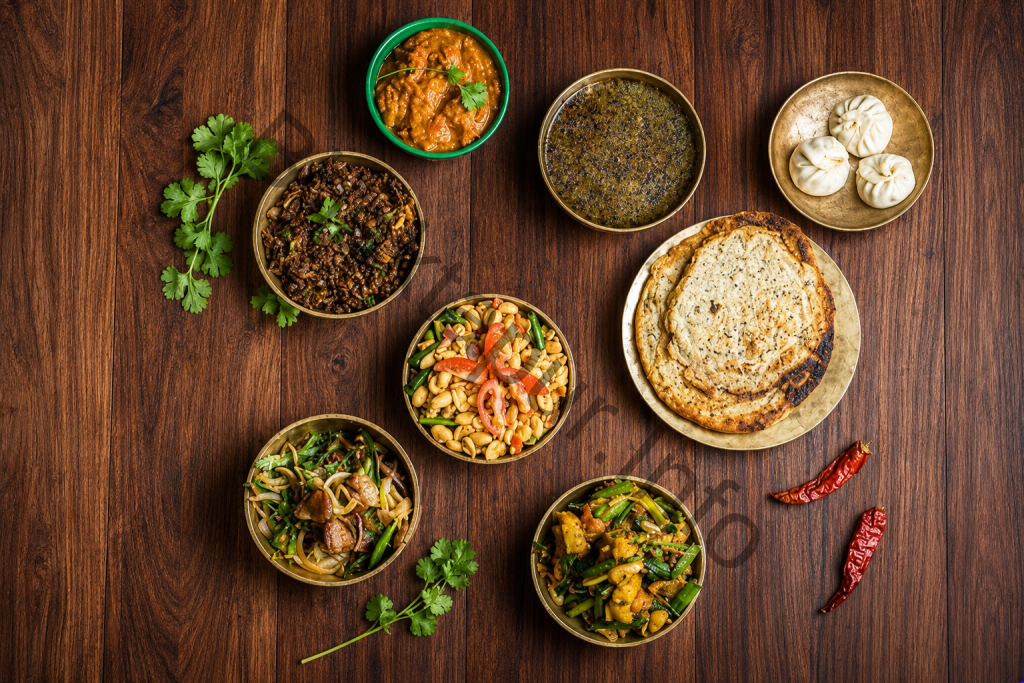
Newari cuisine contains ingredients rich in:

- Iron for healthy blood circulation
- Calcium for strong bones
- Potassium for heart health
- Magnesium for muscle and nerve function
- Vitamins A, C, and B-complex for immunity and energy production
4. Fermented Foods Support Gut Health
Many Newari foods are naturally fermented, including:
- Gundruk
- Sinki
- Pickles (Achar)
- Traditional rice beverages
These foods contain beneficial bacteria that promote a healthy digestive system and improve nutrient absorption.
5. Natural Herbs and Spices
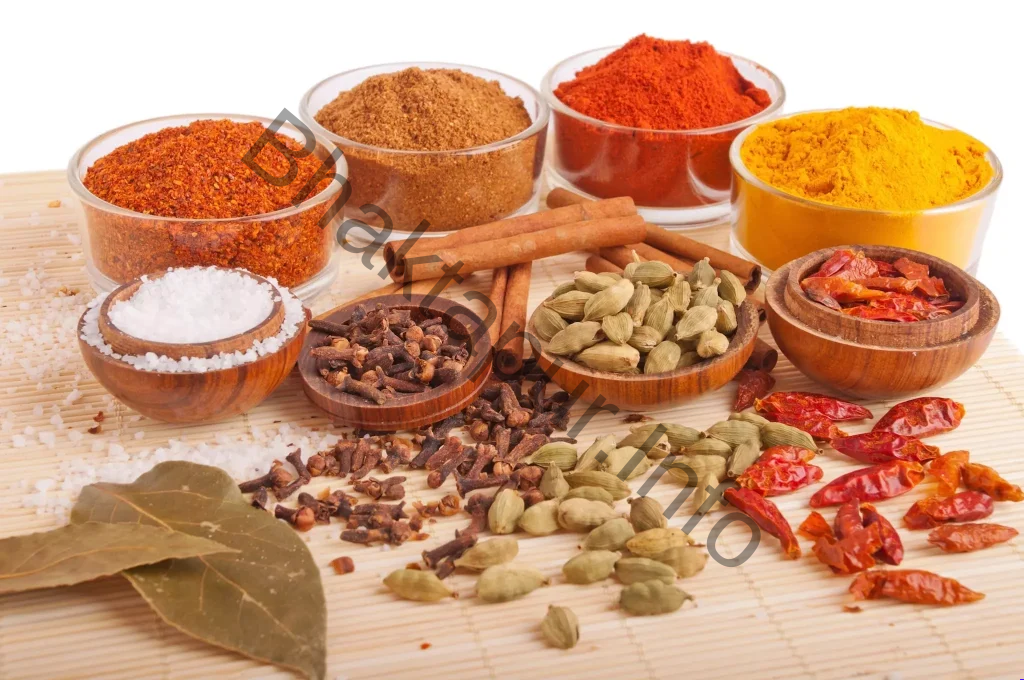
Traditional recipes use spices such as:
- Ginger
- Garlic
- Turmeric
- Cumin
- Fenugreek
- Sichuan pepper (Timur)
These ingredients have anti-inflammatory, antioxidant, antimicrobial, and digestive properties.
6. Heart-Friendly Ingredients
Legumes, vegetables, mustard oil (used in moderation), garlic, and whole grains may help:

- Lower bad cholesterol
- Improve blood circulation
- Support cardiovascular health
7. Seasonal and Fresh Ingredients
Newari cooking emphasizes locally grown seasonal vegetables and fresh ingredients, ensuring higher nutritional value and better flavor while reducing the need for preservatives.
8. Energy-Rich Traditional Meals
Foods like beaten rice (Chiura), Yomari, Bara, and Samay Baji provide carbohydrates, proteins, and healthy fats that offer sustained energy throughout the day.
9. Immune System Support
The combination of legumes, fresh vegetables, spices, and fermented foods supplies antioxidants and nutrients that strengthen the immune system and help the body fight infections.
10. Balanced Traditional Diet
A typical Newari meal often includes:
- Whole grains or beaten rice
- Protein-rich legumes or meat
- Seasonal vegetables
- Fermented pickles
- Soups
- Healthy fats
This combination provides a well-balanced mix of carbohydrates, proteins, fats, vitamins, minerals, and fiber.
Popular Healthy Newari Foods
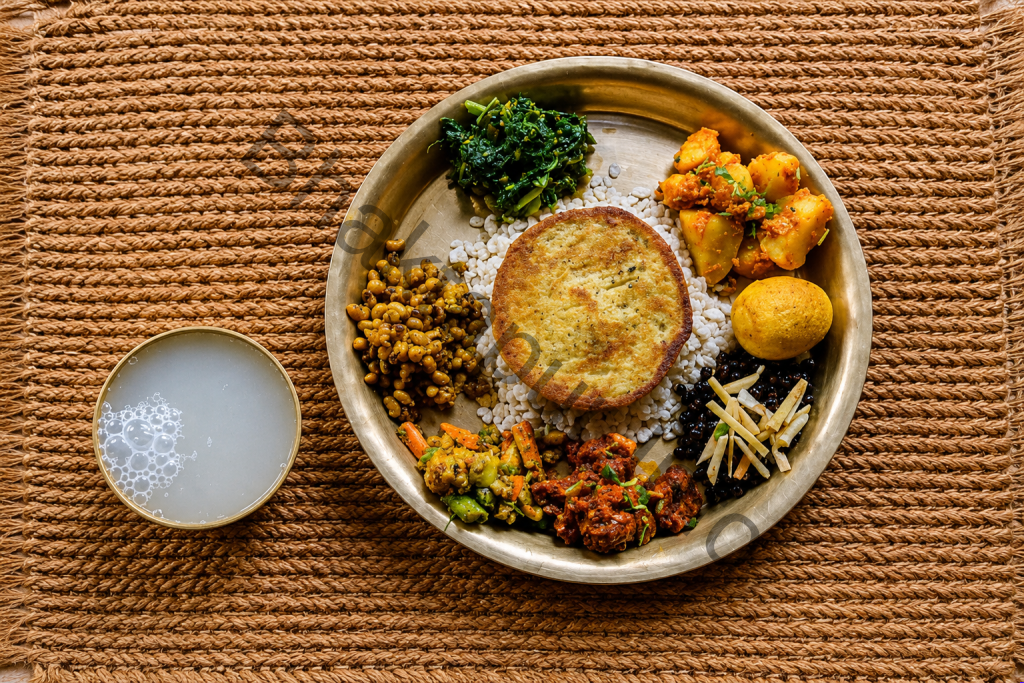
- Samay Baji – A balanced platter with beaten rice, black soybeans, eggs, meat, vegetables, and pickles.
- Kwati ,Gwarcha (Paani Roti) – Mixed sprouted bean soup rich in plant protein and fiber.
- Bara (Wo) – Protein-rich lentil pancake.
- Yomari – Rice flour dumpling filled with sesame or molasses, enjoyed as an energy-rich festive treat.
- Chhoila – Spiced grilled buffalo meat, high in protein.
- Gundruk Soup – Fermented leafy greens rich in probiotics.
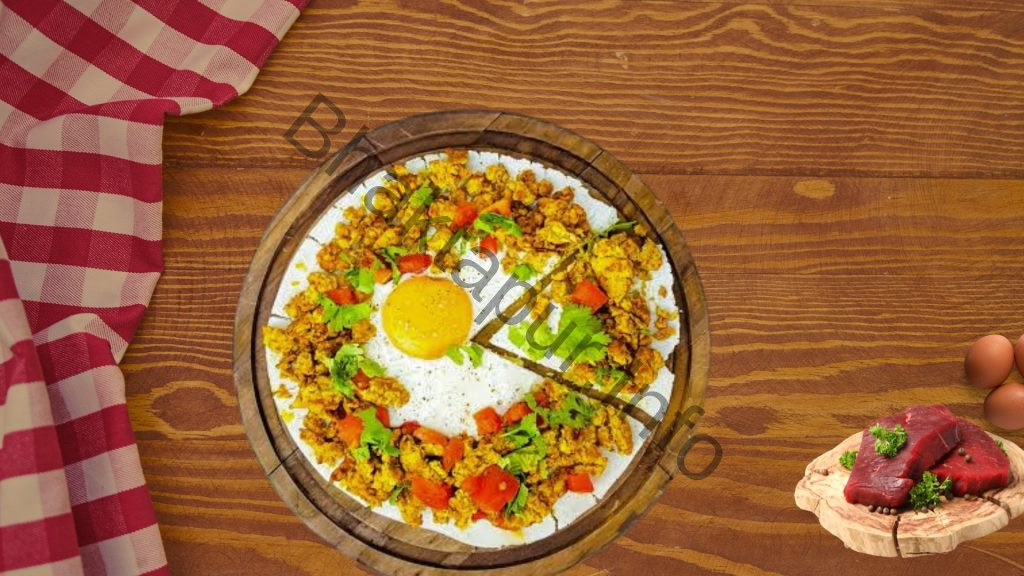
- Chatamari – Rice flour pancake that can be topped with eggs, vegetables, or minced meat.
- Thon Chhyang : A traditional, mildly alcoholic, cloudy fermented rice beer popular in the Newar and broader Himalayan cultures
Enjoy in Moderation
While many traditional Newari foods are highly nutritious, dishes prepared with large amounts of oil, salt, sugar, or fatty meats are best enjoyed in moderation as part of a balanced diet.
Traditional Newari cuisine beautifully combines nutrition, sustainability, and cultural heritage, making it one of Nepal’s most diverse and wholesome culinary traditions.