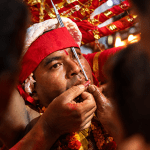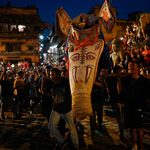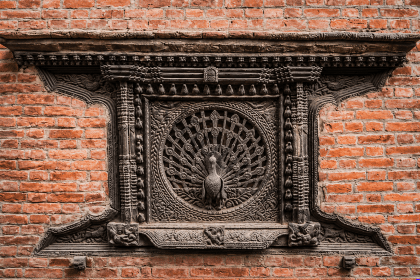

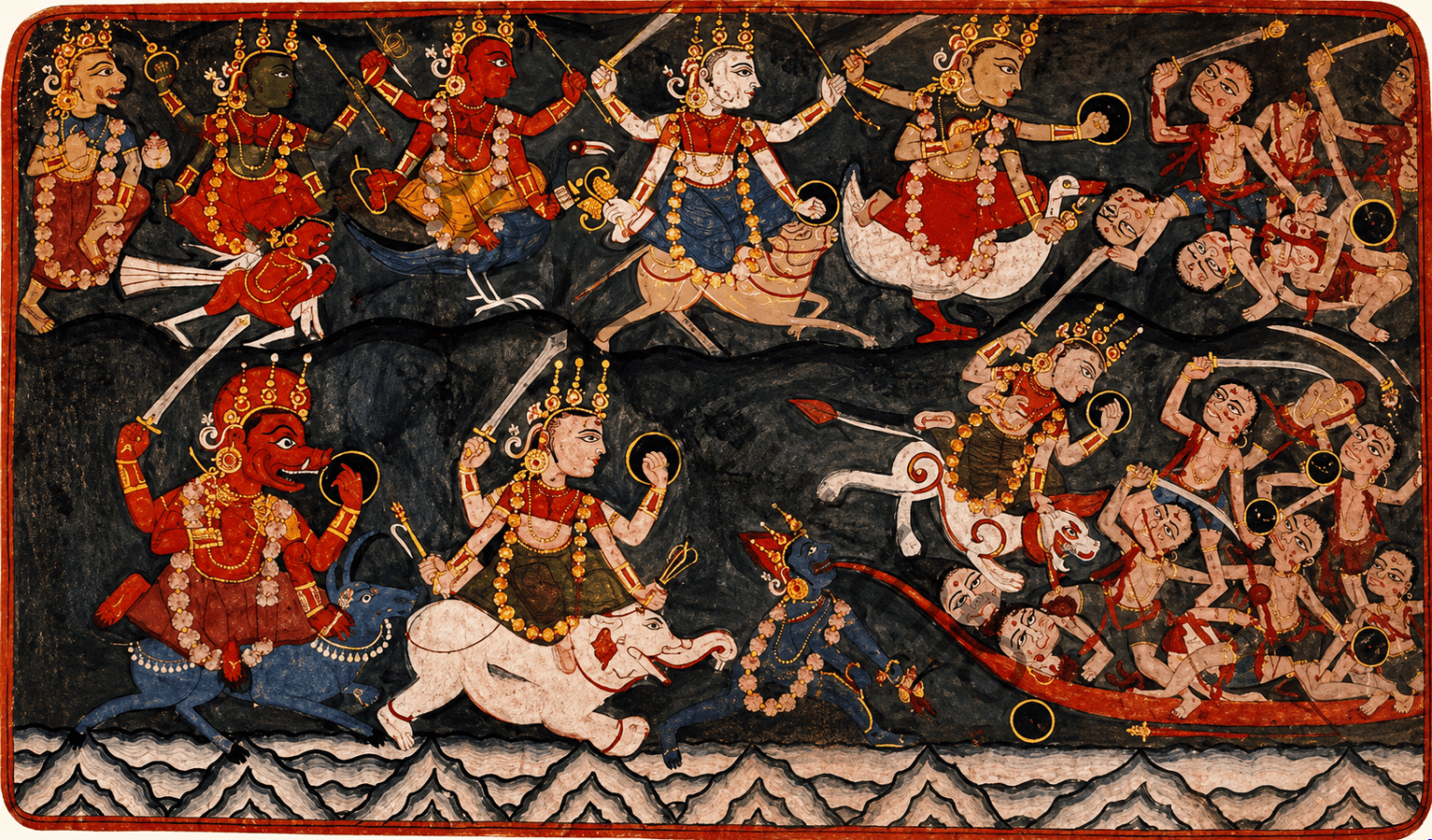

The religious, cultural, and spiritual traditions of Bhaktapur, Nepal, lay great importance on the Ashtamatrika, also known as the Eight Mother Goddesses. These strong goddesses, revered in Hindu Shakta and Tantric traditions, are linked to protection, divine feminine energy, and the holy structure of traditional Newar communities. The Ashtamatrika are particularly significant in Bhaktapur because they protect the city’s borders and are a part of the larger religious community where the Navadurga tradition thrives.
Their significance goes beyond being worshipped in temples and shrines. The Eight Mothers illustrate the intimate connection between religion, festivals, sacred land, community identity, and the preservation of Newar cultural legacy. A greater understanding of Bhaktapur as a historic city where spiritual ideas continue to influence cultural life can be gained by comprehending the Ashtamatrika.
1. What Is Ashtamatrika?
Ashta, which means eight, and matrika, which means mother, are combined to form the Sanskrit phrase Ashtamatrika. When taken as a whole, the terms allude to eight mother goddesses who are connected to divine strength and defence.
The Matrikas are associated with key Hindu deities and symbolise various manifestations of Shakti, or divine feminine energy. Different areas and traditions may have different names, forms, and ritual connotations.

The Ashtamatrika have a unique position in Newar religious life in the Kathmandu Valley. They are more than just a group of distinct goddesses in Bhaktapur; they are a part of a sacred system that links the physical limits of the city with its social and religious structure. The eight goddesses are described in ethnographic and heritage studies as protectors of various aspects of the ancient city.
2. The Eight Mother Goddesses of Bhaktapur
The commonly recognized group comprises Brahmani, Maheshwari, Kaumari, Bhadrakali, Barahi, Indrayani, Mahakali, and Mahalakshmi. Each goddess has distinct mythological associations and qualities.
1. Brahmani (ब्रह्मायणी)
Brahmayani, the protector of the East
Local language: Wata Ajima (वाता अजिमा)
Brahmani represents the creative power associated with Brahma, the Hindu deity of creation. She is connected with creation, knowledge, sacred order, and the sustaining power of life. In Nepal, Brahmayani is also an important regional goddess name, although local traditions and iconography can differ.
2. Maheshwari (माहेश्वरी)
Maheshwari, seated in the Southeast
Local language: Bata Ajima (बाता अजिमा)

Associated with Shiva, Maheshwari represents strength, spiritual power, and protection. Her identity reflects the transformative and formidable aspects of divine energy. In traditional goddess worship, she is understood as a feminine manifestation of Shiva’s power.
3. Kaumari (कौमारी)
Kaumari, the protector of the South
Local language: Pasi Ajima (पसि अजिमा)
Kaumari is associated with Kumara, also known as Kartikeya, the deity of divine warfare. Her qualities include courage, youthful energy, discipline, and victory. Balkumari is a significant goddess name in Newar religious traditions, but the names should not automatically be treated as interchangeable in every local context.
4. Bhadrakali (भद्रकाली)
Bhadrakali, the power of the Southwest
Local language: Khusin Ajima (खुसिं अजिमा)
Bhadrakali represents the power of Vishnu, associated with preservation and the maintenance of cosmic order. She symbolizes protection, balance, and the continuity of life. Her iconography often draws upon the attributes associated with Vishnu.
5. Barahi (वाराही)
Barahi, situated in the West
Local language: Yakati Ajima (याकति अजिमा)
Barahi is associated with Varaha, Vishnu’s boar incarnation. She is often depicted with boar-like features and is connected with strength, protection, courage, and the defeat of threatening forces. Her distinctive form is an important part of the varied iconography of the Matrikas.
6. Indrayani (इन्द्रायणी)
Indrayani, the protector of the northwest
Local language: Ilma Ajima (इल्मा अजिमा)
Also known in Sanskrit traditions as Aindri or Indrani, this goddess is associated with Indra, the king of the gods. She represents authority, strength, prestige, and divine leadership. Indrayani is also a familiar goddess name in Nepal’s Newar religious landscape.
7. Mahakali (महाकाली)
Mahakali, the powerful goddess of the North,
Local language: Masan Ajima (मसां अजिमा)
Mahakali, embodies a fierce form of the Divine Mother associated with the destruction of evil and the overcoming of dangerous forces. Her powerful imagery expresses the protective and transformative dimensions of Shakti. In some Nepalese traditions, Mahakali appears in the corresponding position within the group, illustrating regional variation.
8. Mahalakshmi (महालक्ष्मी)
Mahalaxmi, seated in the Northeast
Local language: Bhoti Ajima (भोती अजिमा)
Mahalakshmi is associated with prosperity, abundance, good fortune, and auspiciousness. Within the Ashtamatrika group, she forms part of the collective protective power of the Mothers. Her inclusion also demonstrates how the Matrikas bring together a variety of divine attributes within one sacred group.
The goddesses’ associations above describe broad Hindu and Nepalese religious traditions. They should not be taken as a complete account of the individual rituals, images, or local names used at every shrine in Bhaktapur.
Tripurasundari (त्रिपुरसुन्दरी)
Tripurasundari, seated in the center
Local language: Tupva Ajima (तुप्व अजिमा)

3. The Ashtamatrika and Bhaktapur’s Sacred Geography
The connection between the goddesses and the physical design of the city is one of the most striking features of the Ashtamatrika tradition in Bhaktapur.
According to anthropologist Robert I. Levy’s research Mesocosm: Hinduism and the arrangement of a Traditional Newar City in Nepal, Bhaktapur is a city where a symbolic arrangement of urban space is tightly linked to religious activity. Eight Mother Goddess temples are connected to the city’s various sections and outer edges in this arrangement.
The idea of a mandala, a sacred arrangement that links directions, gods, and the layout of space, is frequently used to comprehend this design.
As a result, the eight goddesses are more than just discrete objects of worship. When taken as a whole, they provide a framework of defence for the traditional city.
- According to this conventional interpretation:
- The goddesses are connected to many city districts and directions.
- The sacred landscape of Bhaktapur includes their sanctuaries.
- Residents are connected to their guardian goddesses through religious obligations and local customs.
- Living in an ancient Newar village and spiritual belief are connected by the city’s relationship with its gods.
Different sources and ritual traditions may have different goddess names and exact directional allocations. Therefore, rather than presuming that every published list follows the same format, a thorough shrine map should be based on a confirmed local source.
4. Connection Between Ashtamatrika and Navadurga Gana
The wider worship of the Divine Mother in Bhaktapur, especially the Navadurga tradition, is strongly linked to the Ashtamatrika tradition.
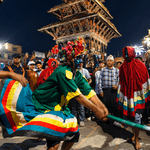
A unique traditional masked dance performance connected to Bhaktapur’s religious and cultural identity is Navadurga Gana Naach. Through masks, costumes, music, religious observances, and community involvement, the performers portray strong divine characters.
The larger customs of goddess worship and protection connect the Ashtamatrika and Navadurga. The group of Eight Mothers is referred to as Ashtamatrika, whilst the Nine Durgas are referred to as Navadurga. Nevertheless, the two words do not simply signify the same thing.
According to certain academic reports, the Bhaktapur Navadurga group includes Tripurasundari, a ninth goddess connected to the city’s center sacred place, in addition to the eight Mother Goddesses. This relationship demonstrates how regional goddess customs can coexist while maintaining their unique characteristics.
Traditional masks, music, ceremonial roles, performance techniques, and community duties are all preserved thanks to the Navadurga tradition. Additionally, it offers a living representation of the religious realm where the Mother Goddesses are held in high regard.
These customs are more than just theatrical productions for tourists in Bhaktapur. They are part of a larger framework of cultural obligations and devotion.
5. Worship and Religious Practices
The larger religious life of the Newar communities in the Kathmandu Valley includes the worship of the Ashtamatrika. Offerings, prayers, shrine visits, domestic observances, and ceremonies led by qualified ritual experts are some of the customs connected to the goddesses.
The relationships between neighbourhood communities, family customs, goddess shrines, and religious festivals in Bhaktapur are described in historical and ethnographic reports. While some ritual places and ceremonies are only open to authorised participants, other shrines are open to the public.
The following are typical topics connected to goddess worship:
- Protection: Seeking heavenly defence for people, families, communities, and the city.
- Praying for health, prosperity, and the continuation of communal life is a sign of prosperity.
- Maintaining connections between individuals, holy sites, and supernatural forces is known as spiritual equilibrium.
- Maintaining shrines and transferring traditional knowledge between generations are examples of community duty.
- Ritual continuity: Upholding religious customs associated with the conventional calendar.
The deity, shrine, occasion, and community all influence rituals. Tantric ceremonies and animal gifts at certain shrines are documented in some historical accounts, but these should not be portrayed as universal customs observed at all Ashtamatrika shrines or by all devotees.
Before taking pictures of ceremonies or holy objects, visitors should acquire permission, observe posted limits, and respect local customs.
6. Ashtamatrika and Major Festivals of Bhaktapur
The connection between Bhaktapur’s festival calendar and the Mother Goddesses illustrates how religious belief is represented through public space and group engagement.
Biska Jatra and Mohani, which are frequently connected to Dashain, are two significant festival times mentioned in narratives of Bhaktapur’s goddess traditions. Visits to goddess shrines and ceremonial practices associated with these celebrations are documented in historical accounts.
Biska Jatra

Depending on the calendar, around April
Major processions and customary religious activities are part of Bhaktapur’s well-known New Year’s celebration. According to historical records, festival celebrations and Mother Goddess shrines are related. Each shrine’s specific rituals should be confirmed locally.
Mohani
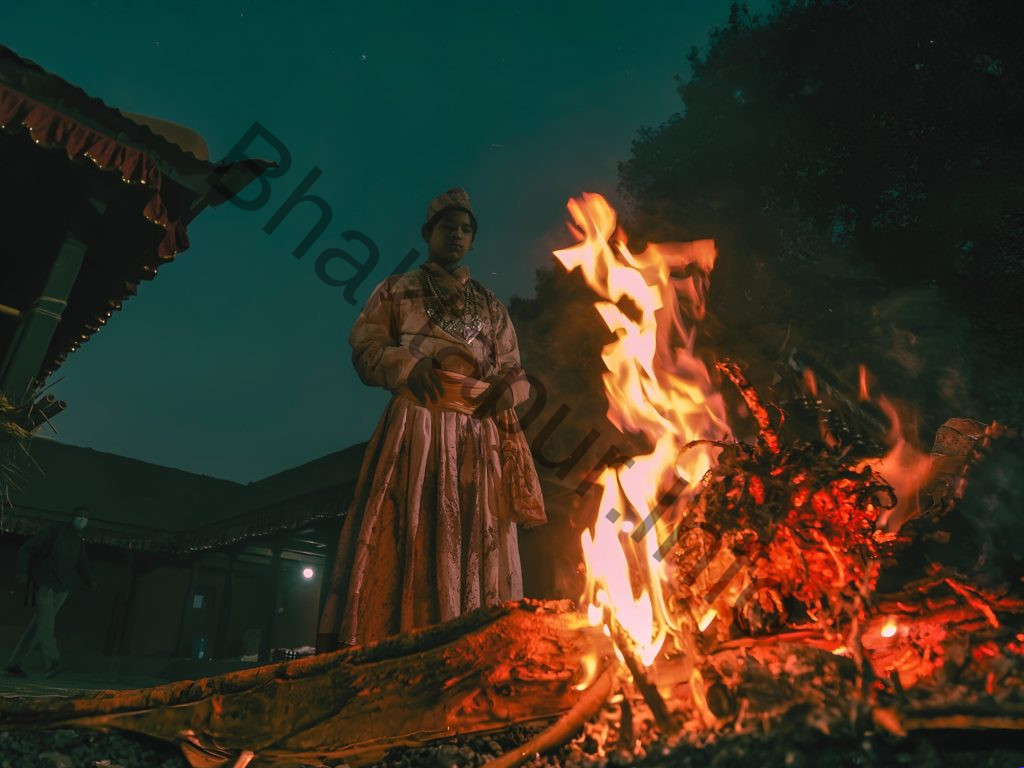
Usually in September or October, during the Dashain season
Mohani is a significant Newar festival time that is connected to home and communal rituals as well as goddess worship. Visits to Mother Goddess sanctuaries during this time are described in Bhaktapur accounts.
Gana Naach Navadurga

Customary ceremonial performance
The ongoing connection between cultural heritage, ritual performance, and goddess worship is symbolised by the masked-dance tradition. Visitors should verify up-to-date local information because local observances and performance schedules differ.
Not all festival activities are solely devoted to the Eight Mothers, even if these celebrations offer crucial contexts for comprehending the Ashtamatrika. Numerous interrelated deities, local customs, and ritual obligations are all part of Bhaktapur’s religious calendar.
7. Historical and Cultural Significance
Centuries of religious observance, traditional craftsmanship, community organization, and the preservation of old urban areas have all contributed to the development of Bhaktapur’s character.
This heritage is influenced by the Ashtamatrika tradition in a number of ways.
- Religious heritage: The goddesses highlight the significance of Tantric customs and Shakti worship in the Kathmandu Valley.
- Sacred urban planning: The connection between the city’s borders and goddess shrines shows how religious ideas have contributed to the traditional urban landscape’s significance.
- Community identity: A common feeling of cultural belonging is maintained through ties to families, neighbourhoods, shrines, and ceremonial obligations.
- Intangible heritage: Ritual knowledge, festivals, worship, and oral traditions all maintain cultural information that cannot be fully comprehended through architecture alone.
- Cultural continuity: Bhaktapur’s cultural identity is still influenced by old religious traditions, as seen by the Mother Goddesses’ ongoing acknowledgement.
As a result, the Ashtamatrika tradition plays a significant role in the narrative of Bhaktapur, both as a religious topic and as a means of comprehending the historical connections between holy beliefs, public areas, and communal life.
8. Visiting Ashtamatrika Shrines in Bhaktapur
The Ashtamatrika tradition provides a chance for tourists interested in religious heritage to discover the city’s sacred geography and delve beyond its most well-known monuments.
The following factors should be taken into account during a courteous visit:
- Before you travel, find out about the goddesses and their significance.
- For confirmed shrine locations and traditional names, ask locals or informed tour guides.
- Wear appropriate clothing and abide by any regulations posted in places of worship.
- Entering restricted shrine chambers or taking part in secret rites without authorisation is prohibited.
- Before shooting pictures of worshippers, priests, masks, or rites, get permission.
- Keep in mind that some hallowed locations are not tourist destinations but rather functioning religious sites.
According to historical records, visiting several of the Ashtamatrika temples, which are located around the old urban perimeter, is like travelling around the city. However, before organising a specialised shrine walk, routes, access, and local constraints should be investigated.
In conclusion
The Ashtamatrika of Bhaktapur are an amazing example of how holy location, Newar cultural legacy, Hindu religious belief, and community tradition come together. The Navadurga tradition and significant holidays like Biska Jatra and Mohani are part of the larger religious landscape that includes the Eight Mother Goddesses, who are linked to the defence of the old city.
The Ashtamatrika offer a crucial viewpoint on the spiritual connections that have moulded Bhaktapur for anybody looking to comprehend the city beyond its temples, palaces, and ancient squares. In order to protect Bhaktapur’s cultural legacy for future generations, it is crucial to preserve knowledge of these goddesses, their shrines, and their living customs.
Ashtamatrika Shrines of Bhaktapur
Explore the eight Mother Goddess shrines that form part of Bhaktapur’s sacred heritage.