


Search
Bhaktapur Dot Info
Complete travel information for the city of Bhaktapur
Bhaktapur: The Ancient City of Devotees
Here’s a detailed overview of Bhaktapur covering its history, culture, heritage, and present-day significance—perfect for your travel portal.
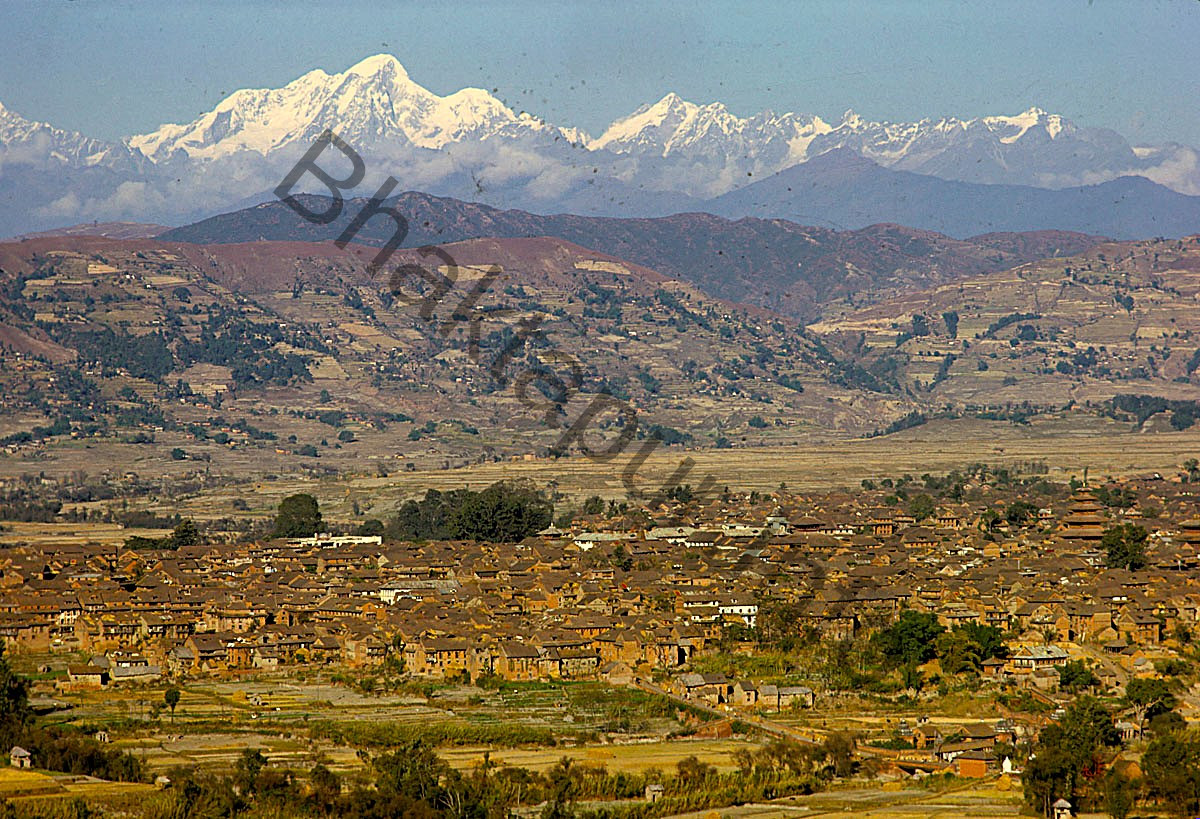
(A Complete Guide from History to Modern Times)
1. Introduction to Bhaktapur
-
- Also Known As: Khwapa (in native Newari language), Bhadgaon (during the Malla dynasty).
-
- Location: 13 km east of Kathmandu, in the Kathmandu Valley, Nepal.
-
- UNESCO Status: Listed as a World Heritage Site (1979) for its well-preserved medieval art & architecture.
-
- Significance: One of the three royal cities (alongside Kathmandu & Patan) of the Kathmandu Valley.
2. Historical Background
A. Early Origins (Pre-Malla Era)
-
- Lichchhavi Period (300–750 AD):
-
- Believed to be founded by King Ananda Deva (889 AD).
-
- Mentioned in ancient inscriptions as a thriving trade hub.
-
- Early Settlements:
-
- Originally a small village that grew into a fortified city.
B. The Golden Malla Dynasty (12th–18th Century)
-
- Under the Malla Kings (1200–1769 AD):
-
- King Yaksha Malla (1428–1482) divided the kingdom among his sons, making Bhaktapur independent.
-
- Peak of Art & Architecture: Temples, palaces, and courtyards built in traditional Newari style.
-
- Trade & Prosperity: Key stop on the Tibet-Nepal trade route (salt, wool, spices).
C. Shah Conquest & Decline (1769–Present)
-
- Prithvi Narayan Shah’s Invasion (1769):
-
- Bhaktapur was the last Malla kingdom to fall to the Gorkha Kingdom.
-
- Lost political power but retained cultural richness.
-
- 1934 Earthquake: Major destruction; many monuments were rebuilt.
-
- Modern Bhaktapur: Now a living museum of Newari culture.
3. Cultural & Religious Significance
A. Major Temples & Monuments
| Site | Key Features |
|---|---|
| Nyatapola Temple | Tallest 5-story pagoda (30m), built in 1702 AD. |
| Bhaktapur Durbar Square | Palace of 55 Windows, Golden Gate, Vatsala Temple. |
| Dattatreya Temple | Oldest temple (1427 AD), dedicated to Lord Vishnu,Lord Shiva and Lord Bramha. |
| Bhairavnath Temple | Fearsome deity, center of Biska: Jatra (Bisket Jatra) festival. |
B. Traditional Newari Culture
-
- Language: Newari (Nepal Bhasa) widely spoken.
-
- Cuisine: Famous for Juju Dhau (king curd), Wo:(Bara), Yomari.
-
- Art & Craft: Pottery Square, woodcarving, Thangka paintings.
C. Major Festivals
| Festival | Time | Highlights |
|---|---|---|
| Biska: Jatra (Bisket Jatra) | April (Nepali New Year) | Chariot procession, tug-of-war ritual. |
| Mohani (Bada Dashain) | Sept–Oct | Worshipping Navadurga, family gatherings. |
| Sa: Paru (Gai Jatra) | August | Cow procession, satire, and humor. |
4. Bhaktapur Today
A. Tourism & Economy
Entry Fees:
-
- Foreigners: NPR 2,000 (~$15)
-
- SAARC Nationals: NPR 500
- Chinese Nationals: NPR 500 (Passport Compulsory)
B. Urban Development
-
- Preservation Efforts: Strict rules against modern construction in heritage zones.
-
- Infrastructure: Cobbled streets, no vehicular traffic in core areas.
C. Challenges
-
- Over-Tourism: Strain on ancient structures.
-
- Earthquake Risks: Ongoing restoration post-2015 quake.
5. Why Visit Bhaktapur?
✔ Best-Preserved Medieval City in Nepal.
✔ UNESCO Heritage Sites with intricate wood & stone carvings.
✔ Authentic Newari Culture (food, festivals, lifestyle).
✔ Photographer’s Paradise (sunrise at Durbar Square, pottery-making scenes).
FAQs
Q: What is Bhaktapur famous for?
A: Ancient temples, Nyatapola, Juju Dhau, and Biska Jatra (Bisket Jatra).
Q: Is Bhaktapur worth visiting?
A: Absolutely! It’s less crowded than Kathmandu but richer in heritage.
Q: How much time to explore Bhaktapur?
A: At least 1 full day (2 days if you want in-depth cultural experiences).