

‘Bu’ means Field and ‘Dey’ means Country. Bunde means a country in the middle of a field or a town of arable land. In the Lichchhavi inscription of the time of King Mandev, this place is called ‘Bosing Gram’. In the Gopalraj Vanshavali, it is mentioned that on the day of Magh Krishna Trayodashi in 454 (Bikram Samvat 1390), Ane Karam Mahathabha and others set fire to ‘Bodya Desh’. In various historical inscriptions after the Malla period, it is mentioned that Bode is called ‘Dharmapur’. Thus, in various inscriptions and historical documents, Bode is referred to by names like ‘Bunde’, ‘Dhammapuri Desh’, ‘Dharmapur’ and Bode Desh.
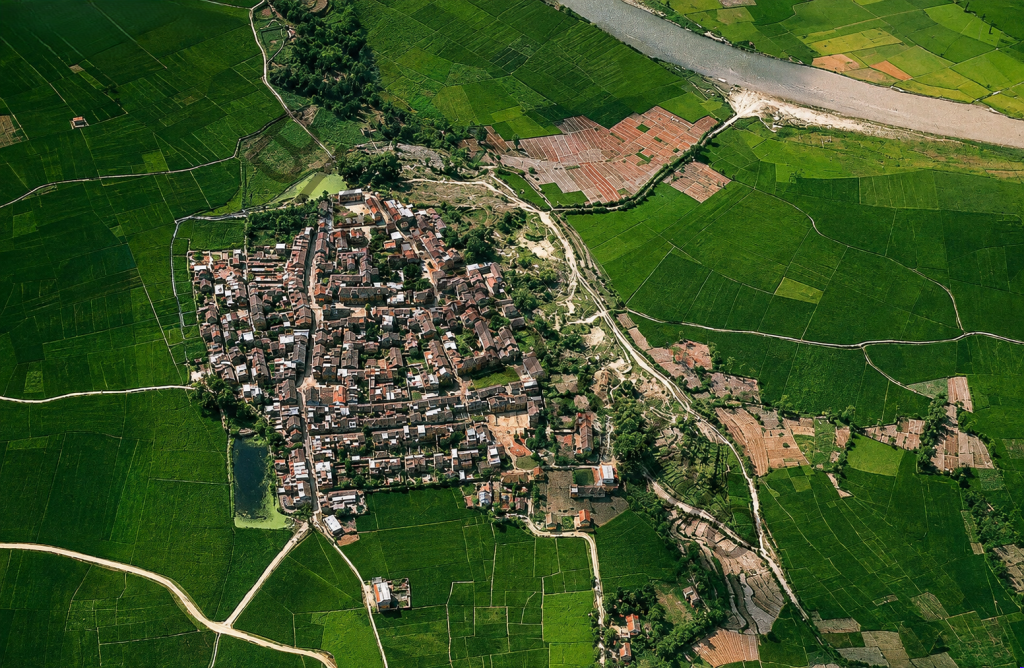
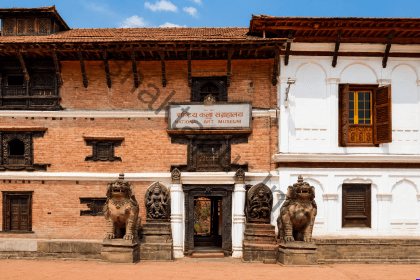
Bode is an agricultural land. Known as the old name ‘Buya De’, meaning the city of agricultural land, Bode is especially famous for ‘Tiganiko Chiura’. Chiura was prepared by pounding it with a wooden pestle in a wooden bowl in Bode. Vegetable cultivation was prevalent in the place and the surrounding area, which was known as the ‘vegetable garden’. Vegetable cultivation was the livelihood of the local farmers. In ‘Bode’, where places, squares etc. are listed, there are still old or traditional houses in the original style. ‘Houses with wooden ladders outside the house to go to the upper floor are also seen sometimes. Nachhu Chowk, Khansi Chowk, Laiku Chowk, Lachhi Chowk, Dhobu Tol etc. are old and famous toles and squares. Neelbarahi Devi‘s temple, Bode’s Layku i.e. Malla palace, Narayan Temple, Bhimsen’s Temple, Palan Dhwaka (gate), Thimilan Dhwaka (gate) are also original heritages here.
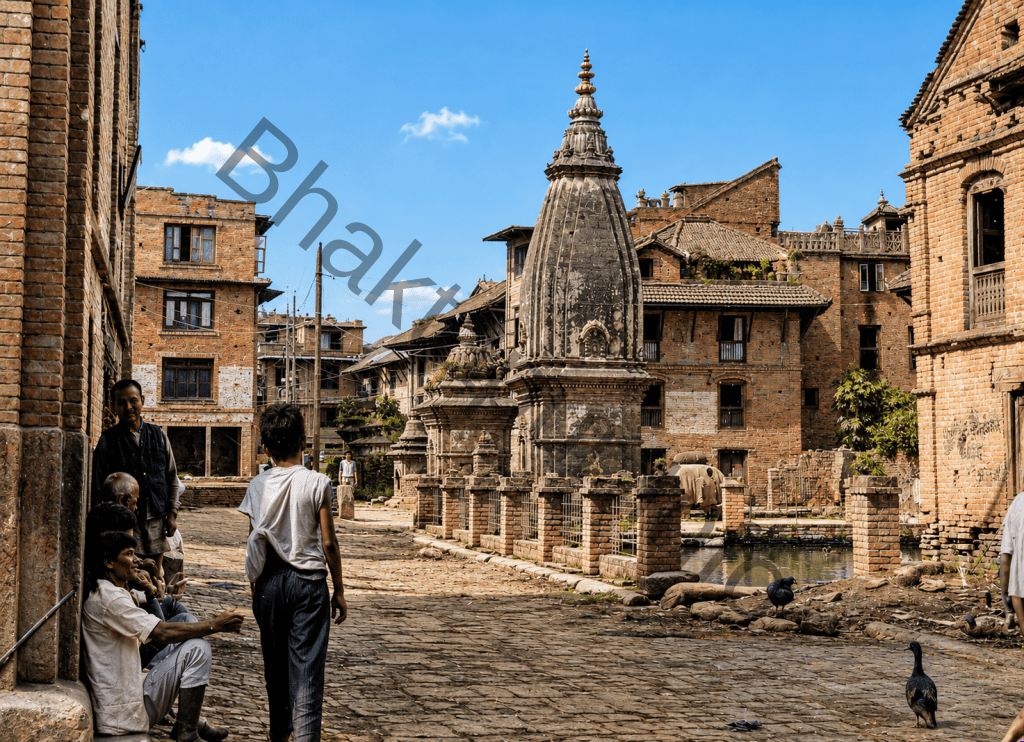
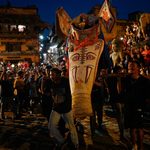
The custom of raising a Yo-sin (Lingo) in front of the Mahalaxmi Temple in Bode on the occasion of the Biska Jatra on the Lastday of the Chaitra month in this place. Mahalaxmi Temple is the main deity of Bode. The Mahalaxmi Temple in Bode is also one of the Four main Mahalaxmi temples in Khokana, Lagankhel, Lubhu and Bode. Similarly, the two-story Bishnughat Narayan Temple, Pancho Ganesh Temple, and Pancho Dhwaka, built in the pagoda style, are invaluable heritages here. Pancho Dhwaka is the main provincial gate to enter the city from Kathmandu.

Paleswa Pukhu (Lotus Pond), Gorakhnath Bode has five community and 15 temples. The old and established school of the old city is a water source, secondary school among the various features. Bhaktapur’s wells, stone streams, ponds, wells etc. Similarly, the historical Sumeru Chaitya, the statue of Dyo: Maa Chaitya in Khwapalan are known to represent the Buddhists.


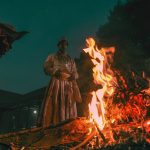
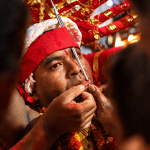
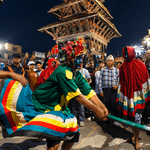
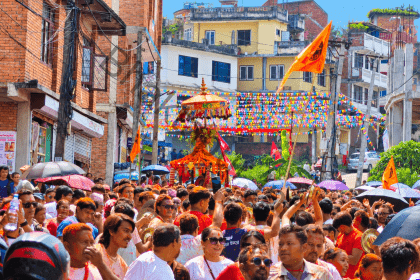
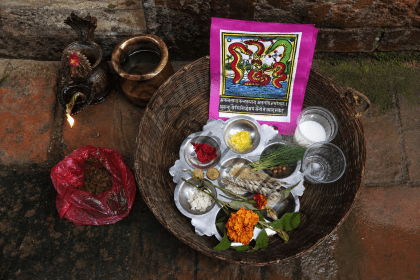
Like water resources, cultural resources are also its own original festivals or culture. The main festivals here are Biska Jatra, Gathamuga Chanhe (Ghantakarna), Tongue piercing (Mey Pwa Khanegu), Digu Yo Puja, Sithi Nakha, Mohini Nakha, Swanti Nakha, Sakimana Punhi, Yomari Punhi, Ghyo Chaku Salhu, Swasthani, Puja, Holi Punhi, Rath Puja (Dya: Kha: Puja) i.e. the tradition of filling the hole is being practiced (Galthani Jal Thanegu) . In Bode, there is a tradition of taking out a Sa:Paru(Gaijatra) only in the evening. The main festival of this region is the Jatra of the Neelbarahi Devi. The Neelbarahi dance features 19 deities including Bhairav, Barahi, Kumari, Singh, Dwarpal and Ganesh. This dance has informed the people about the cultural identity, religious beliefs and collective commitment of the Bode community. It is a living symbol. Another important and famous festival here is the Tongue Piercing (Me Pwa Khanegu) festival. This is another popular festival where tongue piercing is done directly among many spectators and devotees. Apart from this, many other small and big festivals are held from time to time.
There are four Barahis in Kathmandu Valley: Shweta Barahi, Nil Barahi, Dhum Barahi and Bajrabarahi.