


Bhaktapur Durbar Square – UNESCO World Heritage Site
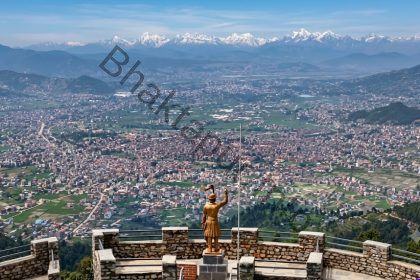
Bhaktapur Durbar Square is the historic and cultural heart of Bhaktapur, one of the three ancient royal cities of the Kathmandu Valley. Recognized as part of the Kathmandu Valley, the square was inscribed on the UNESCO World Heritage List in 1979 for its exceptional collection of medieval temples, palaces, courtyards, and traditional Newar architecture.
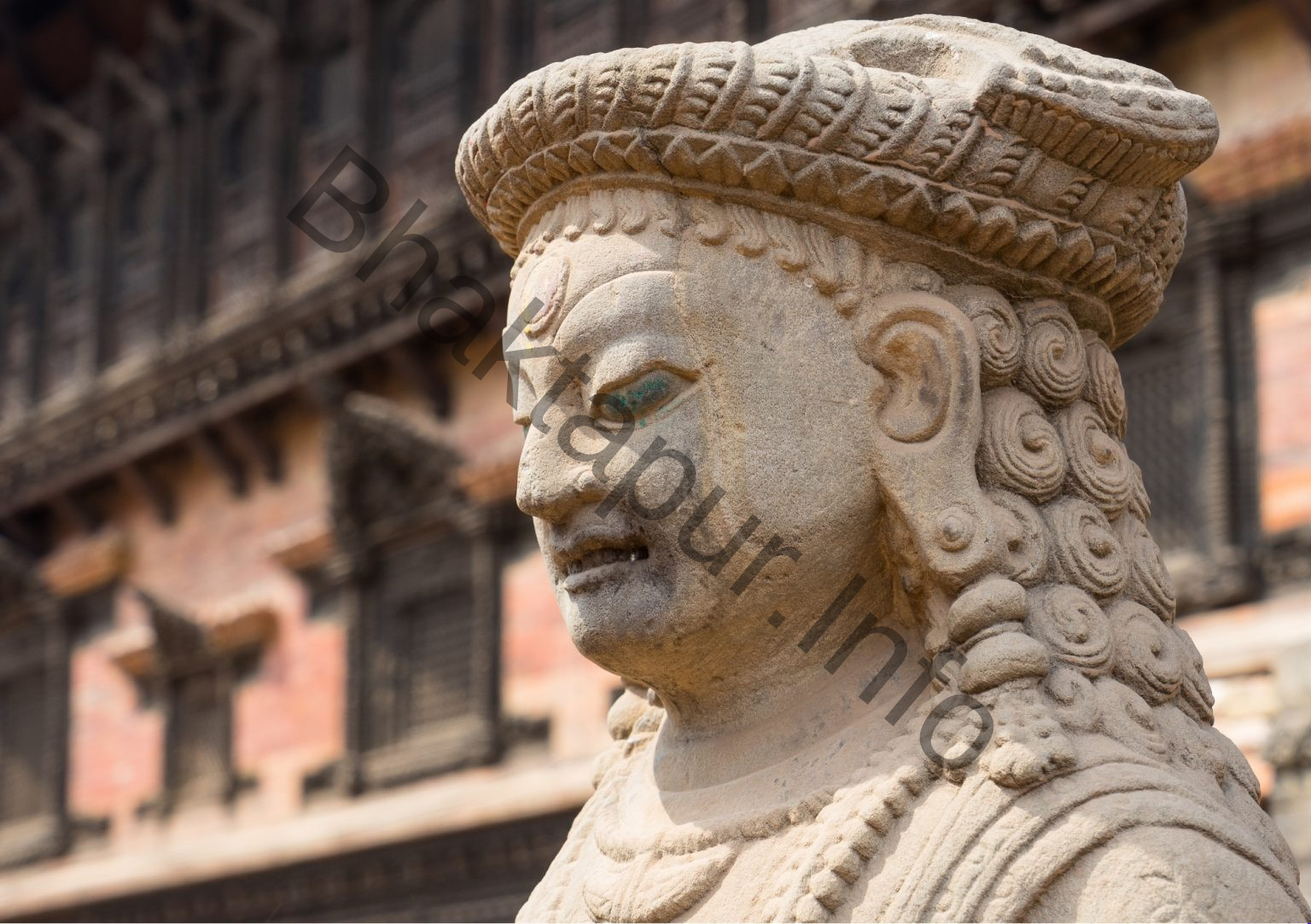
Situated about 13 km east of Kathmandu, Bhaktapur Durbar Square served as the royal palace complex of the Malla kings from the 12th to the 18th centuries. The square is an open-air museum that showcases the artistic and architectural brilliance of the Newar civilization, featuring intricately carved wooden windows, stone sculptures, gilded gates, and centuries-old shrines. Despite suffering damage during the 1934 and 2015 earthquakes, extensive restoration efforts have helped preserve its historic character while maintaining its authenticity.
Major Attractions
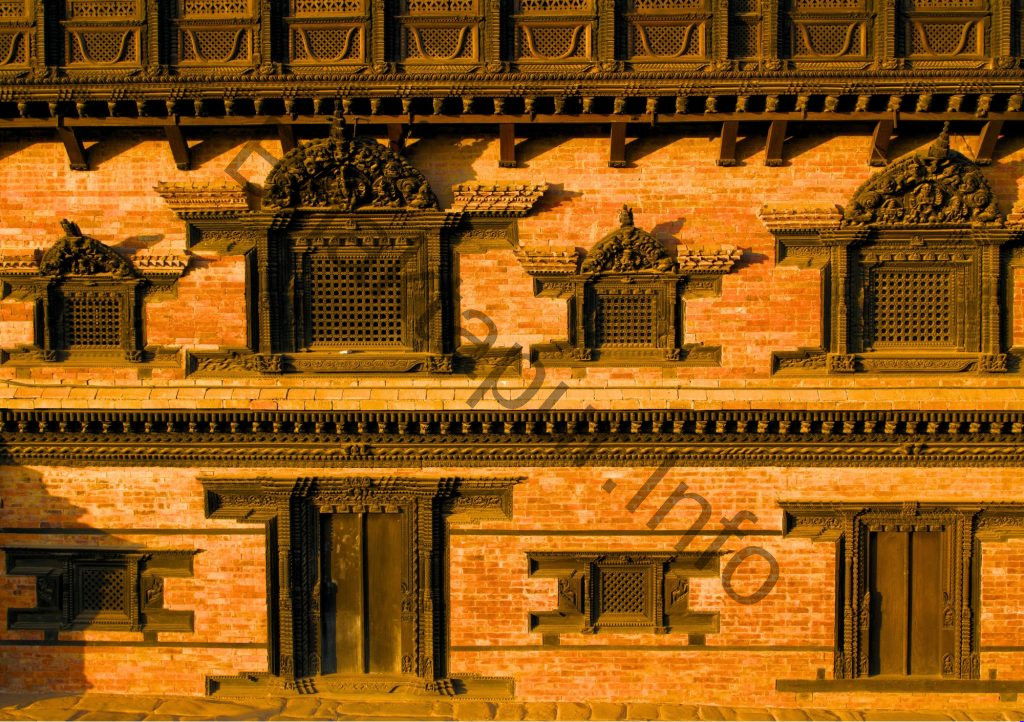
55 Window Palace
Constructed during the reign of King Yaksha Malla and later expanded by King Bhupatindra Malla, this magnificent royal palace is renowned for its fifty-five exquisitely carved wooden windows, representing the finest examples of Newar craftsmanship.
Golden Gate
Also known as the Sun Dhoka, the Golden Gate is a masterpiece of repoussé metalwork. Built by King Ranjit Malla, it serves as the entrance to the main palace courtyard and is considered one of Nepal’s most beautiful artistic achievements.

Taleju Temple
Dedicated to the royal goddess Taleju Bhawani, this temple was the spiritual center of the Malla kings and remains an important place of worship during major festivals.
Vatsala Temple
A remarkable stone temple famous for its elegant architecture and the historic bronze bell known as the “Bell of Barking Dogs.”
National Art Museum, Bhaktapur
Housed within the palace complex, the museum displays ancient paubha paintings, manuscripts, metal sculptures, and artifacts illustrating Nepal’s rich artistic heritage.
Cultural Significance
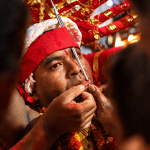
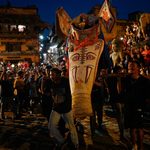
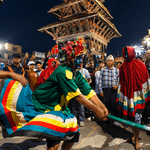
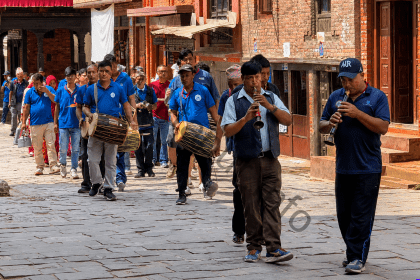
Bhaktapur Durbar Square is not merely a historical monument but a living heritage site where traditional Newar culture continues to flourish. The square hosts numerous festivals and rituals throughout the year, including:
- Bisket Jatra
- Dashain and Mohani celebrations
- Indra Jatra observances
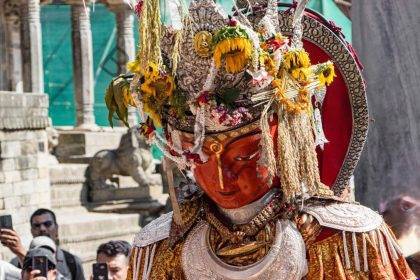
- Traditional masked dances and religious processions
Local artisans continue the centuries-old traditions of wood carving, pottery, metalwork, and weaving, preserving the city’s unique cultural identity.

UNESCO Heritage Value
UNESCO recognizes Bhaktapur Durbar Square for its outstanding universal value as a remarkable example of medieval urban planning and Newar architecture. The square represents the harmonious blend of art, religion, and daily life that characterized the Kathmandu Valley’s historic kingdoms.
Visitor Experience
Visitors to Bhaktapur Durbar Square can:
- Explore ancient royal courtyards and temples.
- Admire intricate Newar wood and metal craftsmanship.
- Visit museums and traditional artisan workshops.
- Experience authentic Newari cuisine and festivals.
- Walk through a living medieval city that has preserved its cultural traditions for centuries.
Tourism Introduction
Bhaktapur Durbar Square, a UNESCO World Heritage Site, stands as the cultural and architectural jewel of Nepal’s ancient Newar civilization. With its majestic palaces, intricately carved temples, sacred courtyards, and vibrant living traditions, the square offers an unforgettable journey through over 700 years of history. More than a monument, it is a living heritage city where art, faith, and culture continue to thrive, making it one of Nepal’s most treasured destinations.
Tagline:
“Bhaktapur Durbar Square – Where Nepal’s Royal Heritage Lives Through Time.”