

The traditional Newar ritual dance and masked performance known as Nil Barahi Dyo Pyakhan (निलबाराही द्यो प्याखँ) is connected to Bode , Madhyapur Thimi, Bhaktapur. It is carried out as a part of religious and cultural customs honoring Goddess Nil Barahi, a potent representation of the Barahi deity. Is the on of tantric dance festivals of the Kathmandu Valley are experiencing a resurgence more than 500 years after they were first performed. One of the rich intangible legacies of the Kathmandu Valley that is making a resurgence is the mystical ancient dance known as Nil Barahi Dyo Pyakhan, which dates back to the Lichhavi and Malla eras.
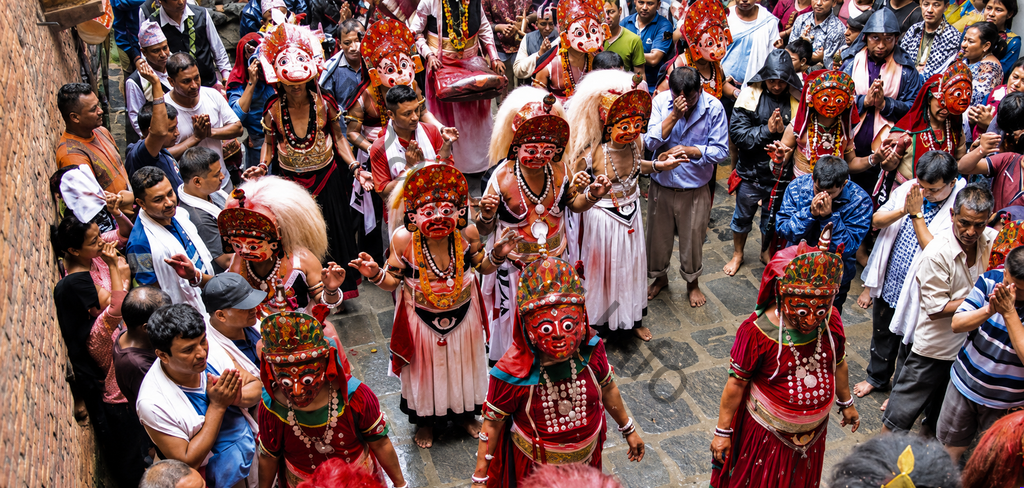
“Dyo Pyakhan” literally means “divine or deity-related dramatic performance.” The actors portray stories and holy symbolism related to the deity using traditional costumes, masks, music, and ritualistic gestures.
Religious and cultural significance
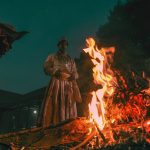
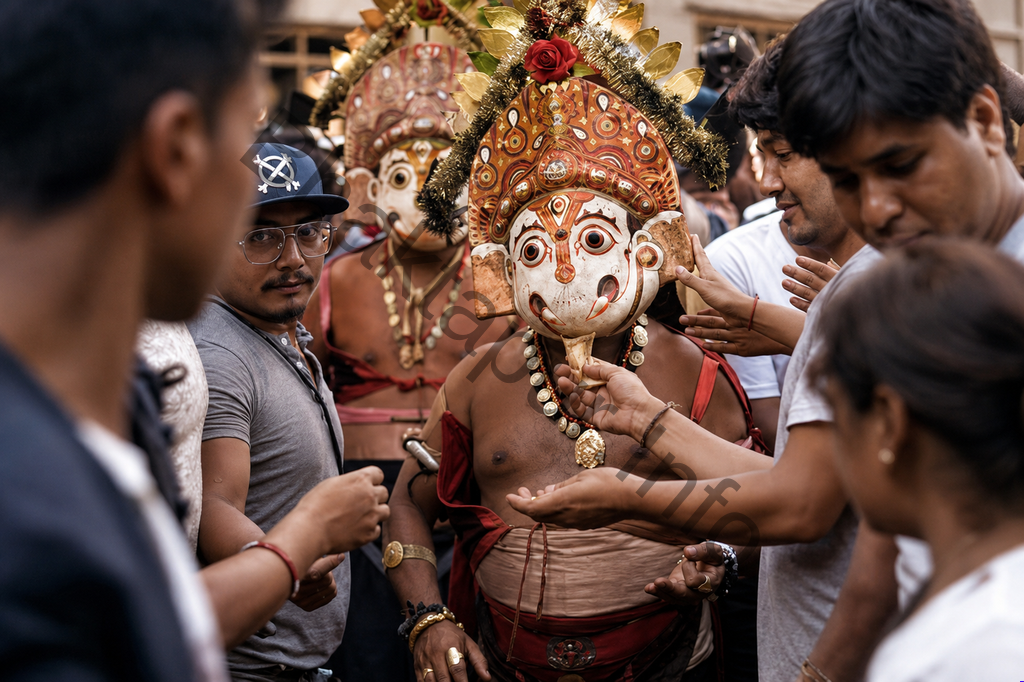
The tantric dance, which features several deities including Bhairav, Barahi, Kumari, Simha, Dwarpal, and Ganesh, has been performed by the people of Bode, a charming Newa settlement north of Thimi. The act is more than just amusement; Nil Barahi is revered as a guardian deity. It is a component of the ritual, religious, and cultural heritage of the community. Together, the dancers, musicians, costumes, masks, and motions produce a hallowed performance space.
The custom also highlights the unique features of the Kathmandu Valley’s Newar cultural legacy, which is deeply entwined with festivals, dances, music, temples, and communal rituals.

According to legend, the Nil Barahi herself, in her deer form, kidnaped a farmer from Bodey with the last name Dhon (धों) and dragged him into the neighboring deep forest of Tigini. He learned a tantric dance from the deity, which the villagers have since performed annually.
According to others, the rite originated 1,000 years ago during the Lichhavi era. However, the first documented performance of the dances dates back to 1514 (Nepal Sambat 633), when King Subarna Malla ordered the Navadurga Naach to be performed in the drought-stricken Bhaktapur. Additionally, he organized Nil Barahi Naach in Bode and Layaku Bhaila in Madhyapur-Thimi. Later in 1718, King Bhupatindra Malla presented “Chhati Kathi,” the Royal Scepter, and land for the ceremony. The date is still written on the complete scepter.
Some believe that a dance honors a nonviolent victory in a historical conflict, featuring three performances: Mahakali Naach depicts war preparation, Navadurga Naach the conflict, and Nil Barahi the celebration. Celebrated annually from mid-August, the event includes Pyakha Syenegu(प्याखं स्यनेगु) , a method for teaching the dance to Bode residents symbolizing deities. The patrons Bhairav, Barahi, and Ganesh must be present, and performers don masks to access celestial power, dancing for four nights and three days while refraining from eating, speaking, or normal actions, communicating solely through hand gestures.
Each deity in the ritual is supported by a helper, Jwokalu (ज्वकालु) , who assists with their needs. Performers can only take brief rests, and if a dancer dies, a family member must substitute. The animated dance procession features 19 masked dancers and involves around 100 residents, including deities, gurus, and musicians. Various musical instruments are played, and one individual must carry a continuously lit ‘Sukunda’ lamp throughout the festival, as its extinguishment was historically believed to make deities ill. The parade begins upon the arrival of all members at Dyo Chhen, and masks are brought to Naskuti (नासःकुथि), where Jwokalu carries them, accompanied by a musical tune during the mask-wearing process.
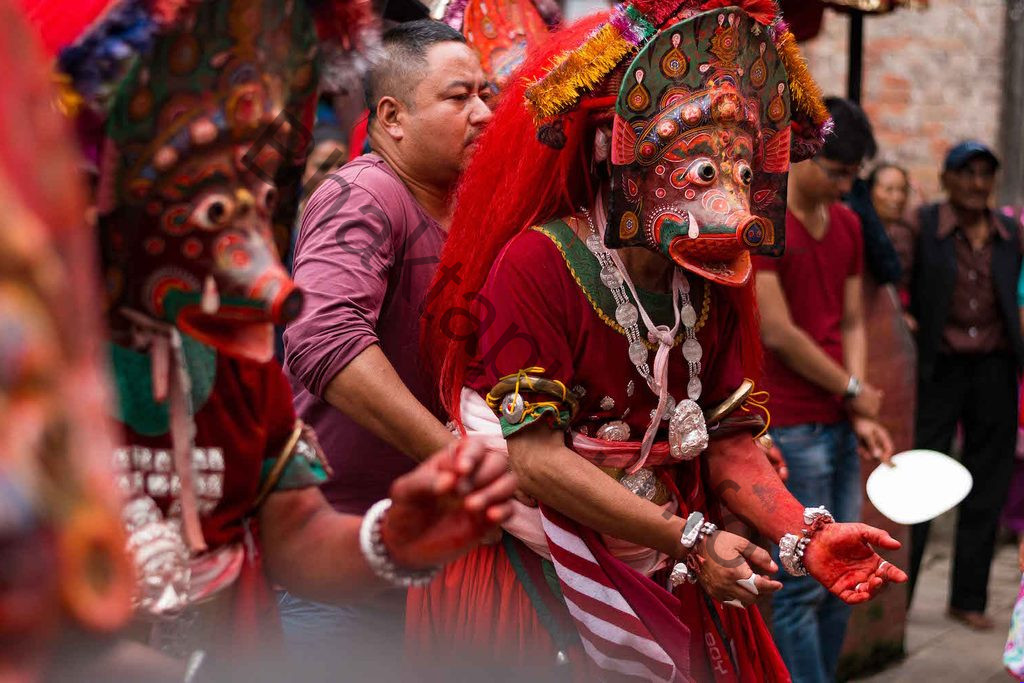
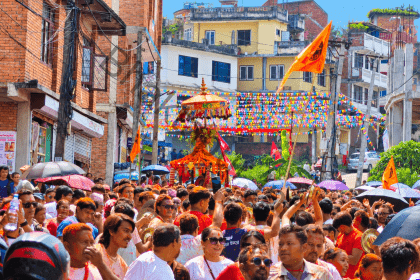
The procession is structured with items like a flag (ध्वाय्),, sword and shield (सँय्),, Chilakh (flames), sceptre (rajdanda), , and various deities, leading to a musical team. Starting from the Dyo Chhen, it proceeds through locations such as Lachhi (लाछी), Lyaku (लाय्कु), Bishnughat (विष्णुघाट), Bhangu (भाँगु), Khansi (खाँसी) accompanied by traditional instruments including two-headed drums, cymbals, and flutes. Music varies with four dance styles, and offerings are made to the deities by locals during the ritual. A variety of rhythmic music accompanies four distinct dance styles: Nhyakhin Taal (न्ह्याखीं),, Dhaa: Taal(द्यःताल) , Lisa: Nyosa: (लिसाः न्ह्यसाः ताल), and Simha ti nwoigu Taal (सिंद्य तिं न्वइगु ताल) As part of the ritual, offerings are made to deities by locals and their relatives.
The inhabitants of Bode exhibit enthusiasm and passion that are vital for preserving an ancient tradition, enabling the ritual to continue for over five centuries. For audiences, it offers a unique cultural experience, while for the 19 dancers—embodying deities like Bhairav and Ganesh—it represents a lifelong commitment. This group has maintained the ritual since 1958, with most members now in their 70s and 80s, until new dancers are designated through the Dyo Gan Hilegu ritual((द्यःगं हिलिगु;).

Bode and Nil Barahi
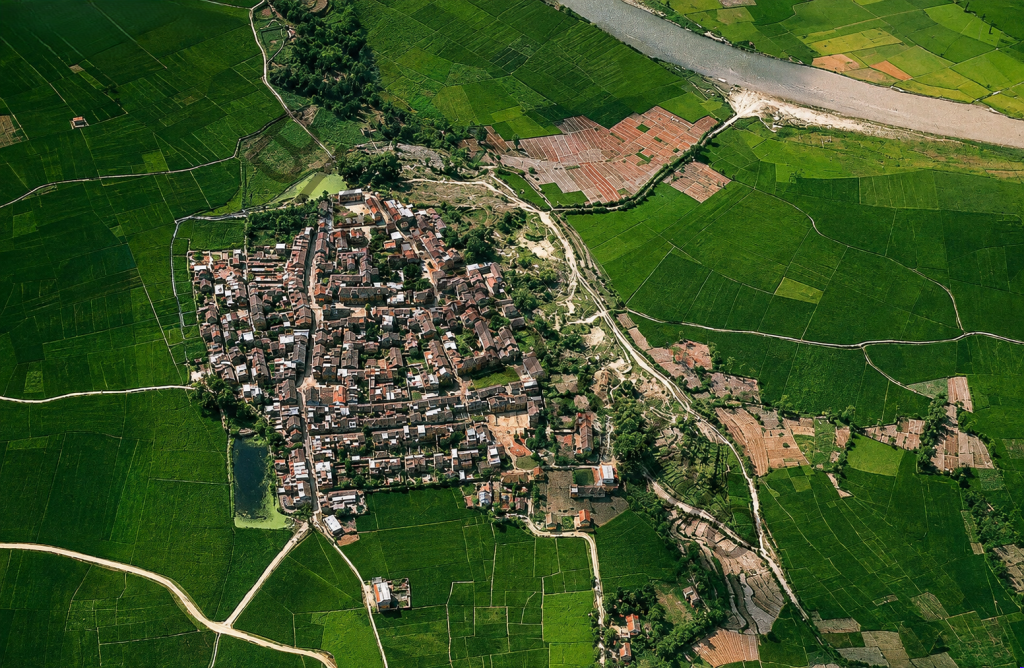
One of Madhyapur Thimi Municipality‘s significant traditional towns, Bode is well-known for its Newar rituals and celebrations. Bode is especially well-known for the magnificent Biska Jatra celebrations, which include the well-known Jibro Chedne Jatra(Tongue-piercing Jatra), in addition to Nil Barahi-related customs.
Nil Barahi Dyo Pyakhan provides a chance for tourists interested in live cultural traditions to learn about the coexistence of religion, performing arts, community identity, and old Newar customs in the Kathmandu Valley.