

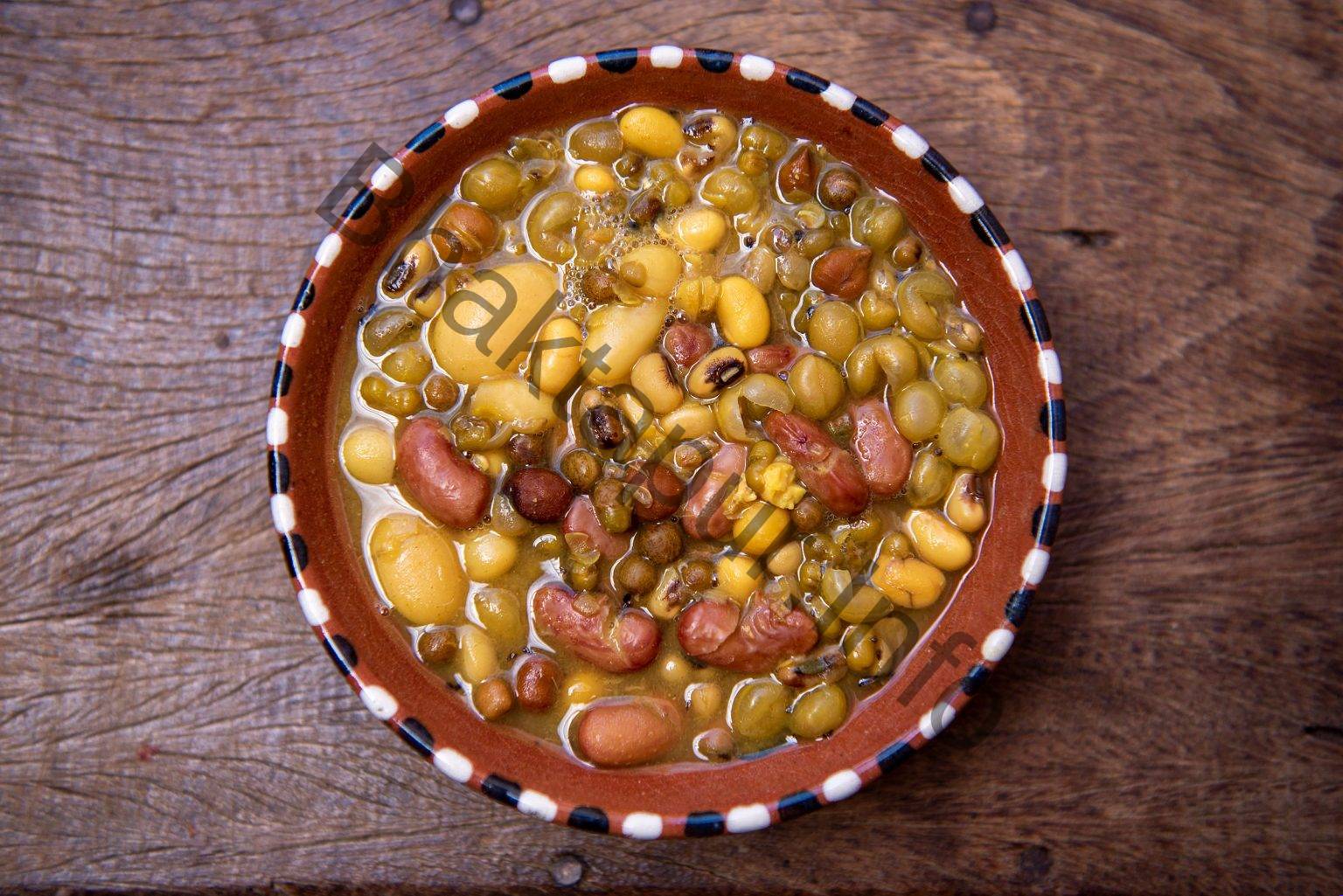

Kwati (क्वाँति / क्वाटी) – The Traditional Newari Nine-Bean Soup
One of the most recognizable items in Newari cuisine is Kwati (क्वाँति / क्वाटी). Traditionally consumed during Gunhi Punhi (Janai Purnima), which takes place in the month of Shrawan (July–August), this filling and nourishing soup is made from Nine(9) different types of sprouted beans. “Kwa” means “Hot” and “Ti” means “Soup” in Nepal Bhasa, hence the name literally translates to “Hot Soup.”
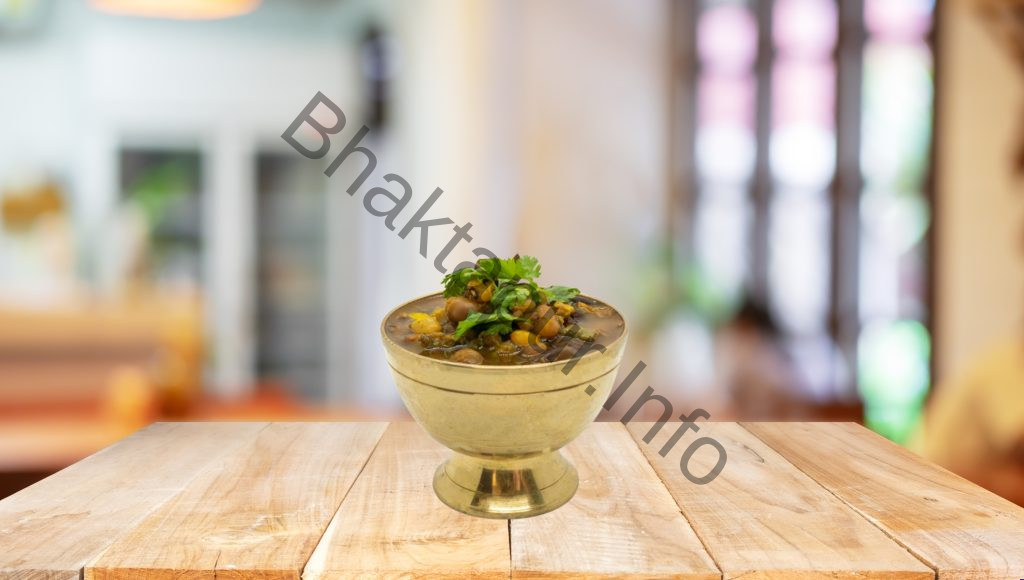
One of Bhaktapur’s and the Kathmandu Valley‘s most beloved traditional Newari meals is kwati (क्वाँति / क्वाटी) An essential component of the Gunhi Punhi (Janai Purnima) celebration, this healthful soup is made from Mine different types of sprouting beans and fragrant spices. Kwati is a sign of health, prosperity, and community that Newar families in Bhaktapur have prepared and shared for generations. Kwati, one of Nepal‘s most beloved traditional meals, is rich in protein, fiber, and vital nutrients and represents the culinary expertise and cultural legacy of the Newar people.
The Traditional Nine Beans
A classic Kwati typically includes:
- Black gram (Maas)
- Green gram (Mung)
- Chickpeas (Chana)
- Soybeans (Bhatmas)
- Field beans
- Garden peas
- Field peas
- Cowpeas (Bodi)
- Rice beans (Simi or Rajma may also be used depending on local tradition)

Cultural Importance
Kwati is much more than just a meal to the Newar community. After the beans sprout for a few days, families prepare it for Gunhi Punhi (Janai Purnima). It is thought to aid in the body’s recuperation during the monsoon season, when immunity may be reduced, and it represents health, strength, prosperity, and rejuvenation.

Health Advantages
- Packed with plant-based protein.
- Rich in dietary fiber.
- A great source of minerals and vitamins.
- Sprouted beans increase the digestion and absorption of nutrients.
- Traditionally thought to improve digestion and fortify the immune system.
Conventional Cooking
The beans are soaked overnight and allowed to sprout for 2–4 days. They are then slow-cooked with:
- Mustard oil or ghee
- Onion
- Garlic
- Ginger
- Tomato
- Turmeric
- Cumin
- Coriander
- Jwano (carom seeds)
- Jimbu (Himalayan herb, optional)
- Timur (Sichuan pepper, optional)
- Salt and fresh coriander

Kwati is usually served hot with steamed rice or enjoyed as a nourishing soup.