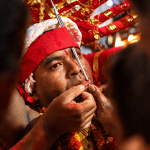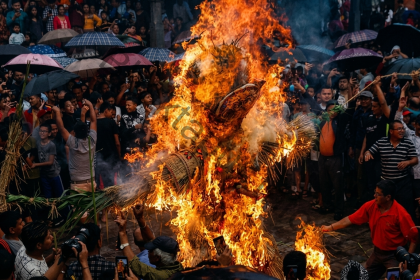


Gunhi Punhi (गुन्ही पुन्हि), also called Janai Purnima or Kwati Punhi, is one of the most significant Newar celebrations in Bhaktapur. It is a day of spiritual cleansing, thankfulness, and the start of the Saparu (Gai Jatra) festival season. It is observed on the full moon of the month of Gunla (Shrawan). One of the most beloved cultural holidays observed in Bhaktapur, Nepal, masterfully combines Buddhist and Hindu customs while showcasing the rich history of the Newar community. It is a day honoring the preservation of centuries-old traditions, family harmony, spiritual purification, and thankfulness for the natural world.
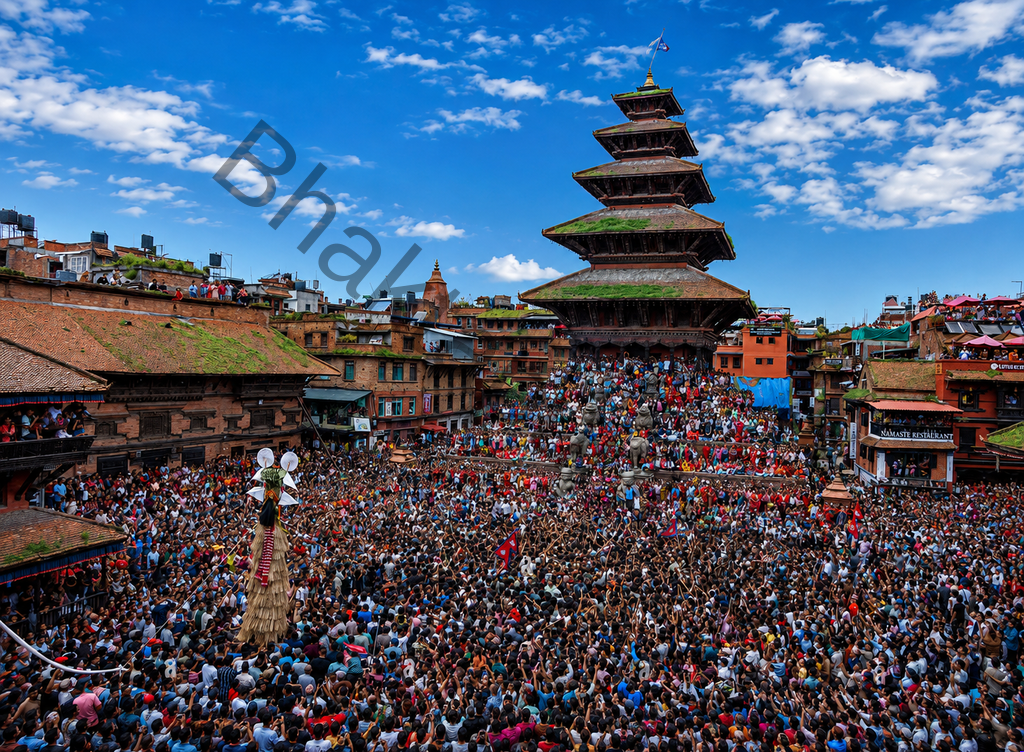
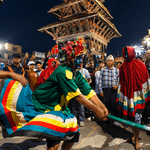
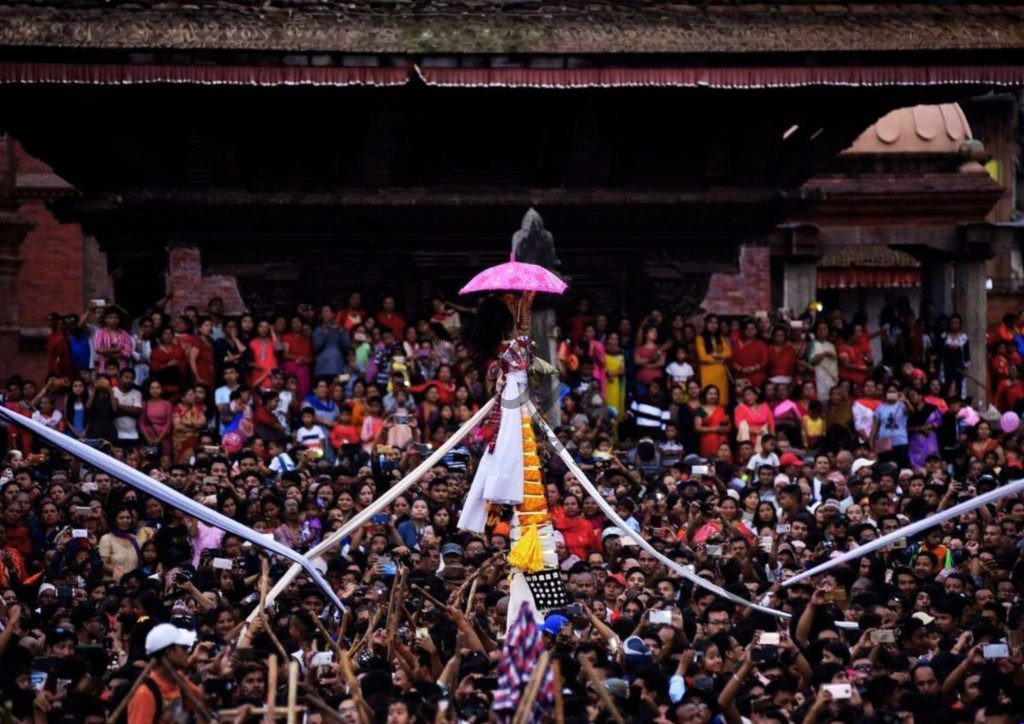
Additionally, Gunhi Punhi ushers in one of Bhaktapur’s liveliest celebration seasons. The city celebrates Saparu (Gai Jatra) the next day, which is well-known for its vibrant Tahamacha processions, Ghintang Ghisi dances, masked performances, and traditional music that bring life and memories to the historic streets. Together, these celebrations draw tourists from all around Nepal and the world while preserving Bhaktapur‘s distinct cultural identity.
Principal customs in Bhaktapur
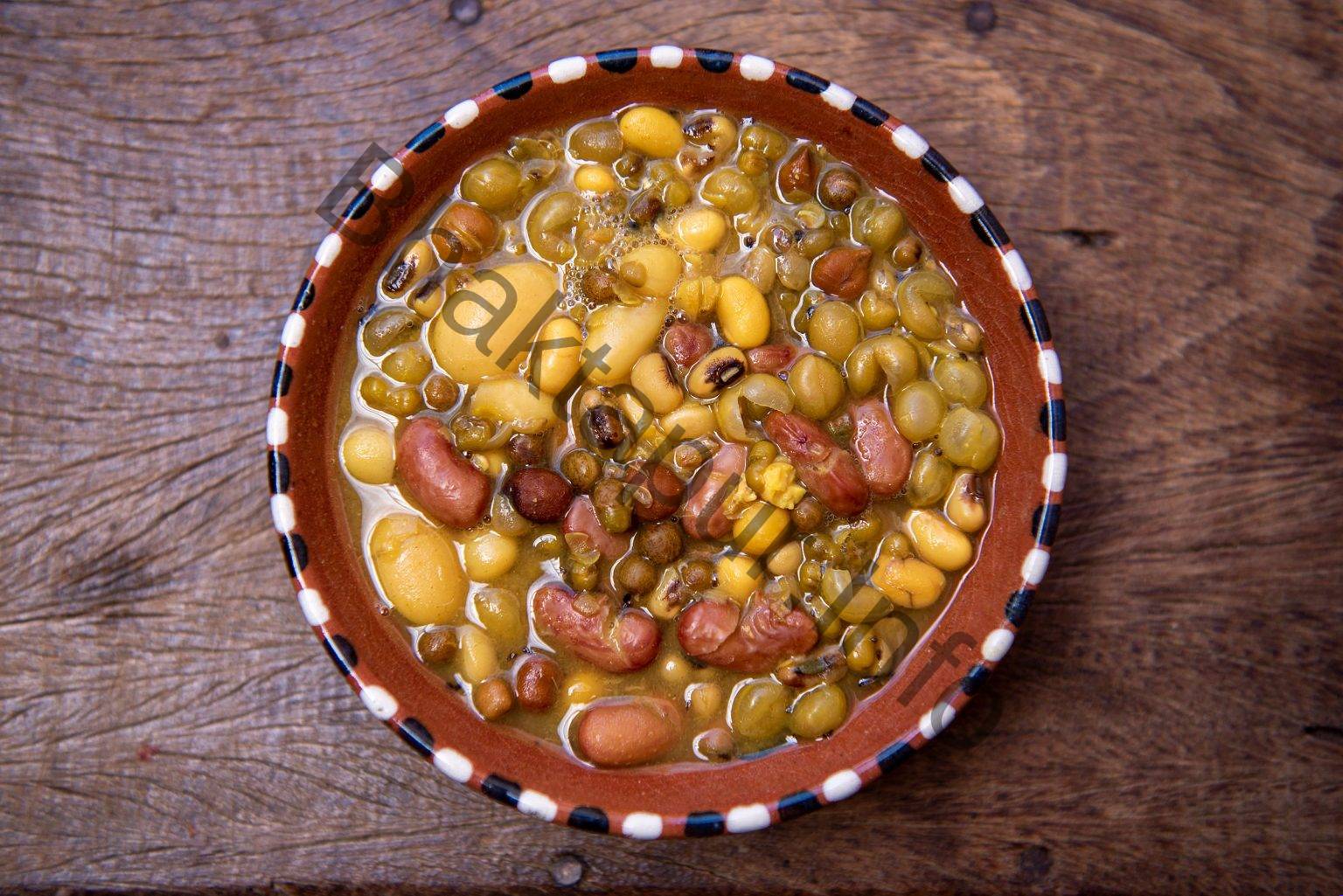
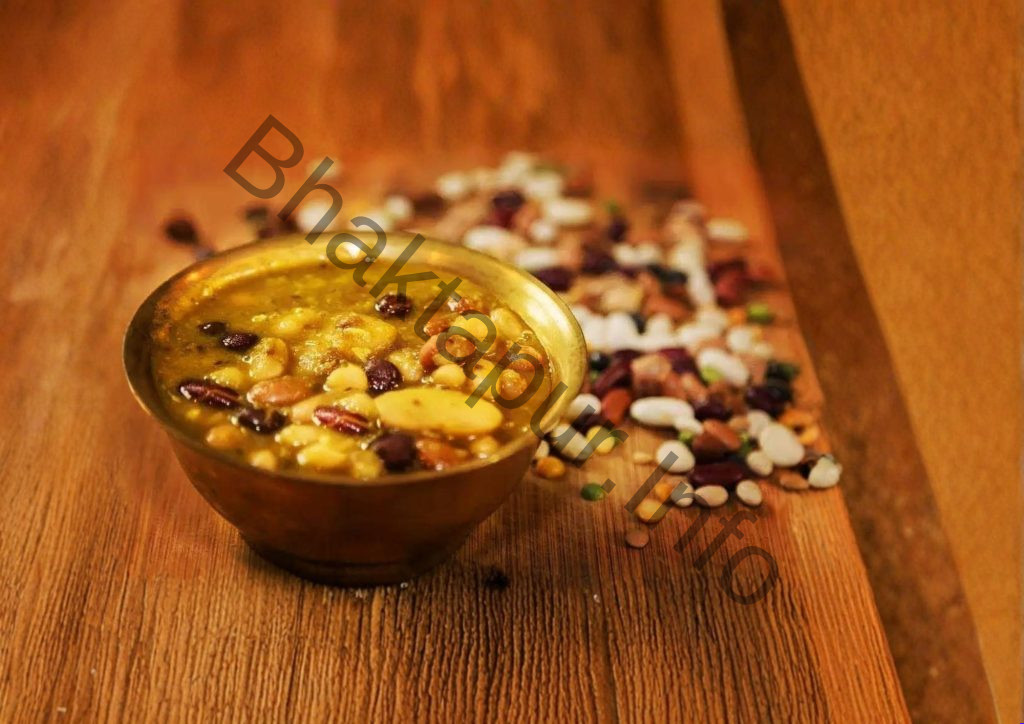
Eating Kwati: Kwati, a healthy soup made from nine different kinds of sprouted beans, is prepared in every Newar home. It has therapeutic properties and is thought to fortify the body throughout the monsoon season.The preparation of Kwati, a healthful soup made from nine types of sprouted beans, is a highlight of Gunhi Punhi. This wholesome food is prepared in every Newar home and is thought to support health and fortify the body throughout the rainy season. Sharing Kwati with neighbors, family, and friends exemplifies the virtues of hospitality, unity, and camaraderie.
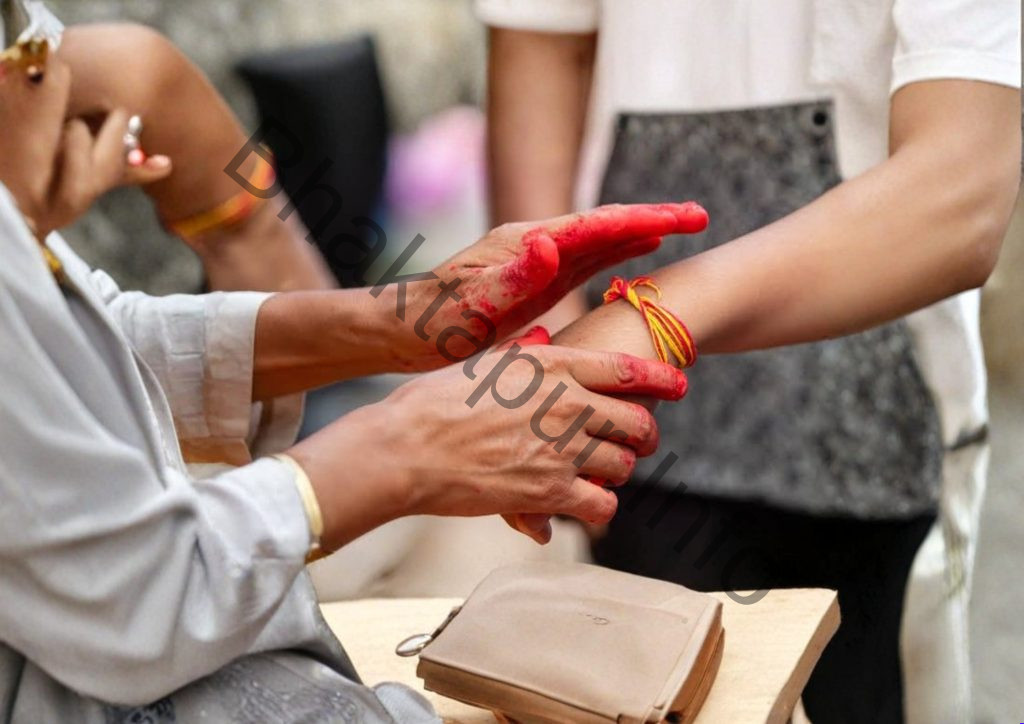
Janai and Doro: The mood shifts to one of joy and dedication throughout Bhaktapur Devotees go to temples and Bahals early in the morning to worship, receive blessings, and wrap their wrists in the holy protection thread known as Doro. Buddhist devotees engage in rites related to the holy month of Gunla, while Hindu males renew their sacred Janai, signifying spiritual rejuvenation and the continuing of religious responsibilities. One of the distinctive features of Bhaktapur’s cultural identity is the harmonious coexistence of Buddhism and Hinduism. While priests bind a protective Sacred thread (Doro) around the wrists of devotees for blessings and protection, Hindu males renew their Sacred thread (Janai).

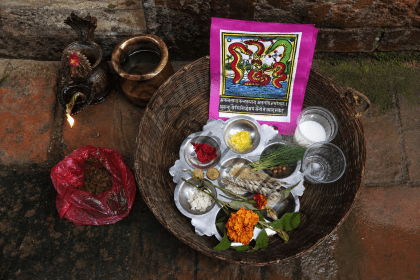
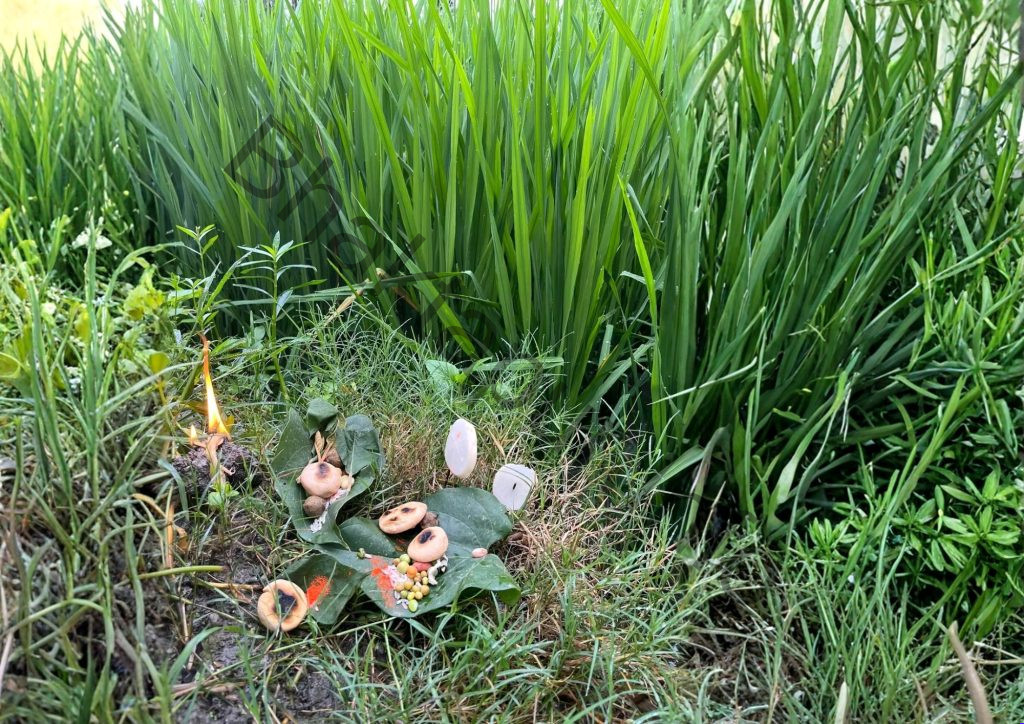
Byancha Yata Ja Nakegu (Offering to Frogs): Byancha Yata Ja Nakegu(“ब्यन्-जा नकेगु”), the custom of feeding frogs in paddy fields, is another distinctive custom observed in Bhaktapur. The arrival of life-giving monsoon rains is symbolized by frogs, which farmers thank for protecting rice harvests by naturally suppressing insects. The Newar people have a great regard for sustainable agriculture and the natural world, which is reflected in this ancient tradition .rice harvest and help reduce insects.
Gunla Parva: During the holy Buddhist month of Gunla, people visit monasteries and perform the customary Gunla Baja on Gunhi Punhi.
Relationship with Saparu (Gai Jatra)
In Bhaktapur, Sa:Paru (Gai Jatra) comes just after Gunhi Punhi. The city comes alive with Tahamacha, Ghintang Ghisi dances, masked performances, and traditional music as families who have lost loved ones in the last year take part in the cow parade.
Cultural importance
The balance of Buddhist and Hindu traditions in Bhaktapur is reflected in Gunhi Punhi.

- Kwati provides nourishment and health.
- spiritual blessings and protection.
- Thanks to agriculture and the natural world.
- the start of Saparu and Krishna Janmashtami, two of Bhaktapur‘s most vibrant festival seasons.
Quick Facts
- Festival Name: Gunhi Punhi (गुन्ही पुन्हि)
- Also Known As: Kwati Punhi, Janai Purnima
- Celebrated By: Primarily the Newar community, along with Hindus and Buddhists across Nepal
- Time of Celebration: Full moon day of Gunla (Shrawan)
- Traditional Food: Kwati (nine-bean sprouted soup)
- Major Rituals: Janai renewal, Doro tying, temple visits, Byancha Yata Ja Nakegu (offering food to frogs)
- Followed By: Saparu (Gai Jatra), one of Bhaktapur’s largest annual festivals