


The Newars are the Indigenous historical inhabitants of the Kathmandu Valley in Nepal, including the cities of Bhaktapur, Kathmandu, and Lalitpur. They are known for their distinctive language, rich cultural traditions, festivals, architecture, The historical indigenous population of Nepal’s Kathmandu Valley, which includes the cities of Bhaktapur, Kathmandu, and Lalitpur, is known as the Newars. Their unique language, rich cultural customs, festivals, architecture, craftsmanship, food, and religious heritage are all well-known.
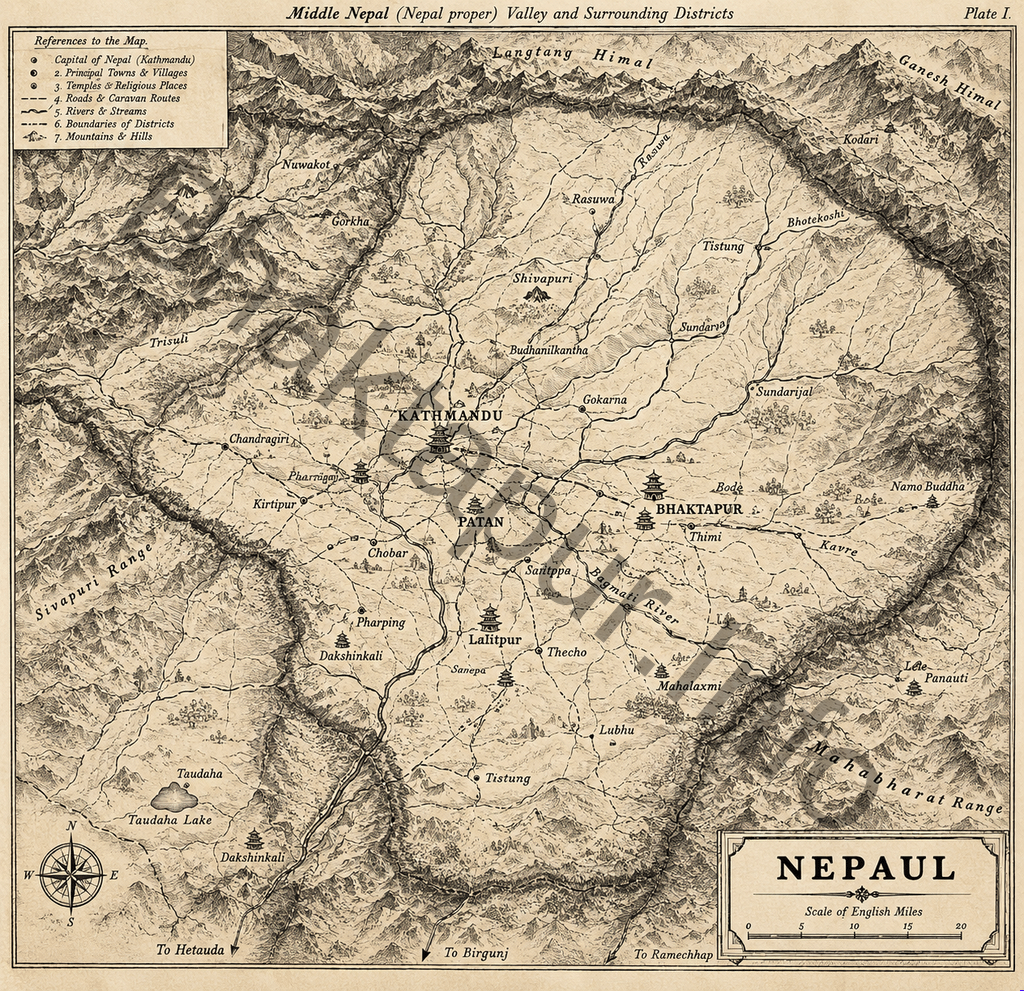
One of Nepal‘s most unique cultural traditions, Newar culture has been influenced over centuries by the urban civilization and history of the Kathmandu Valley.
In what location do Newars reside?
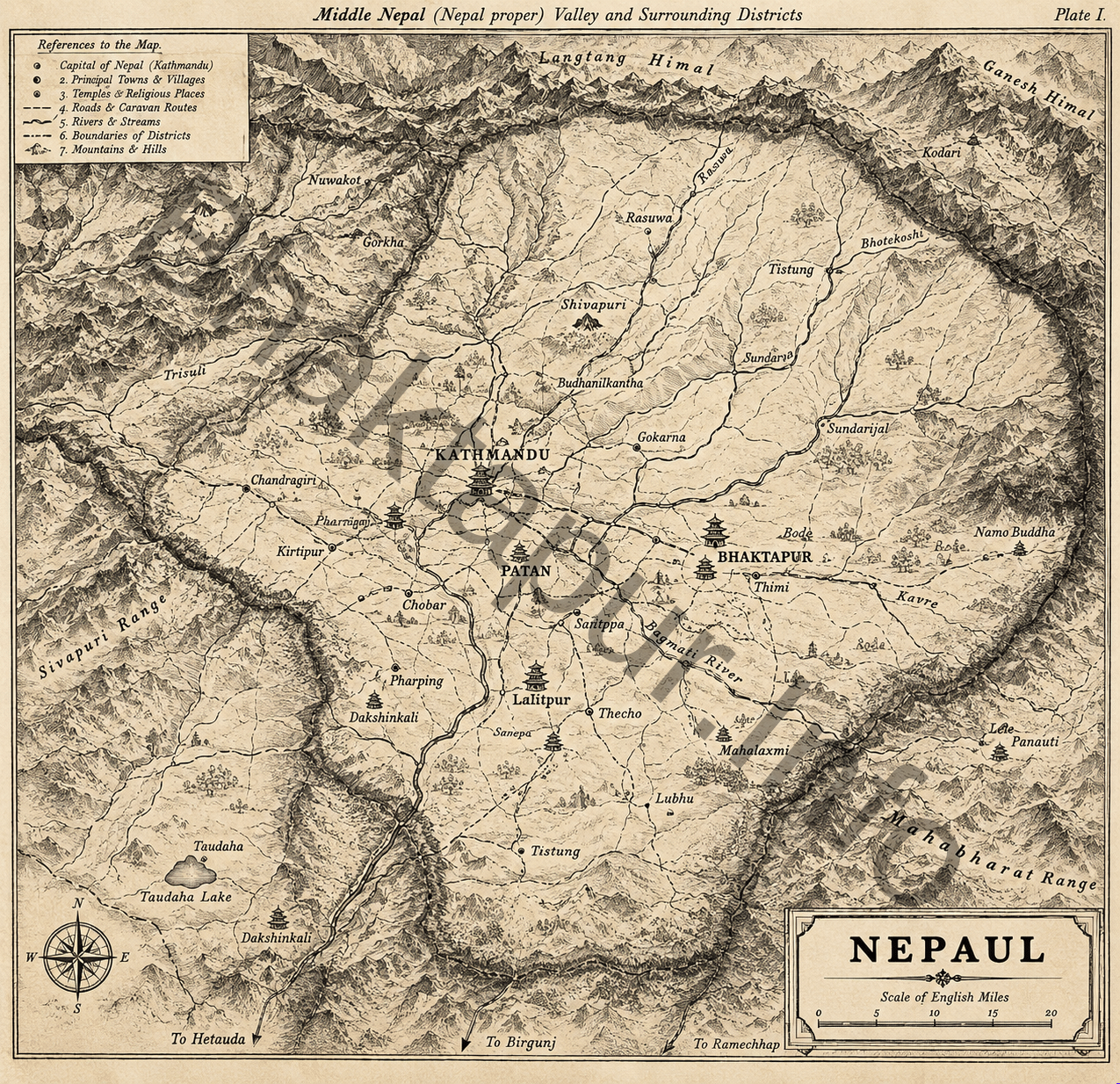
In the Kathmandu Valley, Newars have a long history that includes:
- Bhaktapur, also known as Khwopa (Khwapa), is renowned for its traditional Newar architecture, ceramics, festivals, and handicrafts.
- The historical capital of Yen, Kathmandu, is home to Buddhist monasteries, temples, and old towns.
- Lalitpur, also known as Yala, is well-known for its traditional craftsmanship, Buddhist art, and metallurgy.
Additionally, there are Newar communities in Nepal and other nations.

What distinguishes Newar culture?
- The language of the Newari people
Nepal Bhasa, a language of the Sino-Tibetan language family, is traditionally spoken by Newars. It has a long literary history and is currently written in a number of scripts, such as Ranjana and Devanagari.
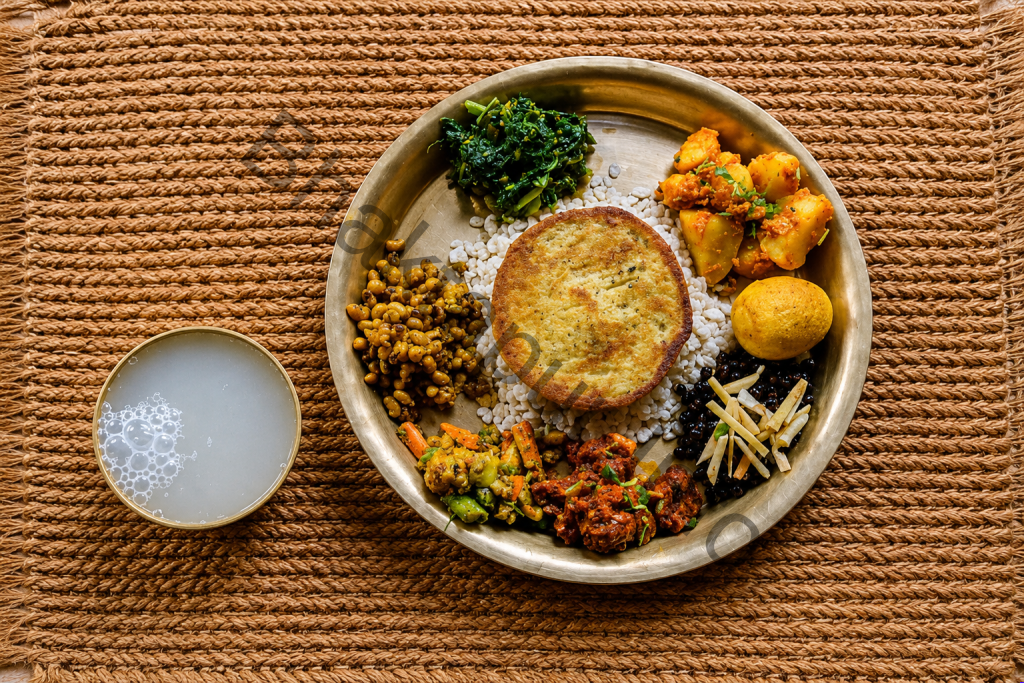
- Cuisine and food
Samay Baji, Bara, Wo, Chatamari, Yomari, Kwati, and numerous other traditional foods offered at festivals and family get-togethers are examples of Newari cuisine.
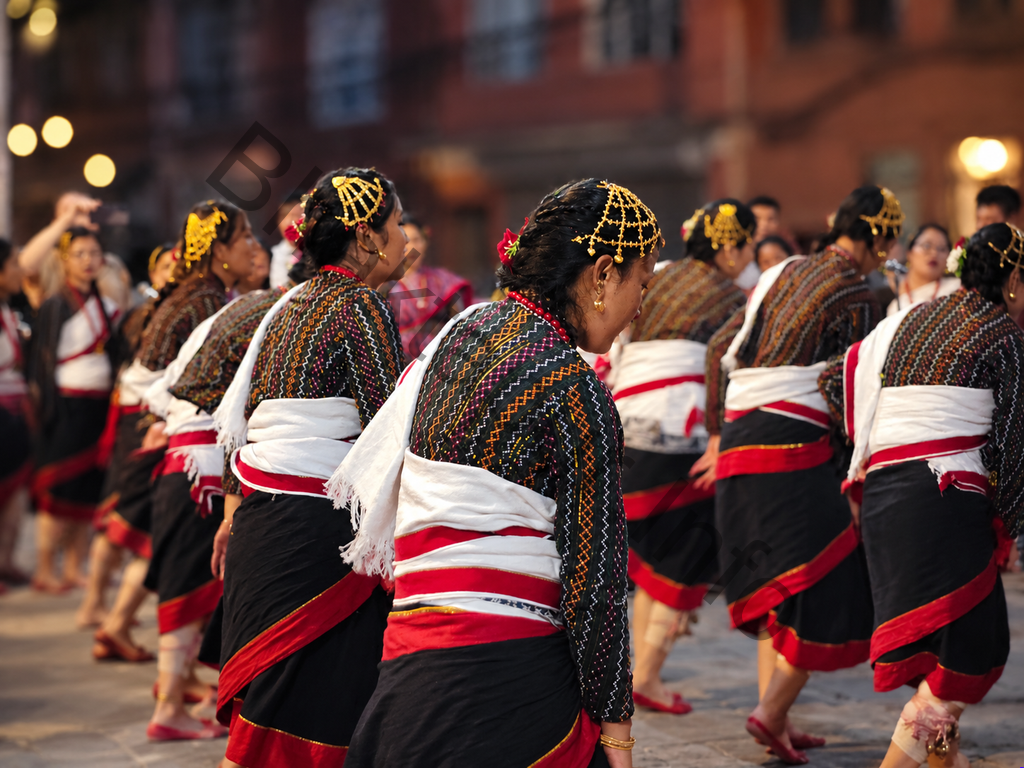
- Celebrations and customs
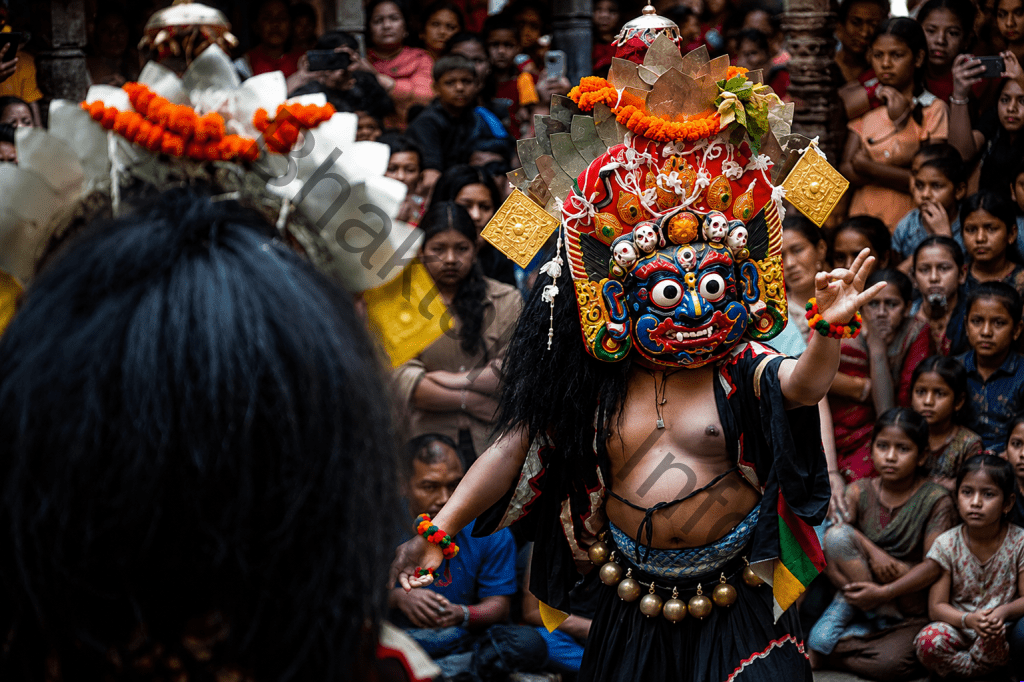
Biska Jatra, Gai Jatra, Mohani (Dashain), Gunla, Indra Jatra, and many local processions, mask dances, and community ceremonies are significant customs.
- Craftsmanship and architecture
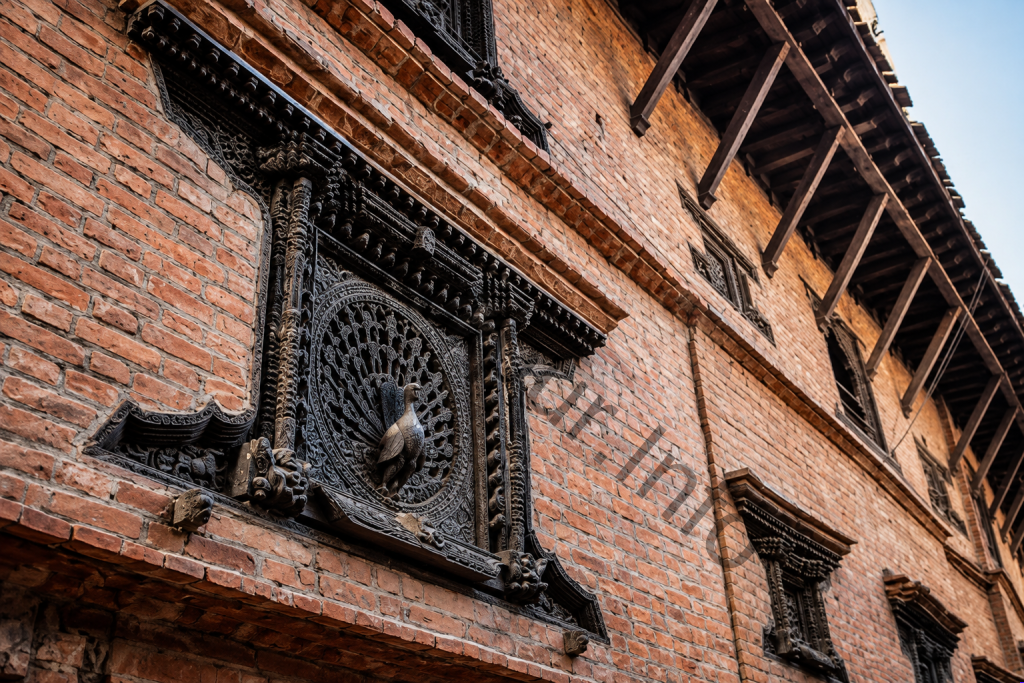
Intricate woodcarving, metalworking, stone sculpture, paubha painting, brick architecture, and the building of traditional temples and courtyards are among the many talents of Newar artisans.
Do Newars practice Buddhism or Hinduism?
Buddhists and Hindus coexist in Newar communities, and religious customs frequently share rituals, festivals, sacred sites, and artistic forms.

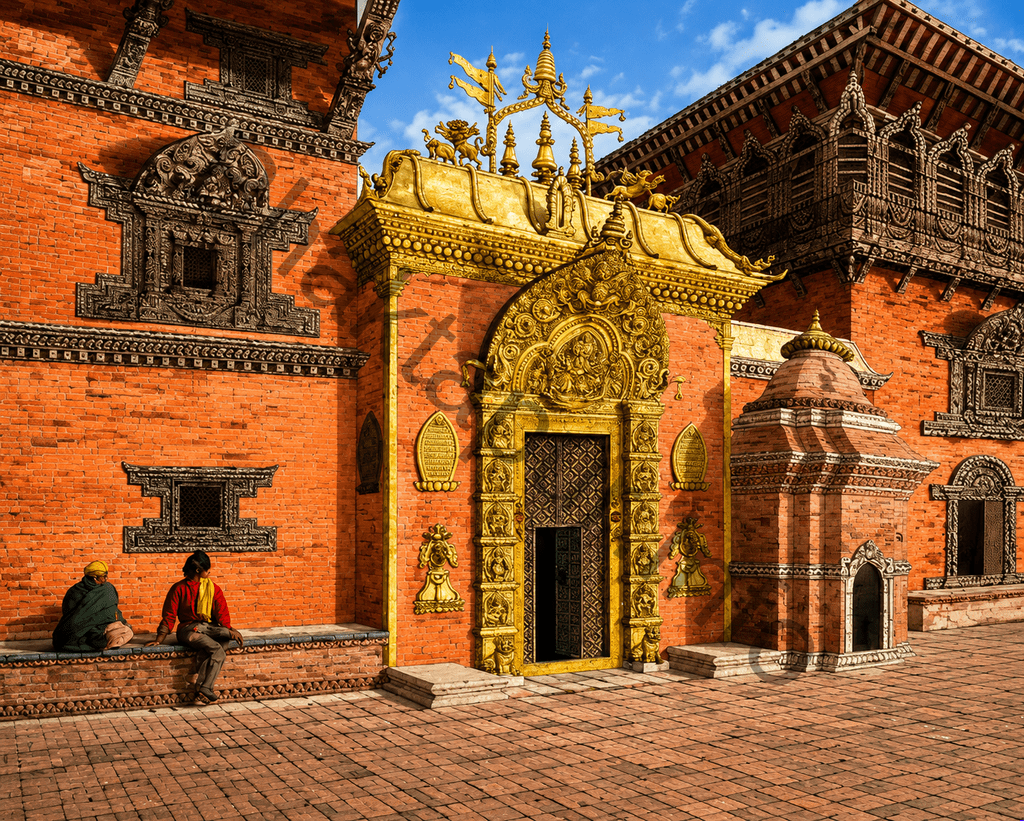
- Taleju, Bhairab, Ganesh, and Navadurga are among the gods worshiped by Newar Hindus.
- Vajrayana and other Buddhist practices, such as worship at stupas and bahals (monastic courtyards), are preserved among Newar Buddhists.
- Certain celebrations and holy locations unite the Buddhist and Hindu cultures.

Therefore, Newar identity is not just religious but also cultural, linguistic, historical, and community.
Who are the Bhaktapur Newars?
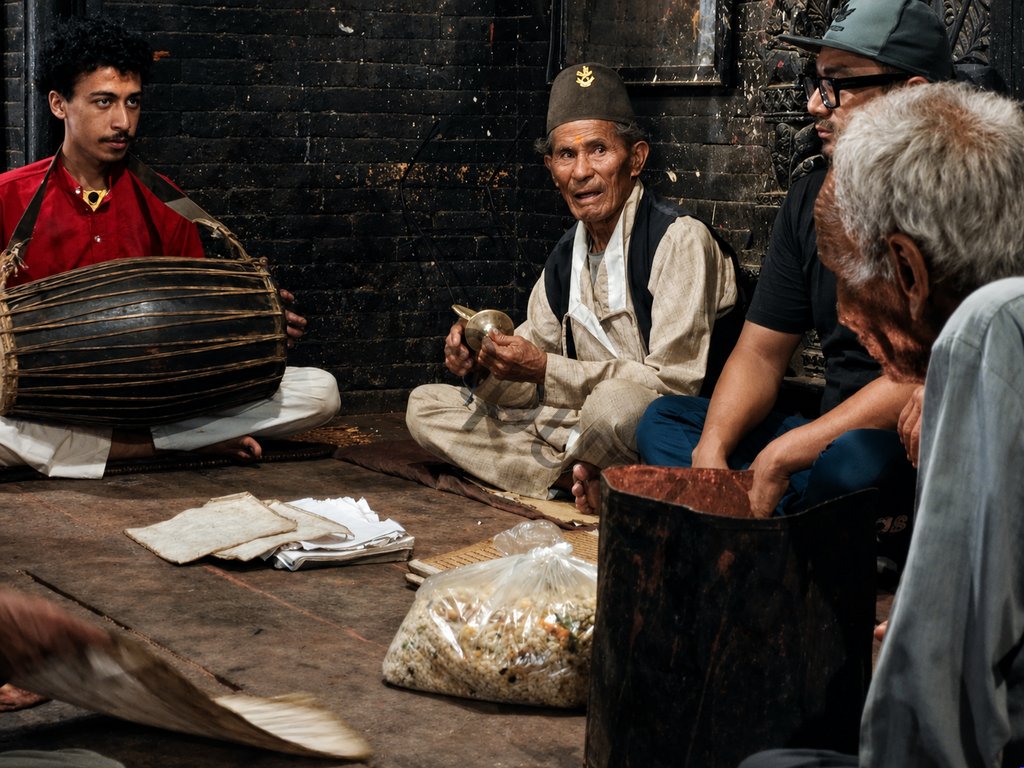
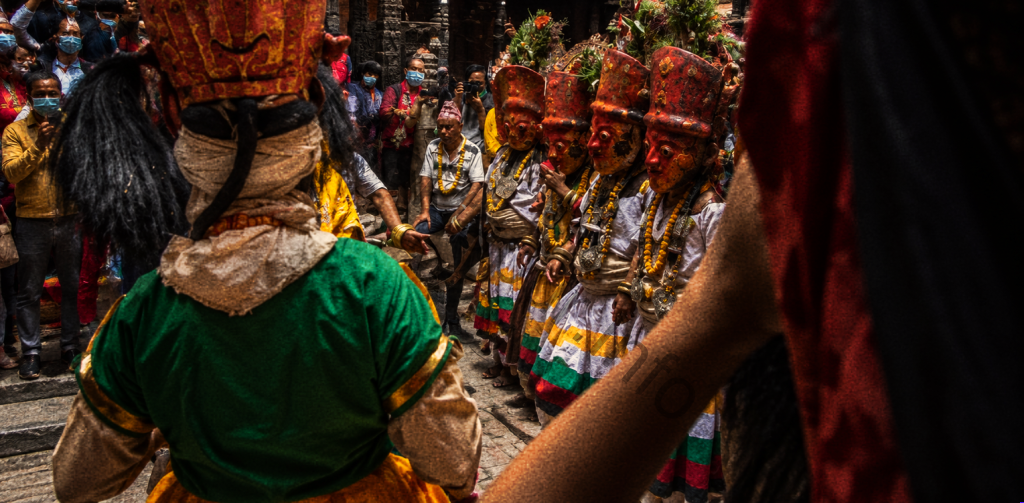
Newar culture is still evident in daily life in Bhaktapur. People are still connected to their heritage through historic neighborhoods, traditional Guthi institutions, festivals, temples, music, dance, pottery, and family traditions.
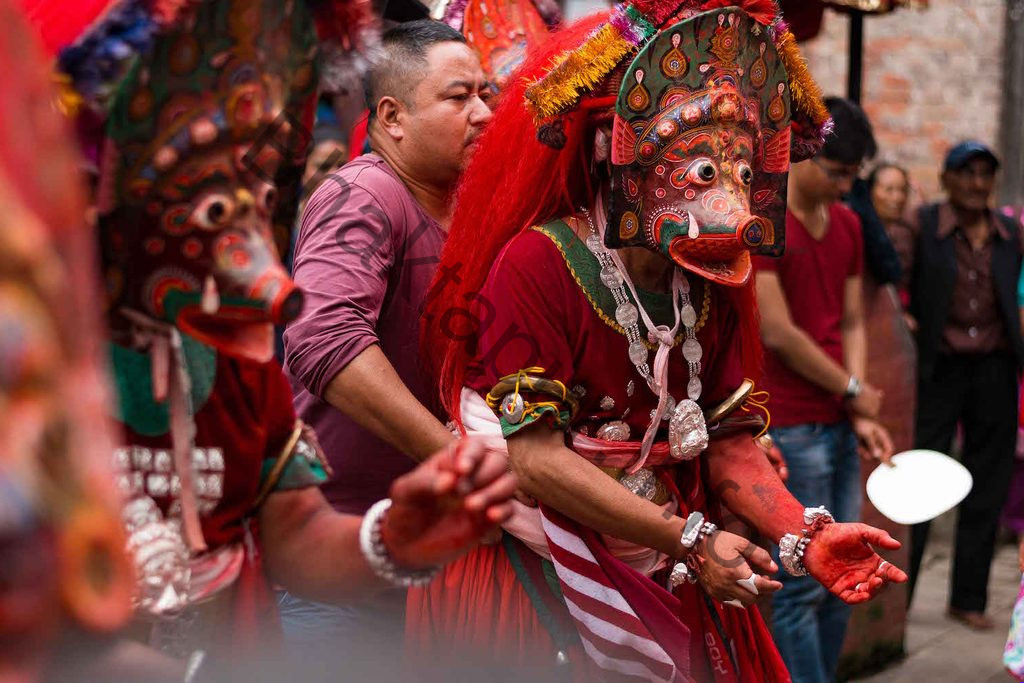
Examples consist of:
- Navadurga dance: A revered masked dancing custom connected to Bhaktapur.
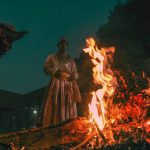
- Biska Jatra: A significant yearly celebration that includes the ceremonial Yosin pole and chariot processions.
- Pottery Square: An old hub for the production of clay pottery.
- Dafa Bhajan: A custom of devotional song.
Brick courtyards, carved windows, multi-tiered pagoda temples, and ancient palaces are examples of traditional Newar architecture.
Bhaktapur is a significant hub for Newar cultural heritage because of these customs.
Are Nepali and Newar the same?
No. While Nepali can refer to either the Nepali language or the people of Nepal in general, depending on the context, Newar refers to a specific Indigenous population and cultural identity.
Although not all Nepalis are Newar, a Newar person is Nepali if they are a citizen of Nepal. Similarly, Nepali and Nepal Bhasa are distinct languages.
To put it simply, the Kathmandu Valley has been significantly shaped by the unique linguistic and cultural legacy of the Newars, one of Nepal’s historic Indigenous peoples.