


Madhyapur Thimi, also known as “the ancient city in the middle” and located directly between Kathmandu and Bhaktapur, is much more than just a physical bridge in the Kathmandu Valley. It is a living, breathing museum where everyday life itself unfolds in a continuous cycle throughout all 365 days of the year, rather than heritage hidden behind glass.
A year-long exploration of Madhyapur Thimi’s living legacy, festivals, temples, traditional crafts, Newari food, and daily life is offered in 365 Days of Exploring Madhyapur Thimi.
Madhyapur Thimi provides something uncommon: a genuine, unbroken connection to old Newar craftsmanship, Tantric rites, and communal living, while other historic cities draw millions with their imposing monuments. Experiencing Madhyapur Thimi for an entire year allows one to see how living culture and history coexist together with the changing of the seasons.
This might develop into a year-round tourist and cultural narrative series for Bhaktapur.info, showcasing a single location, custom, celebration, or local experience each day.

1. Spring: Ancient Courage & Vermilion Explosions (March–May)
The Bikram Sambat New Year begins in Madhyapur Thimi in the spring, turning the peaceful old lanes into colourful, sensory festivities.
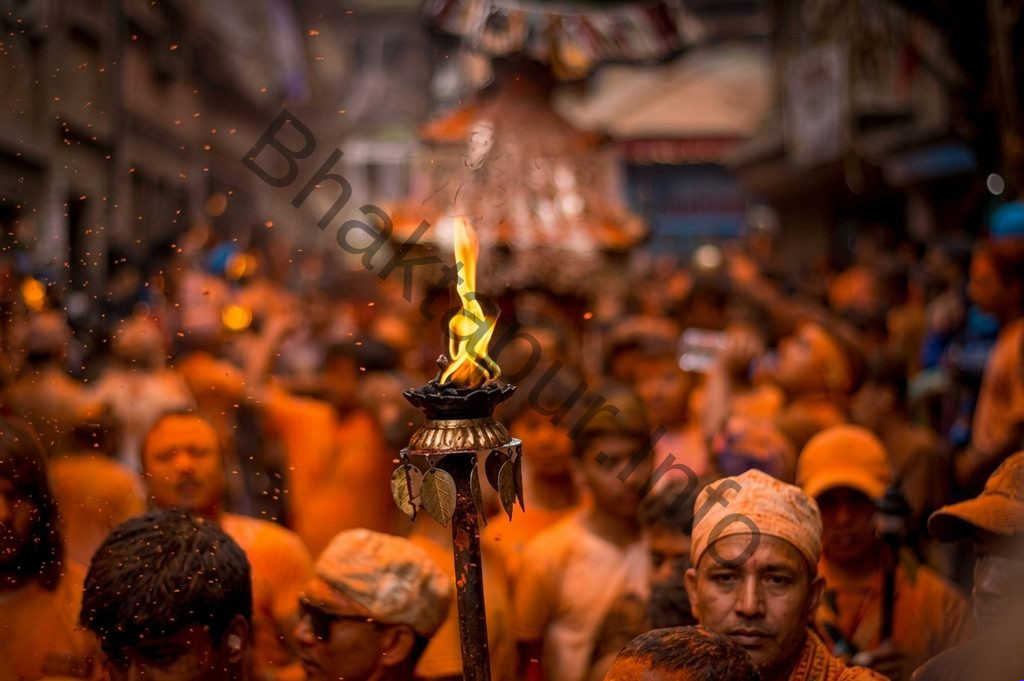
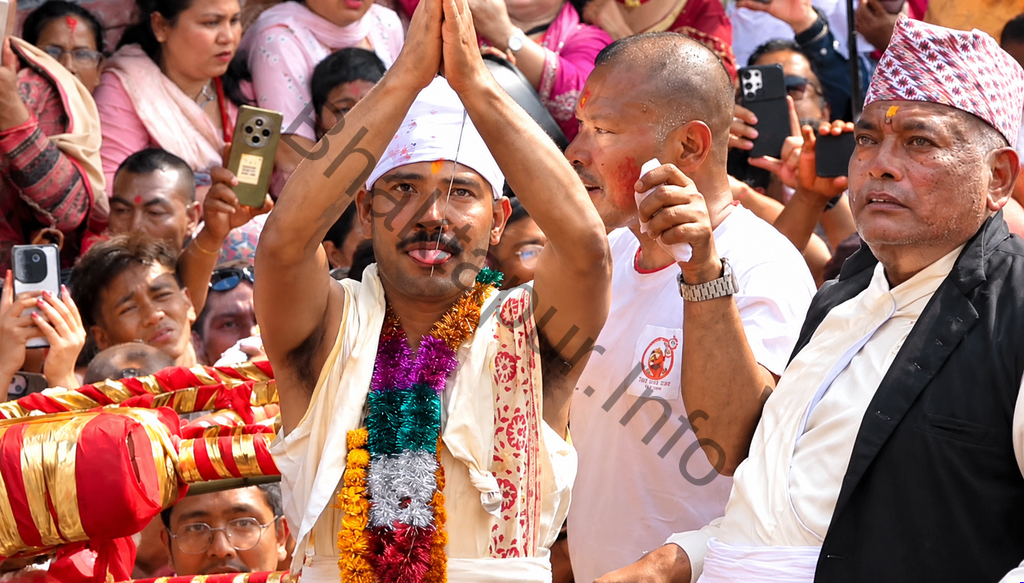
Sindoor Jatra (The Vermilion Powder Festival): One of the most colourful cultural events in the world takes place in Thimi on New Year’s Day (mid-April). The ancient Balkumari Temple is surrounded by thirty-two ornate palanquins (khats) bearing deities. As traditional Dhimay drums and brass trumpets reverberate across the streets, devotees toss orange sindoor powder into the air, illuminating the heavens with flaming clouds.
Jibro Chhedne Jatra (Tongue Piercing Festival): Only a short stroll away in Bode, a brave local volunteer pierces his tongue with a large iron spike as part of a painful but sacred tradition. He marches through the town with a blazing bamboo frame on his shoulders in order to ward off old ghosts and summon prosperity.
2. Summer:Earth, Clay, and Community Renewal(June-August)
Thimi reverts to its deeply ingrained artisanal roots once the monsoon rains arrive.
The Rhythm of Potters’ Square: Thimi is recognised as the Kathmandu Valley’s principal pottery capital. Master potters shape wet clay on revolving wooden wheels in areas like Chapacho, Nasanani, and Digutole. They then sun-dry their pottery in public courtyards before burning it in conventional open kilns.

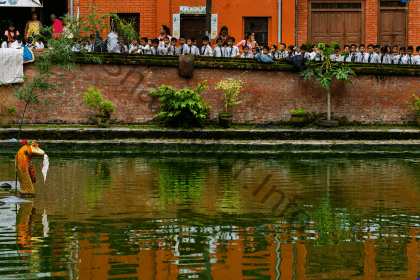
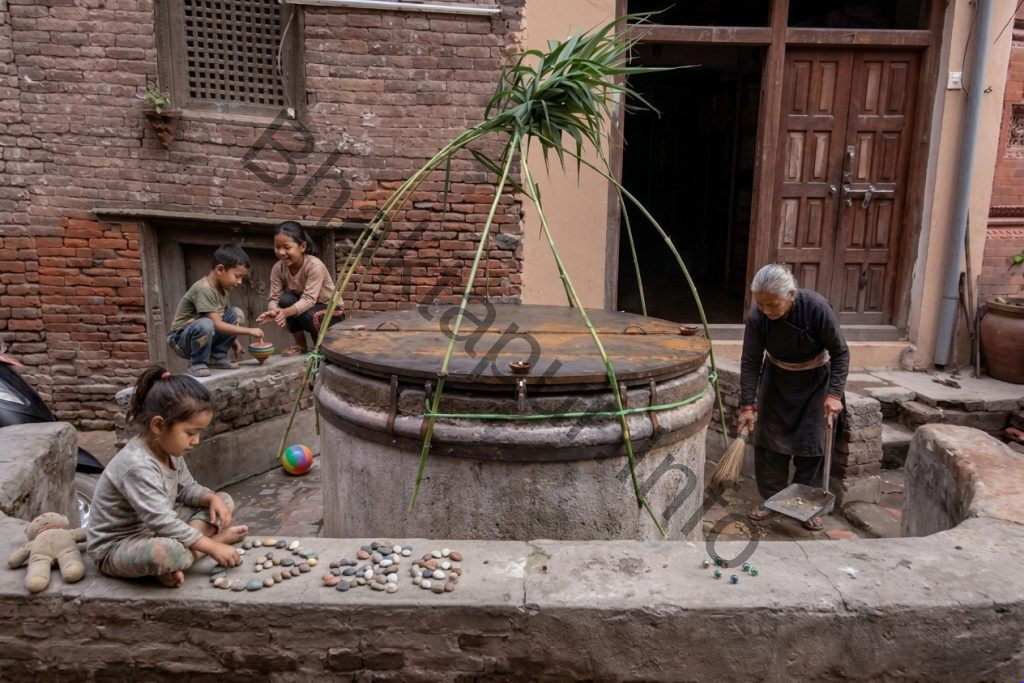
Sithi Nakha & Sacred Waters: In keeping with an ancient indigenous commitment to environmental stewardship, the community comes together to clean and restore the historic stone spouts (hitis), ponds, and wells (pukhus) before the heavy rains arrive.
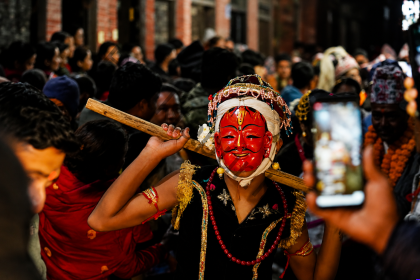
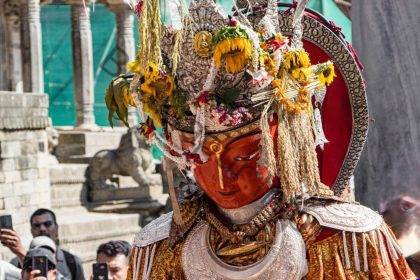
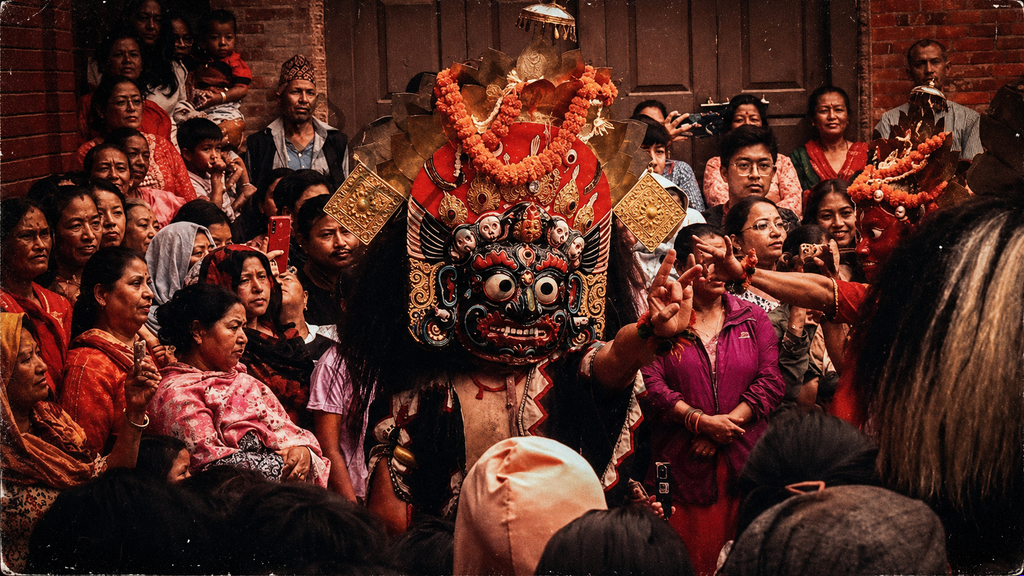
Layaku Bhaila Naach: The ancient Thimi Layaku (palace courtyard) hosts sacred masked dances in late August. Throughout the night, trance-like dances are performed by masked dancers who stand in for Lord Bhairab and spiritual guards.
3.Autumn: Masked Mysteries, Music, and Devotion (September–November)
Thimi’s spiritual mood peaks in autumn, which also brings bright skies and Nepal’s main celebration season.
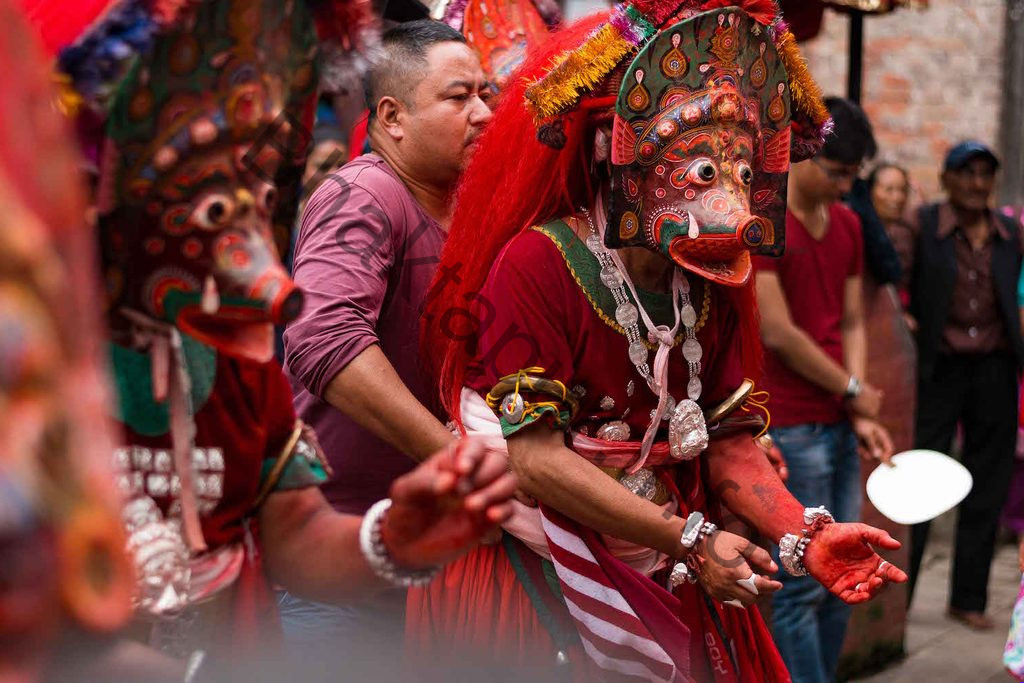
Nil Barahi Naach: A multi-day, strenuous dance is performed in Bode by dancers donning elaborate masks of the mother deity Nil Barahi. Performers who follow rigorous Tantric vows dance for days without eating, speaking, or allowing their feet to touch the earth.
Gai Jatra and Indra Jatra: Music, comedy, and satirical dance troupes move from square to square during street processions honouring departed loved ones. Another Jibro Chhedne Jatra (Tongue Piercing Festival) Every year in September, during the Indra Jatra (Yenya Punhi) season, Madhyapur Thimi hosts the famous Newar cultural event known as Digu Tole (Diguli).
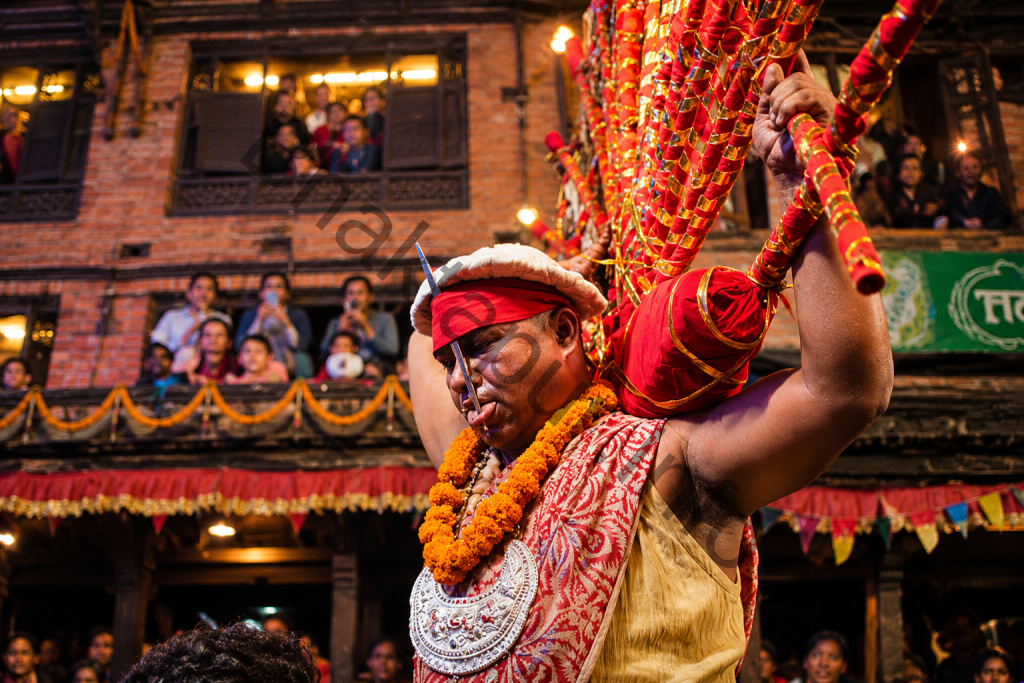
Dashain,Tihar and Mha Puja: To celebrate Dashain as Mohani Nakha grandly, the Nepal Sambat New Year, Newar families get together for Mha Puja, a rite devoted to honouring and cleansing one’s own body and spirit, during the festival of lights.
4.Winter: Culinary Tradition & Sunlit Brick Courtyards (December–February)
Life in Thimi calms down to a serene, golden pace during the winter.
Courtyard Culture: Hand-carved wooden Aakhi Jhyaal windows and historic brick façades are illuminated by golden morning light. While women spread out gathered grains, mustard seeds, and red chilies to dry in the sun, elders congregate on traditional wooden rest stations called falchas.

Yomari Punhi: Steamed rice-flour dumplings filled with molasses (chaku) and sesame seeds, made to commemorate the rice harvest, fill homes with the delightful scent of Yomari during the winter full moon.
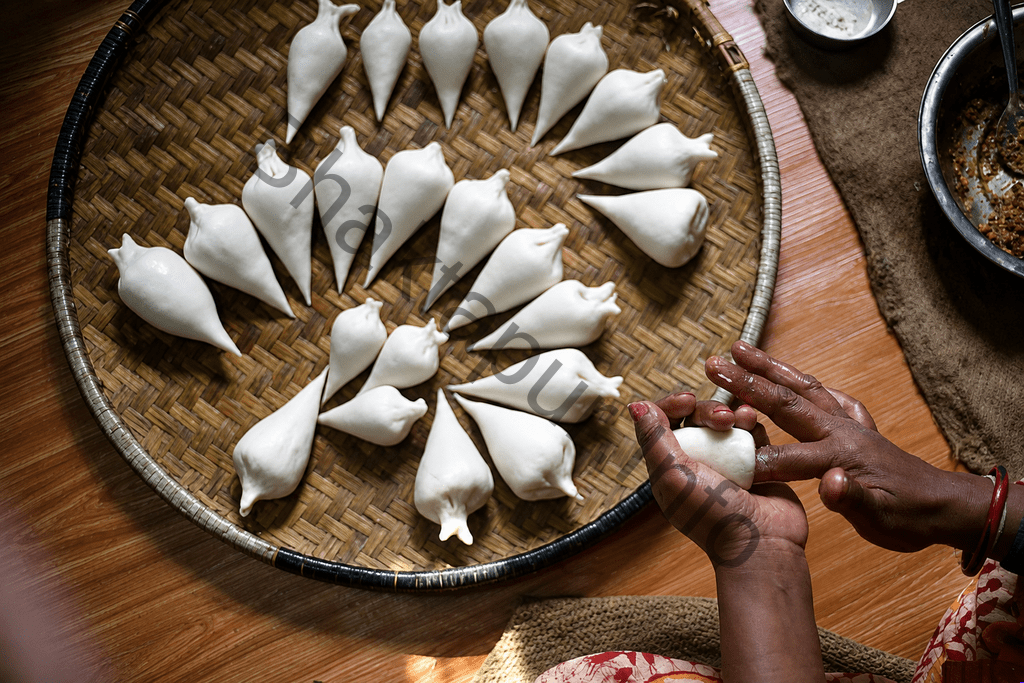
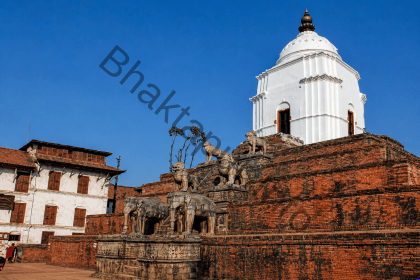
Exploration & Heritage Walks: Winter provides the perfect setting for discovering hidden architectural gems, such as the serene forest sanctuary encircling Nil Barahi, the 17th-century hilltop Siddhikali Temple, and Lokeshwor Temple.
Explore Madhyapur Thimi through 12 themes
- January—Heritage and historic settlements,Explore traditional Newari houses, narrow alleys, historic squares, courtyards, and the architectural identity of Thimi.
- February—Temples and sacred places,Discover Siddhikali Temple, local shrines, traditional worship, and the relationship between temples and community life.
- March—Festivals and jatras ,Document ,Biska Jatra, local processions, community celebrations, and seasonal rituals, according to the festival calendar.
- April—Pottery and traditional crafts, Meet potters, explore clay-working techniques, and document the skills passed between generations.
- May — Masked dances and performing arts, Introduce Nil Barahi Dyo Pyakhan, traditional dance costumes, masks, music, and the cultural knowledge behind performances.
- June — Newari food and local flavours, Explore bara, wo, chatamari, yomari, beaten rice dishes, and traditional food prepared for festivals and family gatherings.
- July — Unique rituals and local legends, Share documented stories about Bode’s tongue-piercing tradition, community beliefs, and the people who preserve the rituals.
- August — Music, bhajans, and community life, Explore Dafa traditions, devotional music, traditional instruments, and neighborhood gatherings.
- September — Artisans and local livelihoods, Document pottery makers, farmers, traditional artists, local markets, and the changing lives of Thimi’s residents.
- October — Major festivals and seasonal traditions, Cover Dashain, community worship, traditional decorations, and other festivals observed locally.
- November — Hidden places and walking routes, Discover quiet courtyards, neighborhood squares, local viewpoints, and less-visited heritage sites.
- December — People, memories, and living heritage, Finish the year with local interviews, family traditions, oral histories, and stories from the people who make Thimi special.
The monthly themes are an editorial framework, not a claim that each festival takes place in that month. Festival dates should be verified against the relevant lunar calendar and local organizers.
Key Heritage Highlights at a Glance
| Landmark / Tradition | Significance | Key Season |
| Balkumari Temple | Dedicated to the guardian mother goddess; center of Sindoor Jatra. | Spring |
| Siddhikali Temple | Impressive 17th-century pagoda complex surrounded by historic shrines. | Year-round / Winter |
| Thimi Pottery Squares | Living artisan quarters producing handcrafted terracotta clayware. | Summer & Winter |
| Thimi Layaku | Ancient palace grounds and venue for Tantric masked dances. | Autum |
Suggested daily content format
- Day 001: Discover Madhyapur Thimi — an introduction to the historic town.
- Day 002: The story of Siddhikali Temple.
- Day 003: Traditional Newari architecture and brick houses.
- Day 004: Meet a local potter.
- Day 005: Explore Thimi’s historic squares.
- Day 006: The cultural significance of Bode’s Nil Barahi dance.
- Day 007: Taste traditional Newari food.
- Day 008–365: Continue with temples, festivals, crafts, neighborhoods, people, legends, food, and walking routes.
Discover the Living Legacy
A carefully planned schedule is not necessary when visiting Madhyapur Thimi. Every day of the year, it invites you to stroll through little brick lanes, hear the rhythmic sound of potters’ wheels, sample real Newari food like Ju Ju Dhau (King Curd) and Bara, and see a culture that is still deeply cherished and actively practiced.