

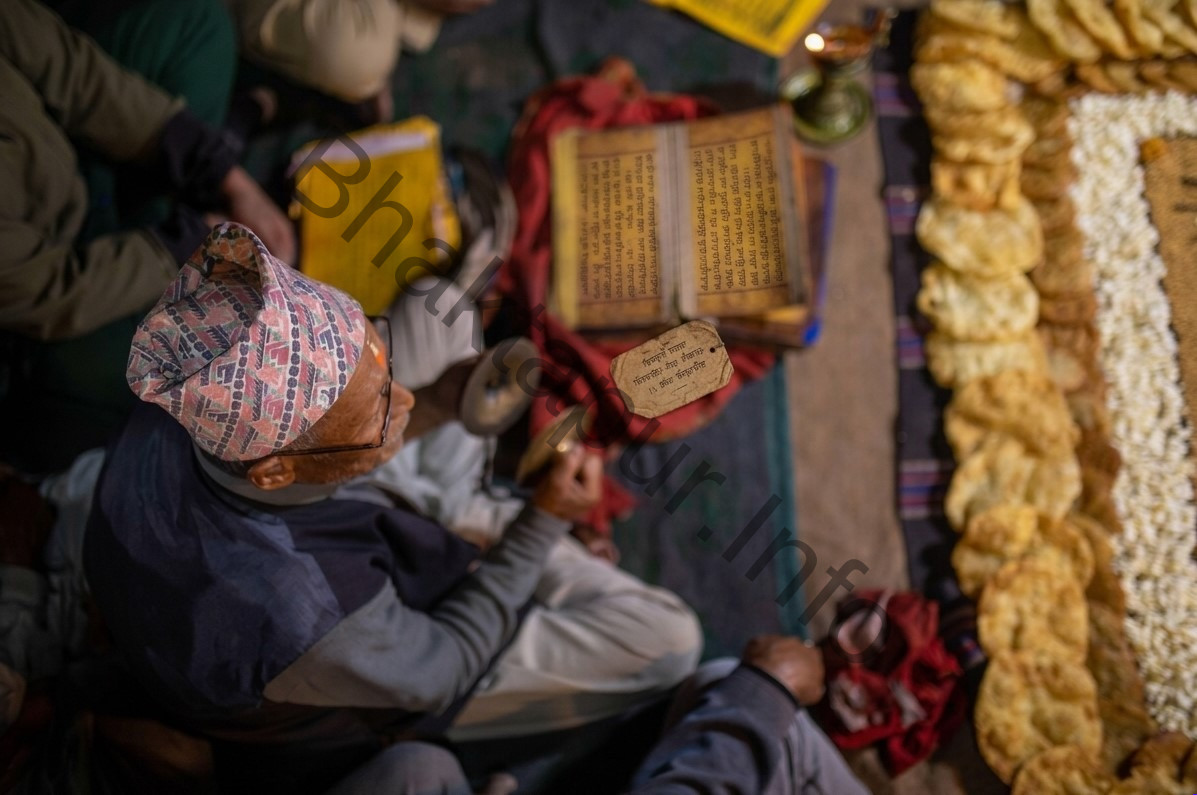

Sakimana Punhi (सकिमना पुन्हि) – A Newar Festival of Bhaktapur, Nepal
Halamali Punhi (हलिमलि पुन्हि) is a traditional festival of Newars celebrated on the full moon day of Kartik (Kartik Shukla Purnima) usually in the month of October or November. It is also known as Halimali Punhi or Sakimana Punhi (सकिमना पुन्हि). The festival is an important manifestation of Newar cultural heritage which includes religious devotion, traditional food, artistic creativity and community participation.
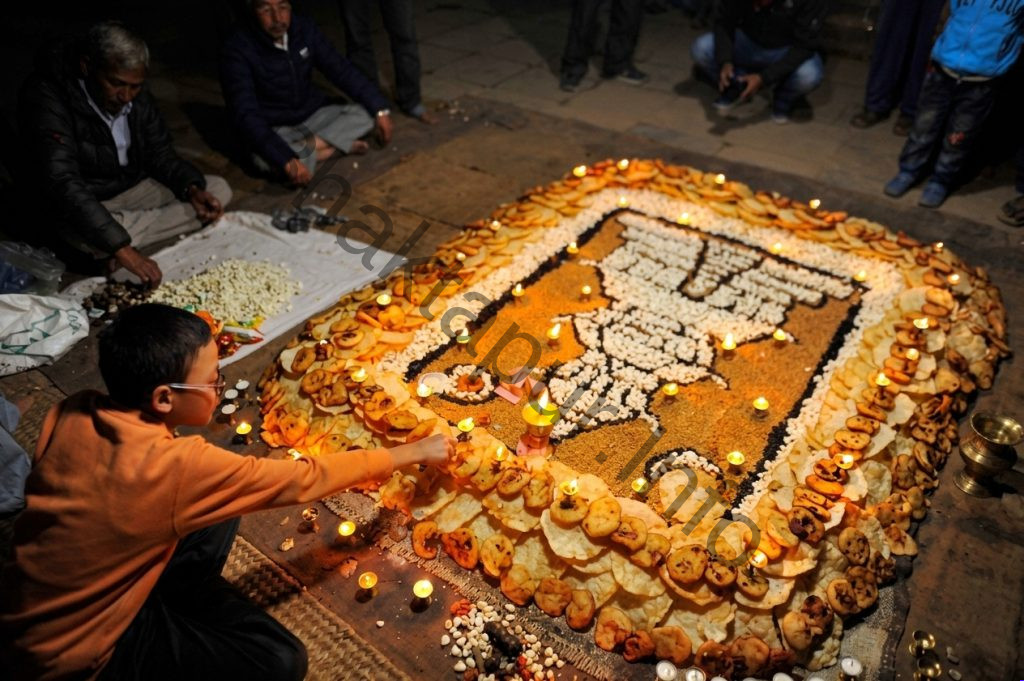
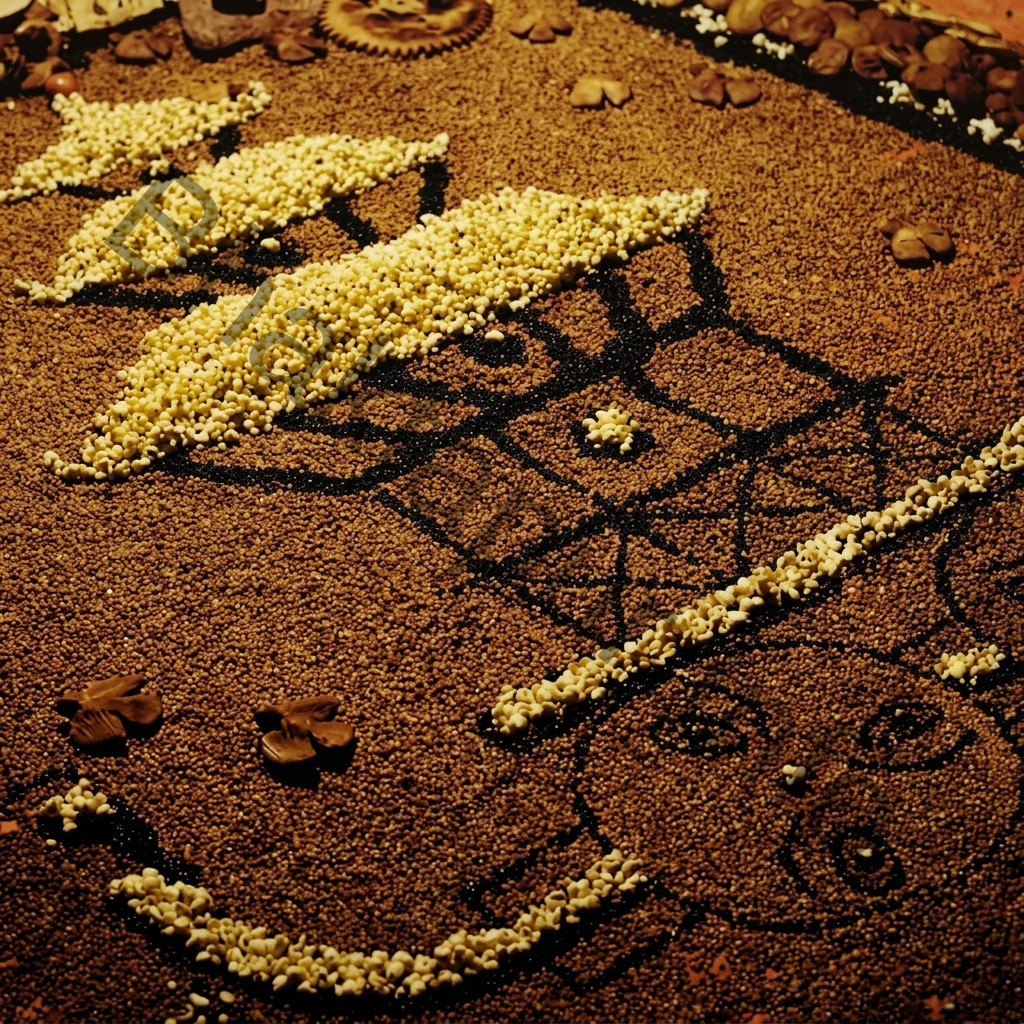
The most unique feature of this festival is Halimali Bwayegu (हलिमलि ब्ययेगु), a unique traditional art where grains, legumes and other food materials are roasted and arranged to form beautiful figures of deities, temples, stupas and religious symbols. In front of temples, Buddhist monasteries (Bahals) and traditional community courtyards these color creations are placed.
The festival is a beautiful representation of the connection between food, faith and community life in Newar culture.

1. Sakimana Punhi Meaning and Origin
The name is derived from two words in Nepal Bhasa:-
- Saki (सकी): Taro root (पिंडालु)
- Mana (मना): Boiled or cooked preparation.
- Punhi (पुन्हि): Day of the full moon.
Hence Sakimana Punhi is the full moon festival associated with the eating of boiled taro.
It is also called:
- Sakimila Punhi
- Hisaki Punhi
- Halimali Punhi
The festival falls on Kartik Shukla Purnima, usually in October or November.
2. Halimali Bwayegu (हलिमलि ब्ययेगु)
One of the most interesting aspects of Sakimana Punhi is the traditional art of making religious figures and decorative designs out of grains and seasonal food products known as Halimali Bwayegu.
People are using:- Roasted corn
- Roasted maize (मकै)
- Soybeans (भटमास)
- Chickpeas (चना)
- Peas (केराउ)
- Broad beans (बकुला)
- Peanuts (बदाम)
- Other seasonal seeds and legumes
These ingredients are laid out in beautiful forms of deities, temples, stupas and religious symbols.
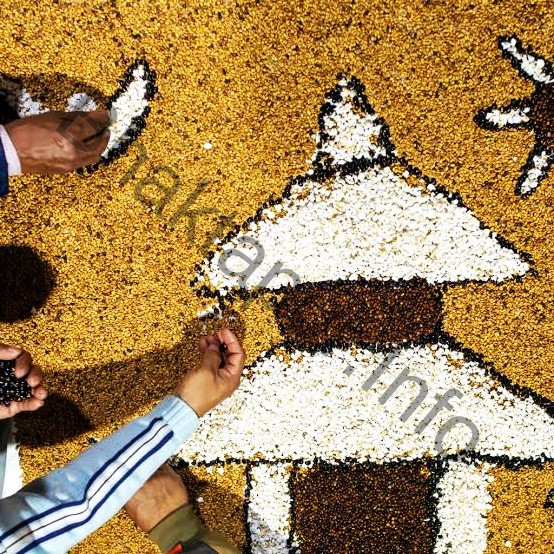
Finished designs are displayed in front of temples, monasteries, shrines and traditional communal spaces.

3. Cultural and spiritual importance
Sakimana Punhi is a gratitude for nature, agriculture, seasonal harvests and the food that sustains human life.
Its important cultural facets are:
- Worship of deities: Seasonal food offerings are made to household and community deities.
- Respect for nature: The people are thankful for the products of agriculture.
- Community engagement: Neighbors come together to make Halimali designs and to participate in religious activities.
- Folk Music: Dafa bhajan groups sing devotional songs.
- Prasad Sharing: The prepared food and offerings are shared by devotees.
4. Bhajan and traditional music of Dafa
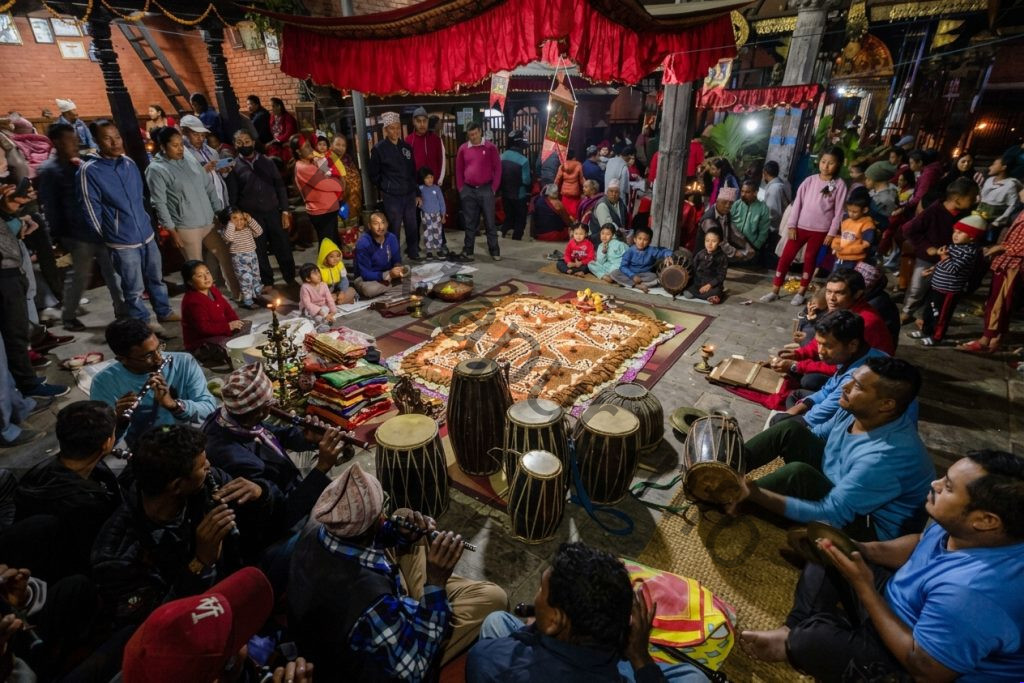
Dafa Bhajan is an integral part of the celebrations.
The traditional Newar musical bands assemble around temples and public rest houses (Pati and Sattal) and sing devotional songs in praise of Hindu and Buddhist deities.
Traditional music fills the neighborhoods with a spiritual atmosphere.
The evening also marks the end of the month-long Kartik devotional singing tradition that begins around Kojagrat Purnima.
5. Sakimana Punhi: Celebration in Bhaktapur
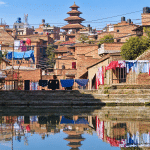
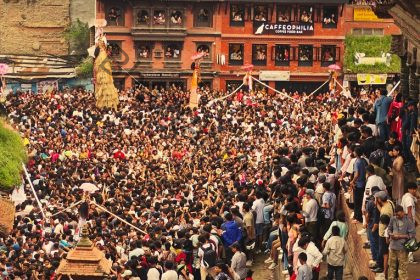
Bhaktapur is one of the important places to enjoy this traditional festival.
Celebrations can be spotted in:- Taumadhi Square, Bhaktapur
- Surrounding area of Nyatapola Temple
- Traditional neighborhood temples and Patis
- Temples and historic squares of Madhyapur Thimi- Local Dafa Bhajan Community Gathering Locations
The temple is surrounded by traditional music, religious offerings, lamps and artwork of Halimali.
The festival in Bhaktapur is characterized by the involvement of local Dafa Bhajan groups and neighborhood communities.
6. Traditional foods of Sakimana Punhi
Traditional foods prepared and offered during this festival include:
| Food | Description |
|---|---|
| Saki (पिँडालु) | Boiled taro root |
| Sweet potato | Boiled seasonal sweet potato |
| Musya | Roasted Soybeans |
| Chhusya | Roasted Wheat |
| Laaja | Puffed Corn |
| Malpuwa | Traditional sweet pancake |
| Puri | Fried traditional bread |
| Kheer | Rice pudding |
7. Why Sakimana Punhi Needs to Be Protected
Sakimana Punhi is not just a food festival. It expresses the link between agriculture and spirituality, art, music and community life.
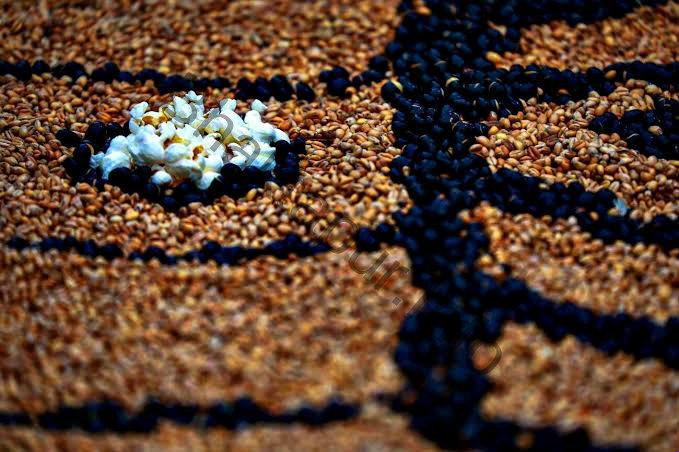
The Newar community’s creativity and cultural knowledge is on display in the tradition of making beautiful religious figures out of grains.
With the changes in the modern lifestyle, it is important to document and promote festivals like Sakimana Punhi so as to preserve the living heritage of Bhaktapur and to introduce the new generation and the international visitors to the traditional culture of Nepal.