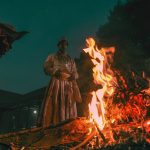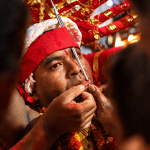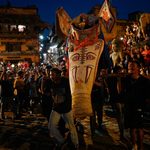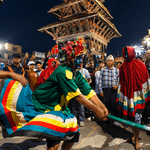

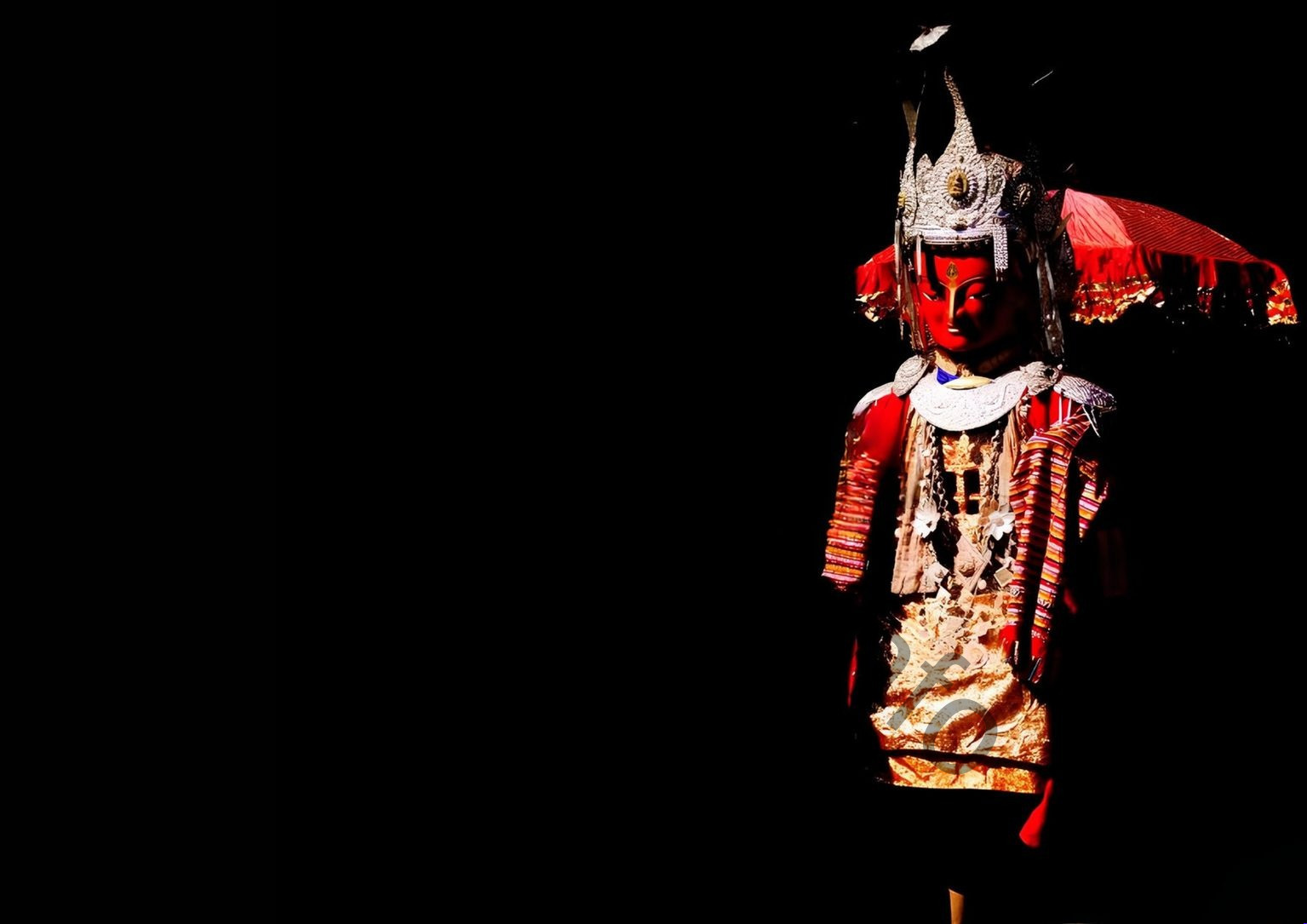

One of the most significant Buddhist and Newar cultural celebrations in Bhaktapur is the Panchadan Festival, which is held annually on Bhadra Krishna Trayodashi. Five revered Deepankar Buddha figures are the focus of the festival’s adoration, procession, and almsgiving.
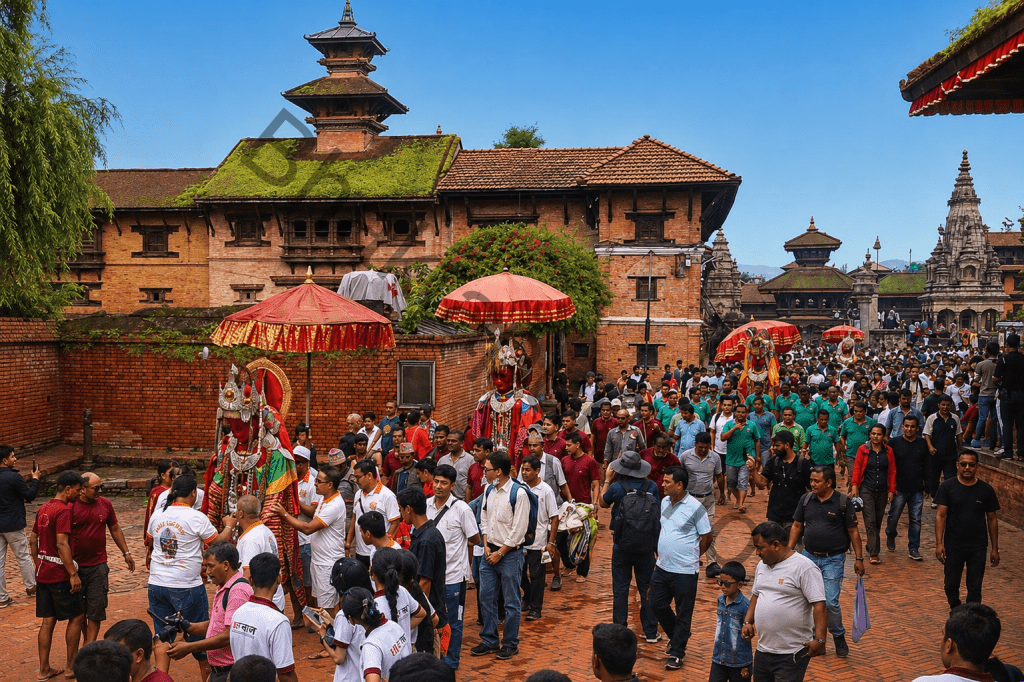
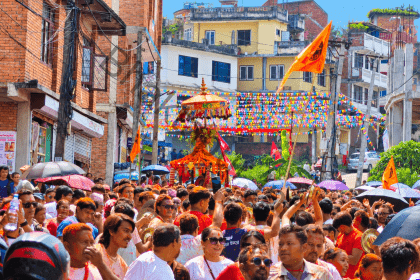
Panchadan has a unique personality in Bhaktapur. The five enormous images of Deepankar Buddha, which are typically connected to ancient Mahavihars (Buddhist monasteries), are brought out and carried about the city so that devotees can offer daan and obtain blessings. The old city is filled with a profoundly spiritual atmosphere as the procession is accompanied by traditional Newar music, such as Gunla music and traditional horns (Nyeku Baja).
Five Bhaktapur Deepankar Buddhas
Images of Deepankar Buddha connected to five ancient Buddhist monasteries in Bhaktapur are gathered for the celebration. According to recent reports, they are associated with Thathubahi in Bhaktapur, Jhaur Bahi in Golmadhi, Prasannashil Mahavihar in Kwathando, Chaturbrahma Mahavihar in Sakotha, and Kuthubahi in Dudhpati. Prior to the city procession, the pictures are customarily collected at Suryamadhi.

Following religious rites and worship, the Deepankar figures are ceremoniously moved through various neighborhoods and Buddhist monasteries as part of the festival. The procession normally started at Adipadma Mahavihar and proceeded toward Thathubahi.

The Panchadan Tradition
The custom of making five different types of offerings is referred to as Panchadan. Essential agricultural and everyday products, including rice and other grains, lentils, salt, fruit, and other essentials, have traditionally been offered. Devotees can now donate food, cash, clothing, medications, and other necessities based on their financial situation.

Children, adults, and senior citizens all take part in the custom of receiving alms after offerings are made to Deepankar Buddha. The Buddhist principles of generosity, compassion, merit, and community solidarity are expressed through this giving and receiving exchange.
A Living Legacy of Bhaktapur
The way Buddhist and broader Newar groups collaborate during Panchadan is very noteworthy. According to scholarly research, Bhaktapur’s Panchadan is a significant communal Buddhist festival that is notable for the five Deepankar Buddhas‘ magnificent procession through the ancient city.
Panchadan is therefore more than just a religious holiday for Bhaktapur. It is a dynamic manifestation of the city’s centuries-old cultural identity, historic monasteries, traditional music, and Newar Buddhist heritage.
Overview of Panchadan Meaning:
- Also referred to as the festival of five summer or everyday necessities (Panjra).
- Core Offerings: Five essential goods are donated by devotees: rice grains, unhusked rice or wheat, salt, cash, and pulses or fruit.
- Participants: The Shakya and Bajracharya communities of the Newar Buddhist tradition are the main participants.
- Recipients: As monastic Buddhism has developed over time, ordained priests and community members go from home to home gathering alms.
Important Customs and Activities
Dipankara Statues: In courtyards, monasteries (Bahas and Bahils), and streets, there are towering, holy statues and ancient depictions of Dipankara Buddha.
Processions: Traditional drums and cymbals (Gunla Dha) accompany people as they carry the massive effigies through old city lanes.
Artifact Display: For public veneration, homes and monasteries display priceless ancient Buddhist artifacts and antiques.

Timing and Locations
Calendar Date: Celebrated in Kathmandu, Bhaktapur, Lalitpur, Kirtipur, Banepa, and Panauti on Bhadra Krishna Trayodashi, two days prior to Kushe Aunsi, or Father’s Day.
Local Differences: On Shrawan Shukla Ashtami, Patan celebrates a different holiday called Yala Panchadan, or Panjāstami, and Bhaktapur also observes certain regional processions.