

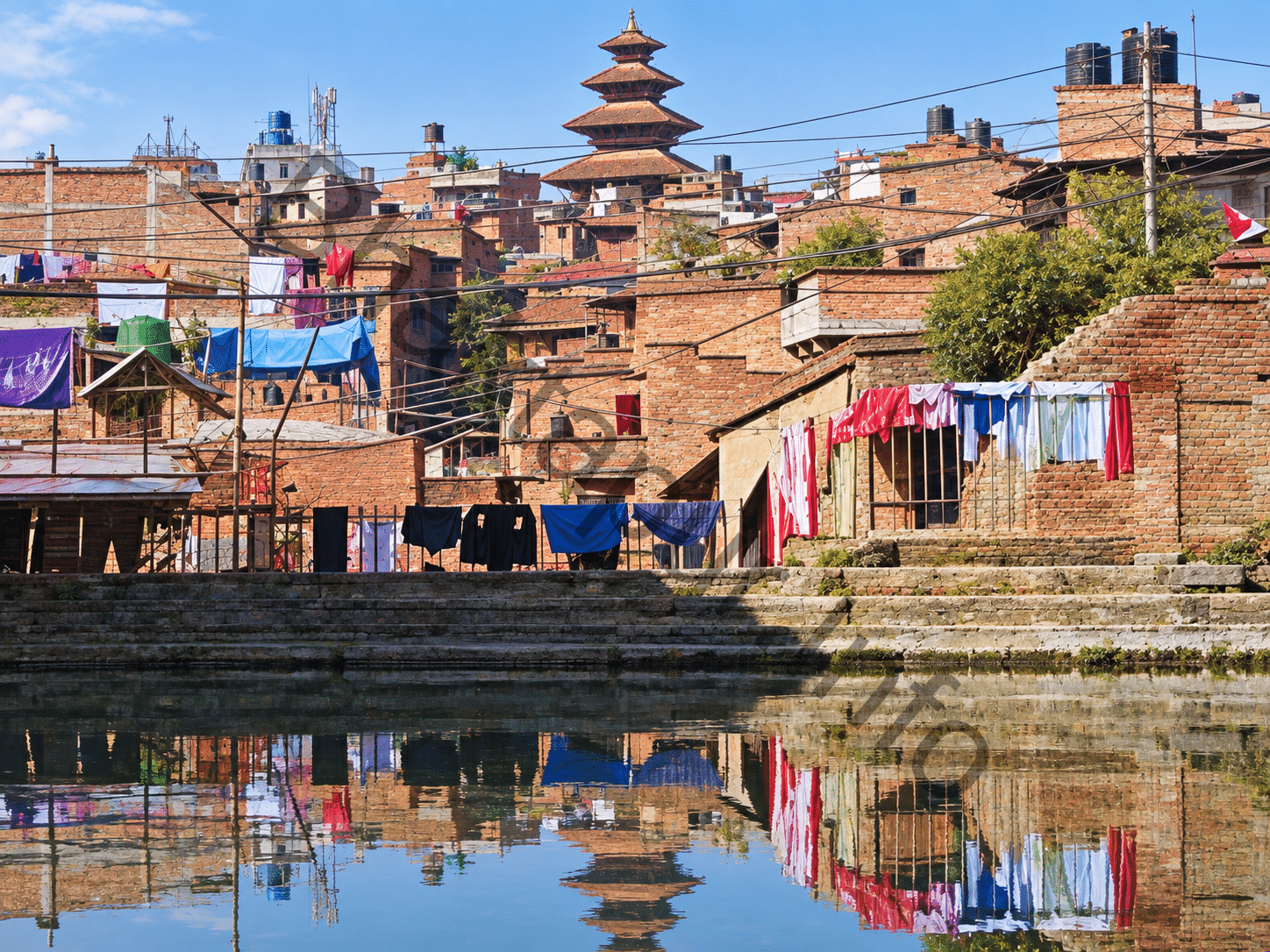

Bhaktapur today is a remarkable blend of ancient heritage, living culture, traditional architecture, and modern urban life. Located in the Kathmandu Valley of Nepal, approximately 13 kilometers east of Kathmandu, Bhaktapur is one of the country’s most treasured historical cities. Known as the City of Devotees, it preserves centuries-old Newar traditions, magnificent pagoda-style temples, artistic woodcarvings, pottery-making traditions, and vibrant festivals.
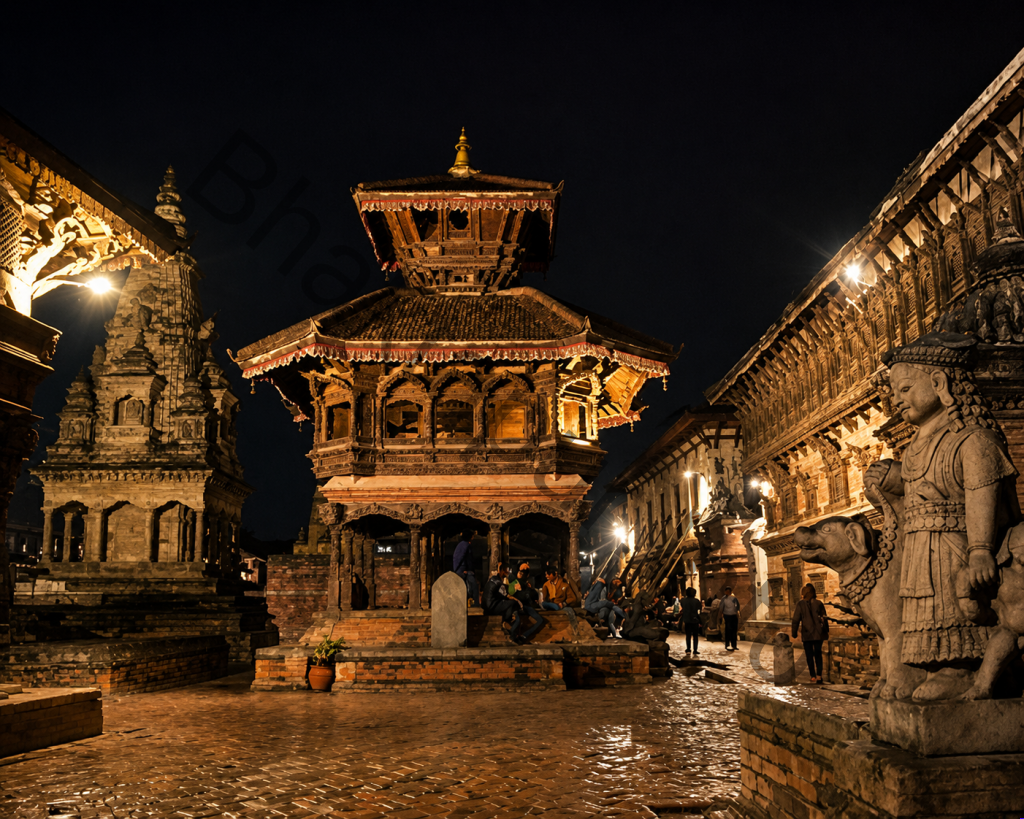
Although Bhaktapur is famous for its medieval appearance, it is far more than an open-air museum. It is a living city where people continue to worship at historic temples, celebrate traditional festivals, operate family businesses, and pass cultural knowledge from one generation to the next. Today, Bhaktapur offers visitors an opportunity to experience Nepal’s past while discovering the realities of contemporary life.
Bhaktapur’s Historic Identity
Bhaktapur, traditionally known as Khwopa (Khwapa), has a long history closely linked to the development of the Kathmandu Valley. It emerged as a major political, economic, religious and cultural center, especially during the Malla period.
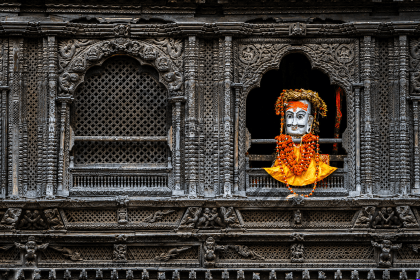
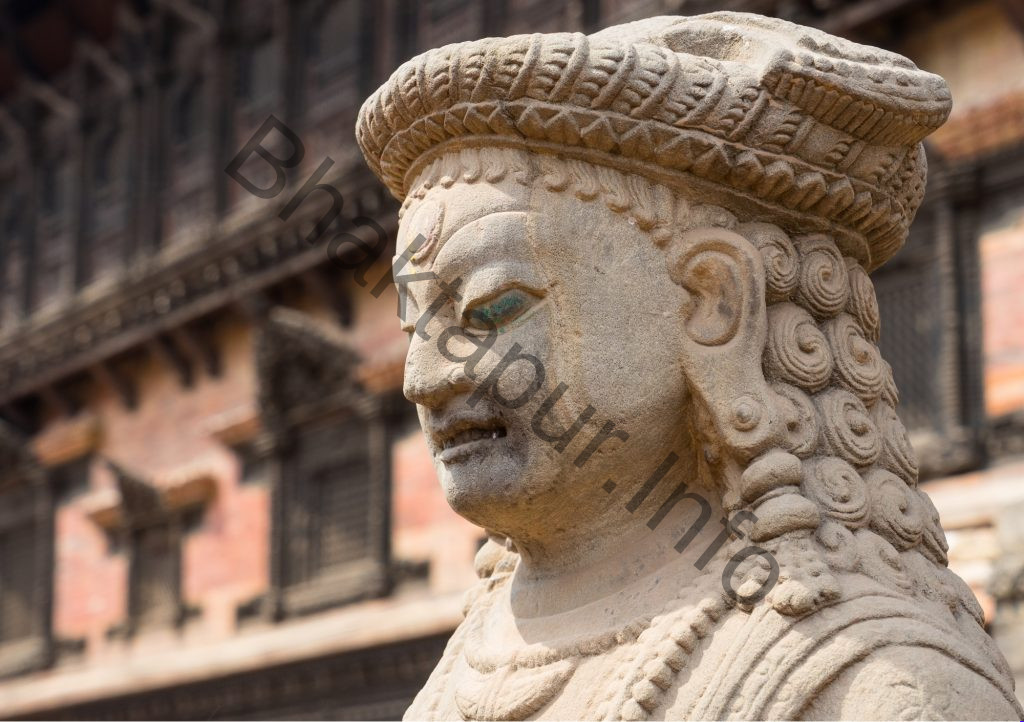
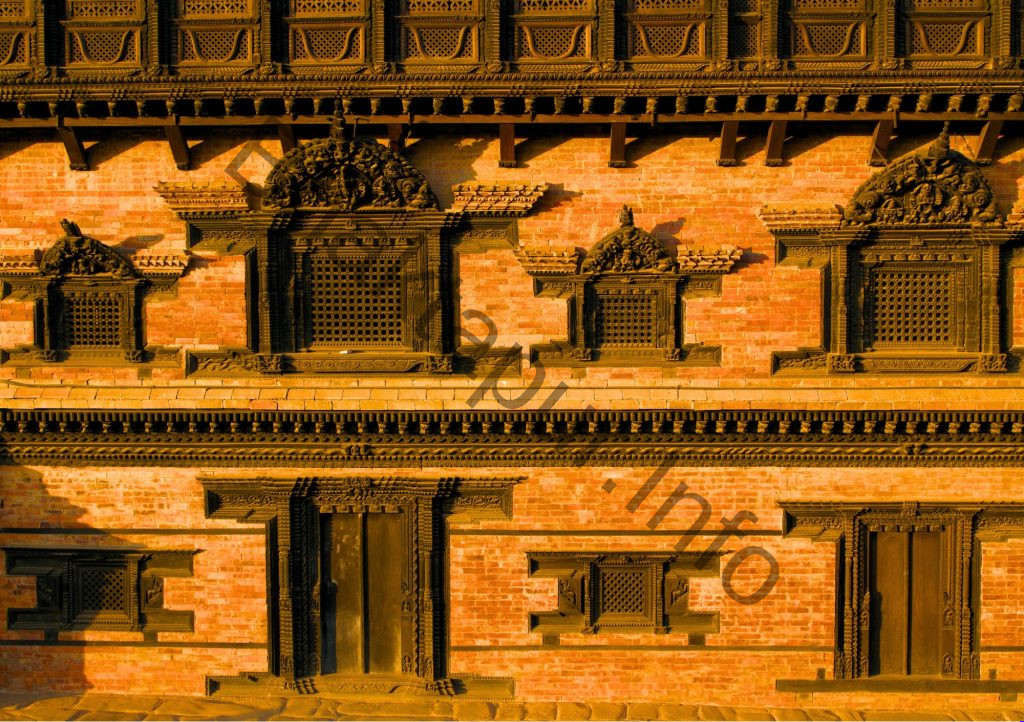
The city’s historic squares, temples, courtyards, and traditional residential buildings are a testament to the exceptional craftsmanship of the Newar artisans. Wooden windows, intricately carved brick facades, stone sculptures, and pagoda roofs, rising tier upon tier, still define Bhaktapur.

Bhaktapur Durbar Square (Layaku) is one of the most prominent landmarks in the city. Its royal and artistic past can be seen in the Golden Gate, the 55 Windows Palace and the National Art Gallery. Nearby is the famous Nyatapola Temple in Taumadhi Square, a fine example of traditional Nepalese temple architecture. Dattatreya Square with its historic temples and the famous Pujari Math, reveals another important aspect of the architectural heritage of the city.
But these landmarks are not just historical relics. They are still part of the cultural identity of the city, attracting visitors, photographers, researchers, and heritage enthusiasts from around the world.
Traditional Culture and Festivals
Perhaps the most amazing thing about Bhaktapur today is that its traditional culture is still very much alive. The Newar people have preserved their own unique traditions, religion, musical culture, dance, art and social festivities.
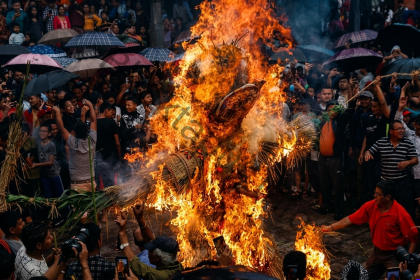
Bhaktapur is a city with festivals and jatras all year long connecting the people with their history and spiritual traditions. Biska Jatra is one of the best-known festivals in the city, which includes ceremonial chariots, community gatherings, and rituals associated with the traditional Newar calendar.
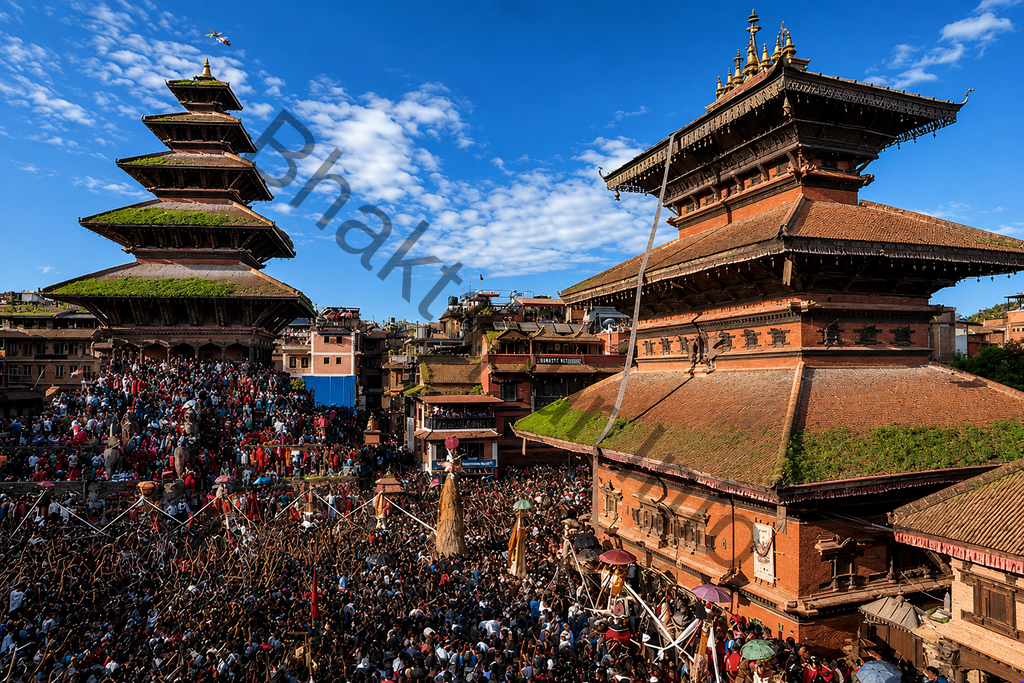
Other important cultural observances are Gai Jatra, Indra Jatra, Gunla, Dashain and performances of Navadurga and other traditional dance groups. As per the lunar calendar, many festivals’ exact dates are subject to change, which makes the cultural schedule unique every year.

The community life still has its traditional music, Dafa Bhajan, masked dances, ritual processions, and neighborhood gatherings. For visitors, these experiences provide a deeper insight into Bhaktapur beyond its iconic sites.
Pottery, Handicrafts, and Local Businesses
The identity of Bhaktapur is strongly linked with the traditional craft work. One of the best places to see this living heritage is at Pottery Square (Talako). Local artisans shape clay into pots, bowls, lamps, and other useful objects, employing skills honed over generations.
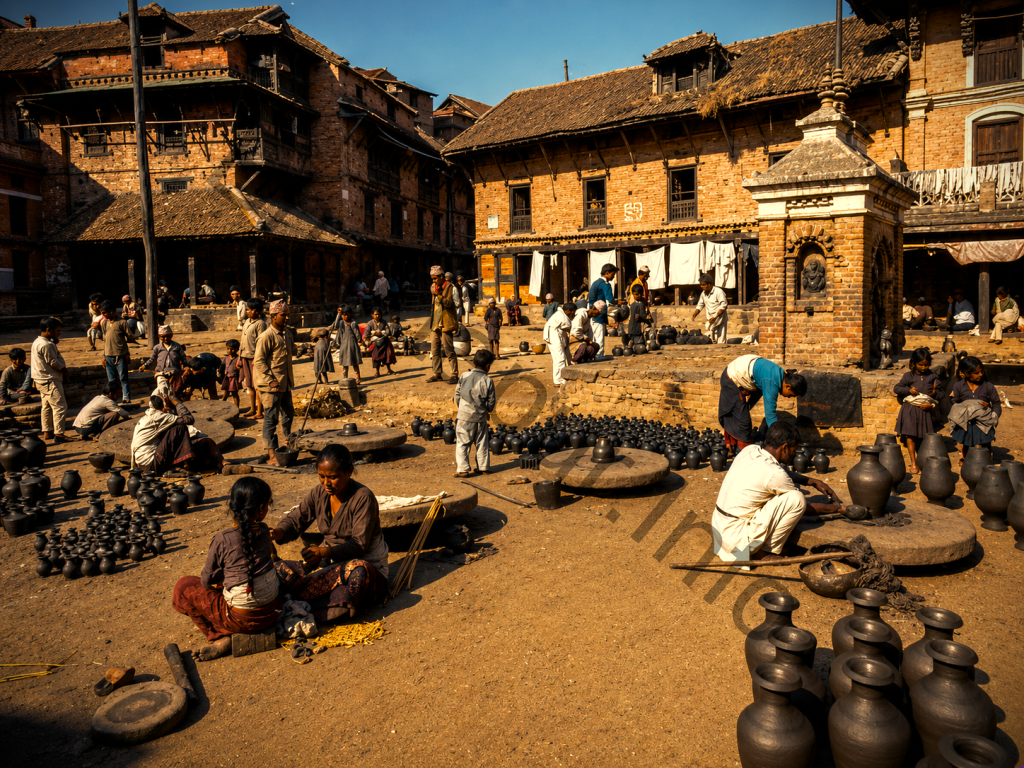
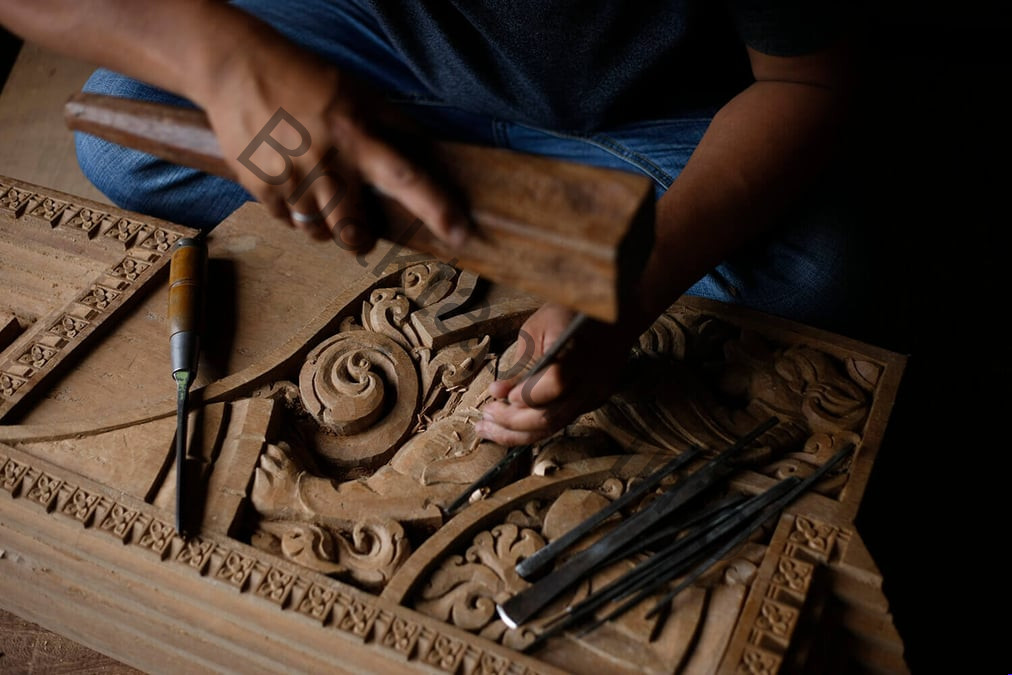
Part of the city’s cultural economy also includes woodcarving, metalwork, stone sculpture, traditional painting, and handmade crafts. These skills are evidence of how artistic traditions continue to provide livelihoods and preserve local knowledge.
Bhaktapur is also adapting to changing economic opportunities. Cafés, restaurants, hotels, souvenir shops, pottery workshops, and other tourism-related businesses cater to both domestic and international visitors. Traditional Newari cuisine like juju dhau (king curd), bara, chatamari, and other local specialties make the visitor’s experience all the more memorable.
Tourism in Bhaktapur Today
Bhaktapur is still an attractive destination for travelers looking for history, architecture, culture, photography, and authentic local experiences. Visitors can stroll around historic squares, walk along narrow brick-paved streets, discover hidden courtyards, visit temples, and watch artisans at work.
A single day visit can cover major attractions like Bhaktapur Durbar Square, Taumadhi Square, Pottery Square, and Dattatreya Square. If you have more time, you can visit the surrounding communities and traditional settlements, go to the local markets, or visit nearby cultural attractions.
Responsible tourism is especially important. Respect worshipers and ask permission before taking photos of people engaged in private or sacred activities. Follow local guidance at religious sites and do not disturb ceremonies. Supporting local artisans and businesses also sustains the community that keeps Bhaktapur‘s heritage alive.
Travelers should check current monument entry fees, opening arrangements, festival dates, and any relevant travel information before visiting.
Modern Development and Heritage Conservation
Bhaktapur, like other developing urban centers of Nepal, faces the challenge of balancing development with heritage conservation. The historic city and surrounding neighborhoods are challenged by population growth, traffic, changing lifestyles, demands for infrastructure, and environmental pressures.
Regular maintenance, skilled craftsmanship, community engagement, and appropriate conservation practices are essential for the conservation of traditional buildings. Earthquakes have also shown the importance of protecting historic structures while increasing their resilience.
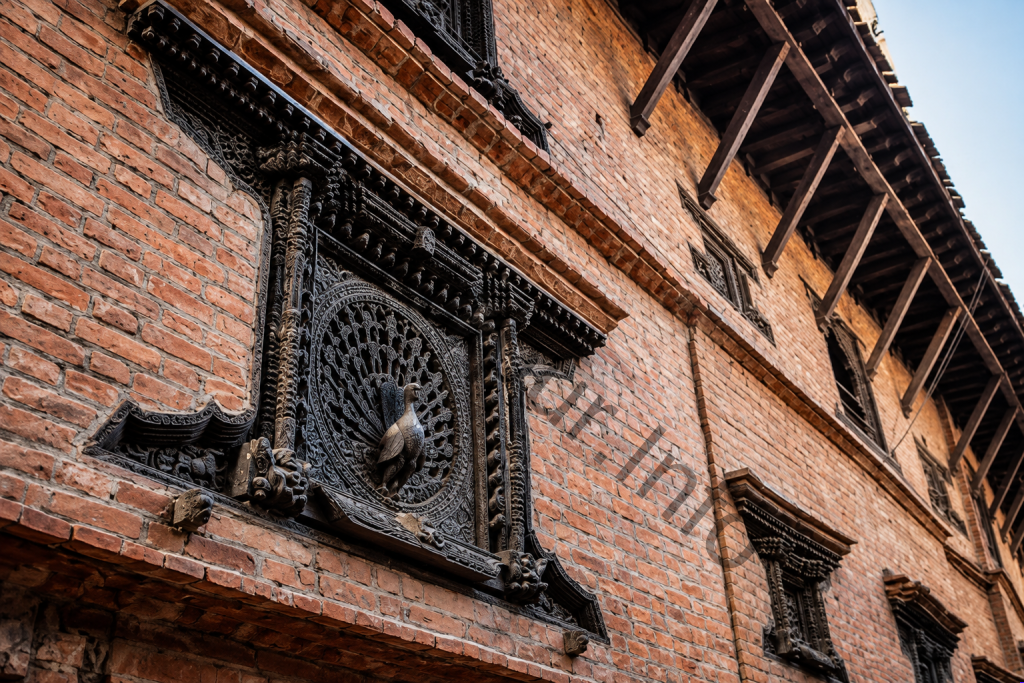
Bhaktapur’s future does not lie in the restoration of old monuments. It also needs the support of traditional trades, the protection of public spaces, the improvement of urban services, waste management, and ensuring that the residents continue to live comfortably in their historic surroundings.
Young people, local organizations, cultural institutions, tourism businesses, and government authorities will protect the common heritage.
Why Bhaktapur Matters Today
Bhaktapur is an example of how cultural heritage can still be relevant in a fast moving world. Its value is not only in its temples and palaces, but in its people, festivals, food, languages, artistic skills, and community traditions.
It is a great introduction for international travelers to the historical and cultural wealth of Nepal. “It gives opportunities to local tourists to rediscover the country’s heritage. It is up to the younger generations to hold on to the traditional knowledge while accepting the good change.
Local tourism websites and digital platforms can also contribute to this mission by documenting festivals, sharing historical information, promoting responsible travel, and providing access to reliable cultural resources to a broader audience.
Conclusion
Today Bhaktapur is a city with history in everyday life. Its ancient temples are hemmed in by bustling neighborhoods, traditional pottery workshops, local markets, and modern businesses. Every courtyard, festival, carved window and community gathering is part of a larger story of Nepal’s cultural identity.
Bhaktapur is not just an architectural beauty, but discovering it is to experience more. It means appreciating the people who carry its traditions and understanding the value of safeguarding this unique heritage for future generations.
Bhaktapur.info – Discover Culture, Heritage & History. Explore Bhaktapur, celebrate its living traditions, and help keep its remarkable cultural legacy alive.