


Introduction
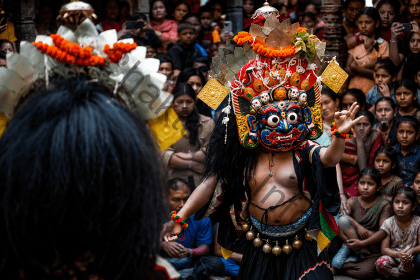
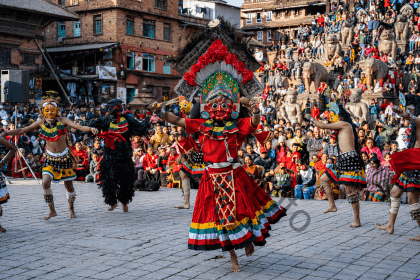
Pulukisi Jatra is one of the most unique and culturally significant traditional festivals celebrated in Nagadesh (Naga Desh), Madhyapur Thimi Municipality, Bhaktapur District, Nepal. Deeply rooted in Newar Buddhist traditions, the festival features the appearance of Pulukisi (पुलुकिसि)—a mythical white elephant believed to be the sacred mount of Lord Indra, the King of Heaven. The procession is an important part of the annual Yenya (Indra Jatra) celebrations and reflects centuries of living heritage preserved by the local Newar community.
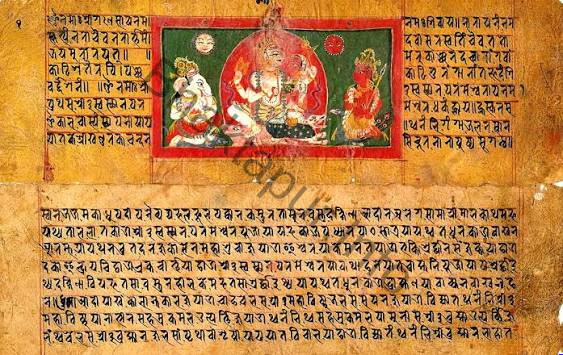
But Nagadesh (Naga Desh), Madhyapur Thimi Municipality, Bhaktapur District, Nepal in Based on the Swasthani Brata Katha, which is observed annually on Bhimadwadashi day, Pulukisi Jatra was discontinued for a number of reasons, including financial constraints. Beginning in the Siddi Ganesh temple yard in Lachitol, Nagadesh, the Jatra proceeded via the core of Vanni, Chhwas, Dhwaksi, Twaga, Nyagacha, and so on. Honored. According to him, the Swasthani Brata Katha tale of the elephant selecting Navaraj as the prince is being brought to life by this Pulukisi Jatra.
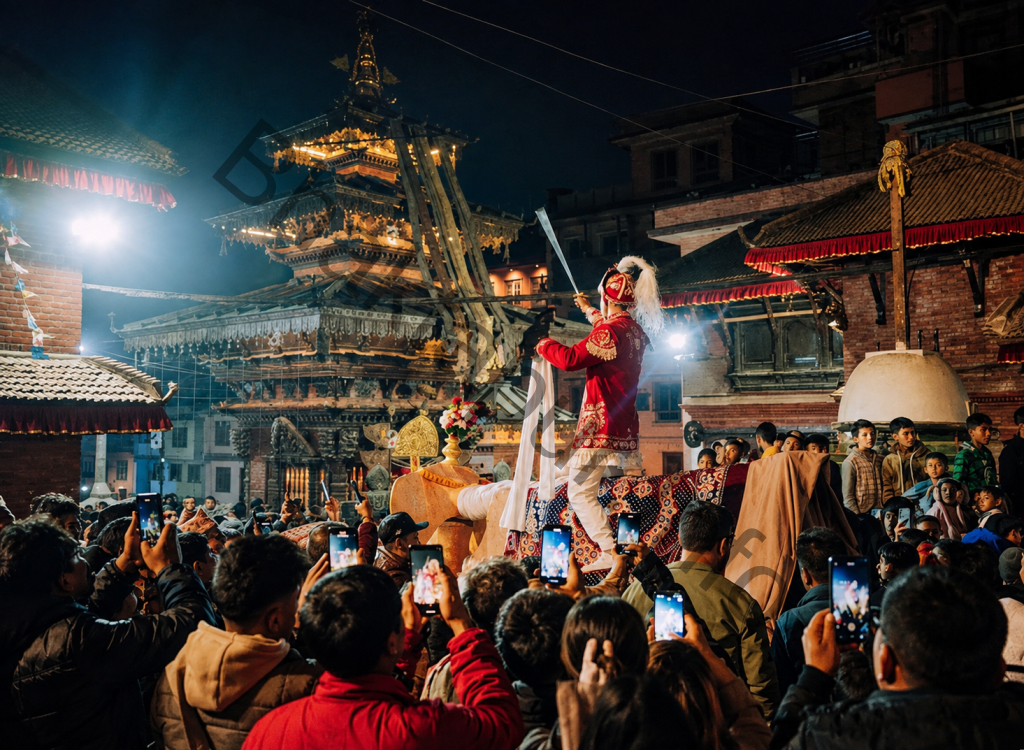
According to locals, the people of Nagadesh celebrate this Jatra by feasting on the prince’s election. Younger generations have a custom of fasting during this occasion while holding out hope for a suitable husband.
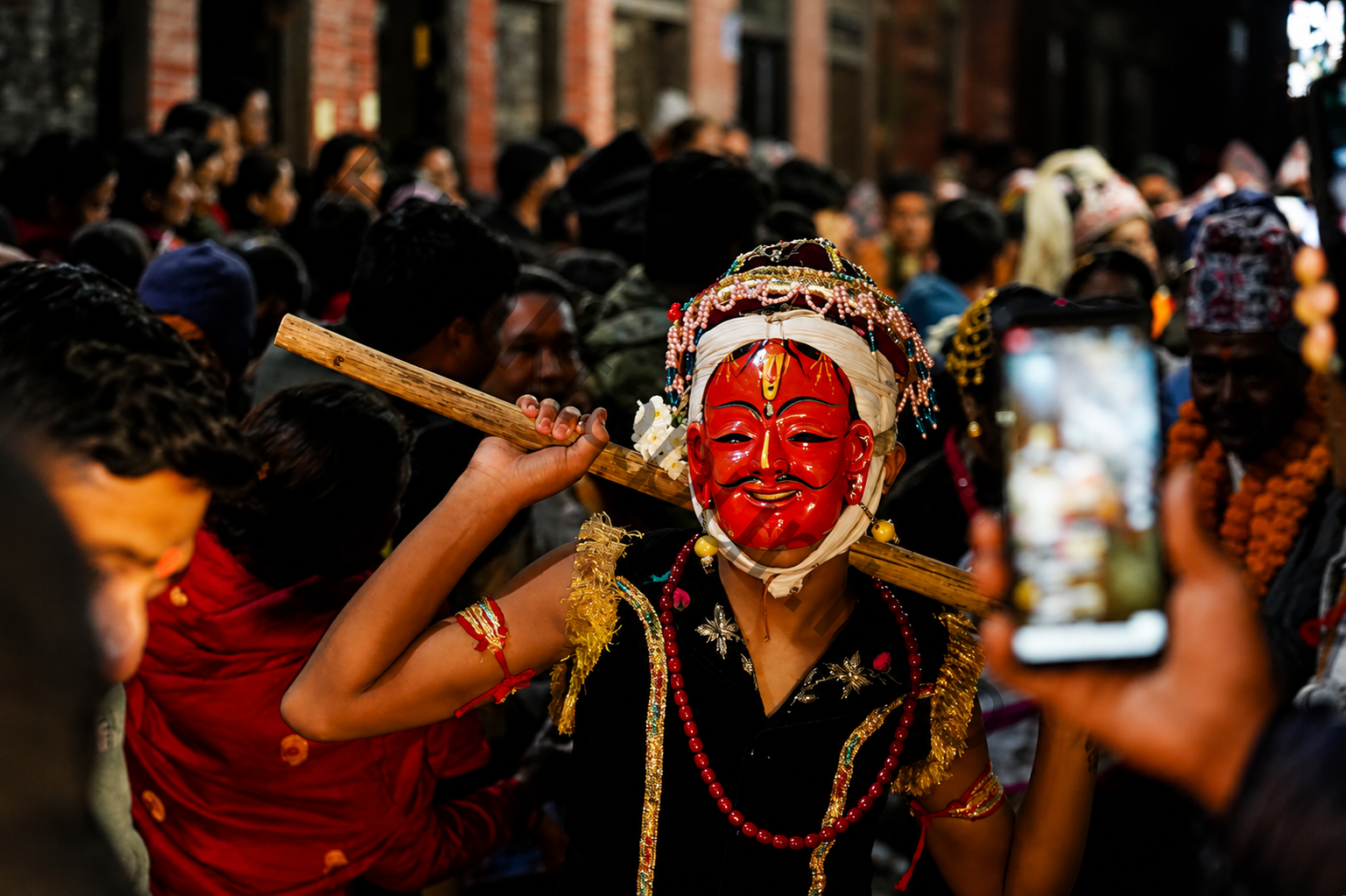
Pulukisi Jatra is observed in the context of Indrajatra in Kathmandu and Bhaktapur City but it is commemorated according to the Swasthani fast narrative in Nagadesh. One of the main historical dances performed in Nagadesh is the Pulukisi, also called the “Pulukisi Rāg.” The Swasthani Brata Katha, a sacred story read during the month-long Swasthani fast, serves as the inspiration for its dancing, costumes, and musical accompaniment.

Although Pulukisi Jatra is widely associated with Kathmandu, the celebration in Nagadesh has its own local identity, customs, and community participation, making it a treasured cultural event of the Bhaktapur Valley.
Meaning of Pulukisi
The word “Pulukisi” comes from the Nepal Bhasa (Newari) language:
- Pulu – White
- Kisi – Elephant
Together, Pulukisi means “White Elephant.”
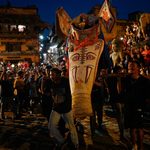
According to mythology, the elephant represents Airavata, the divine white elephant of Lord Indra. During the festival, two performers hidden inside a beautifully crafted elephant costume dance energetically through the streets, symbolizing Airavata searching for its master, who is believed to have descended to Earth during Indra Jatra.
Religious Significance
Pulukisi symbolizes much more than a festive performance. The white elephant represents:

- Divine strength and purity
- Protection from misfortune
- Blessings of Lord Indra
- Harmony between humans and nature
- Prosperity for the community
In Newar belief, receiving the blessings of Pulukisi during its procession is considered highly auspicious. Many devotees touch the elephant or bow respectfully as it passes through the neighborhood.
Community Participation
One of the most remarkable aspects of Nagadesh’s Pulukisi Jatra is the involvement of the entire community.
Preparations begin weeks before the festival. Local Guthis repair the elephant costume, organize musicians, clean temples, decorate streets, and coordinate rituals. Elderly residents pass down ceremonial knowledge, while younger generations actively participate in dancing, music, logistics, and crowd management.
This collective effort strengthens community bonds and helps preserve Nagadesh’s rich cultural identity.
Cultural Importance
Pulukisi Jatra is more than a religious festival—it is a celebration of Newar heritage. It showcases:
- Traditional Newar craftsmanship
- Ancient ceremonial music
- Living folklore and mythology
- Community cooperation
- Intangible cultural heritage preserved for centuries
The festival also attracts photographers, researchers, and visitors interested in experiencing authentic Newar traditions beyond the more widely known celebrations in Kathmandu.
Visiting Pulukisi Jatra
Visitors planning to witness Pulukisi Jatra in Nagadesh should respect local customs by:
- Wearing modest clothing.
- Asking permission before taking close-up photographs.
- Giving way to the procession.
- Respecting religious rituals and offerings.
- Following instructions from local volunteers.
The narrow traditional streets become vibrant with music, lights, and devotees, creating an unforgettable cultural experience.
Conclusion
Pulukisi Jatra of Nagadesh is a remarkable expression of the living heritage of the Newar community in Bhaktapur. Through the energetic dance of the sacred white elephant, ancient mythology comes alive, connecting generations through faith, music, craftsmanship, and communal celebration. While modern life continues to evolve, this cherished festival remains a powerful symbol of Nagadesh’s cultural identity, reminding both locals and visitors of the enduring traditions that make the Kathmandu Valley one of the world’s richest centers of living heritage.