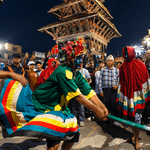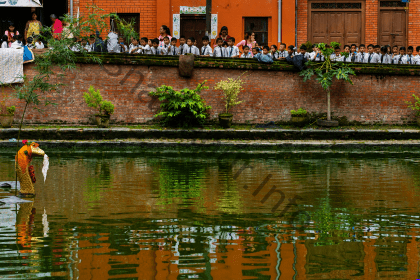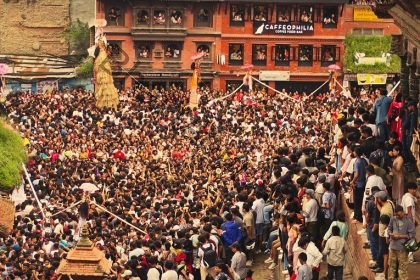


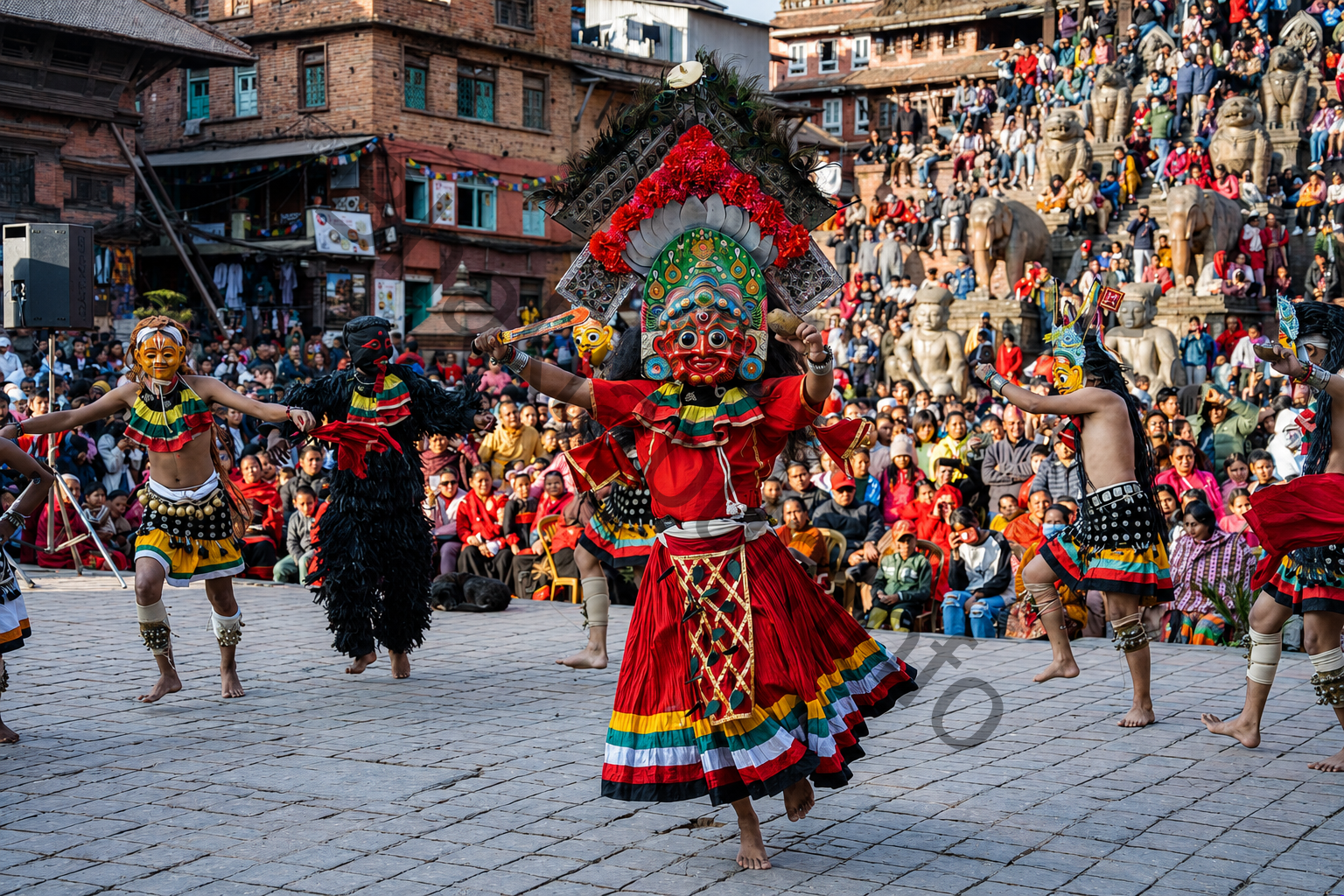

The three historic cities of Kathmandu, Patan, and Bhaktapur make up the Kathmandu Valley is much more than a destination of ancient temples, monasteries, palaces and historic squares. Its true identity lives in its festivals, rituals, traditions, indigenous skills and traditional materials that have been preserved and passed down from generation to generation. For centuries, the cultural life of the valley has been closely connected with nature, agriculture, local craftsmanship and community traditions.
Almost every month, communities across the Kathmandu Valley celebrate a festival, ritual or religious ceremony. From Gatthamuga Chahre to Sihithi Nakha in between Biska Jatra ,Chasu Punhi,Digu Puja,Sa: Paru (Gai Jatra), Nag Panchami, Gunla,Pulukisi,Mohani,Swanti and numerous local jatras, these celebrations are not simply annual events. Each has its own rules, symbols, traditional objects, materials, stories and social meaning.
However, this living cultural heritage is facing a growing challenge. Rapid urbanization, the disappearance of agricultural land, the shortage of public spaces, changing lifestyles and the declining availability of traditional materials are gradually weakening the foundation on which many of these traditions depend.

Traditional Materials Are Disappearing
Many traditional festivals of the Kathmandu Valley once depended on materials collected directly from the surrounding environment. Straw, reeds, bamboo, leaves, grasses, local plants, natural pigments, clay, cow dung, milk and other locally available materials played important roles in religious ceremonies and festival preparations.
These materials were not merely practical resources. They represented a close relationship between Newari culture, nature and community life.
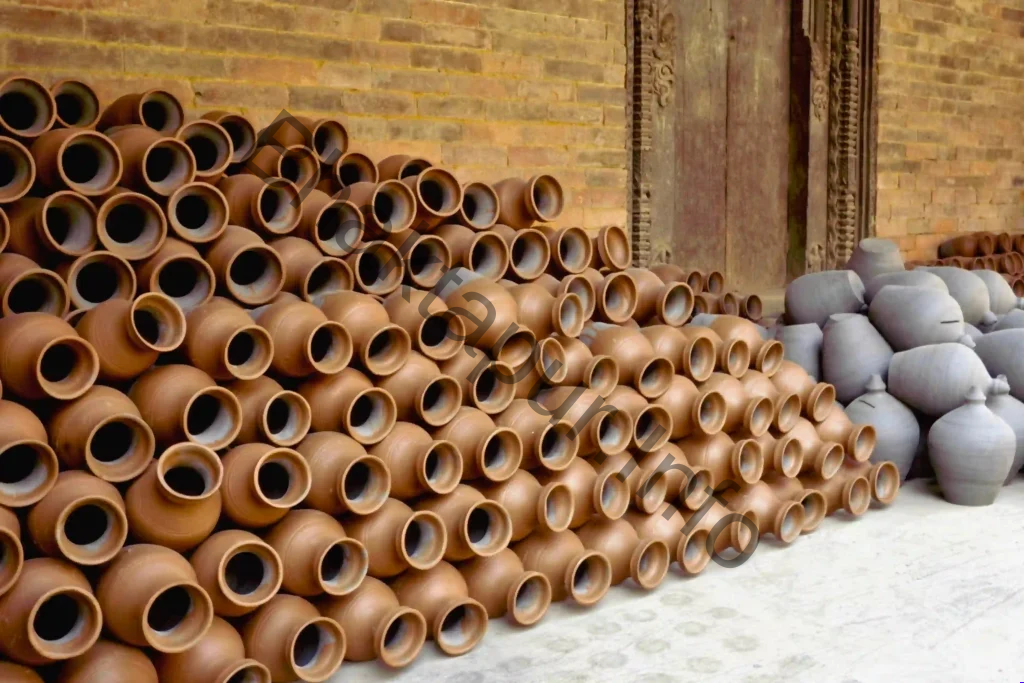
Today, however, finding many of these traditional materials has become increasingly difficult. Farmland and open spaces are disappearing as towns expand. Natural resources are becoming less accessible, while younger generations have fewer opportunities to learn the traditional skills required to prepare festival objects.
As a result, artificial and commercially available materials are increasingly replacing locally sourced materials. While these alternatives may be convenient, they can gradually change the original appearance, meaning and character of traditional celebrations.
Gathamuga and the Changing Tradition
The changing availability of traditional materials can be clearly seen during Gathemangal (Gathamuga), one of the important traditional festivals observed in the Kathmandu Valley.

In the past, materials such as straw, reeds, bamboo, local grasses and various plants were more readily available. Communities used these resources to create traditional figures, decorations and structures associated with the festival. The process itself brought together local knowledge, craftsmanship and community participation.
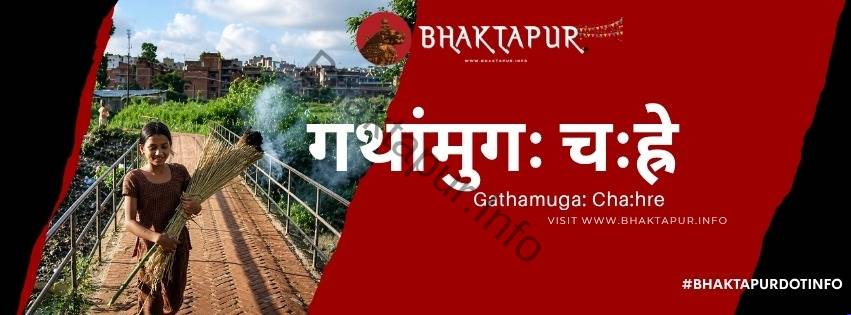
Today, many of these materials are difficult to obtain, particularly in rapidly urbanizing areas. In some places, traditional objects are being replaced with artificial decorations and printed materials.
The change is not simply about appearance. When traditional materials disappear, the knowledge of how to collect, prepare and use them can also disappear. Eventually, an important part of the intangible cultural heritage associated with the festival may be lost.
From Traditional Craftsmanship to Modern Substitutes
One visible example is the increasing use of printed flex and other synthetic materials for festival decorations. Instead of creating traditional crowns, figures and decorations using locally available materials, communities may find it easier and faster to use commercially printed alternatives.
Modern materials are not necessarily harmful in themselves. They can provide convenience and reduce preparation time. However, excessive dependence on artificial substitutes can weaken the connection between traditional craftsmanship and cultural festivals.
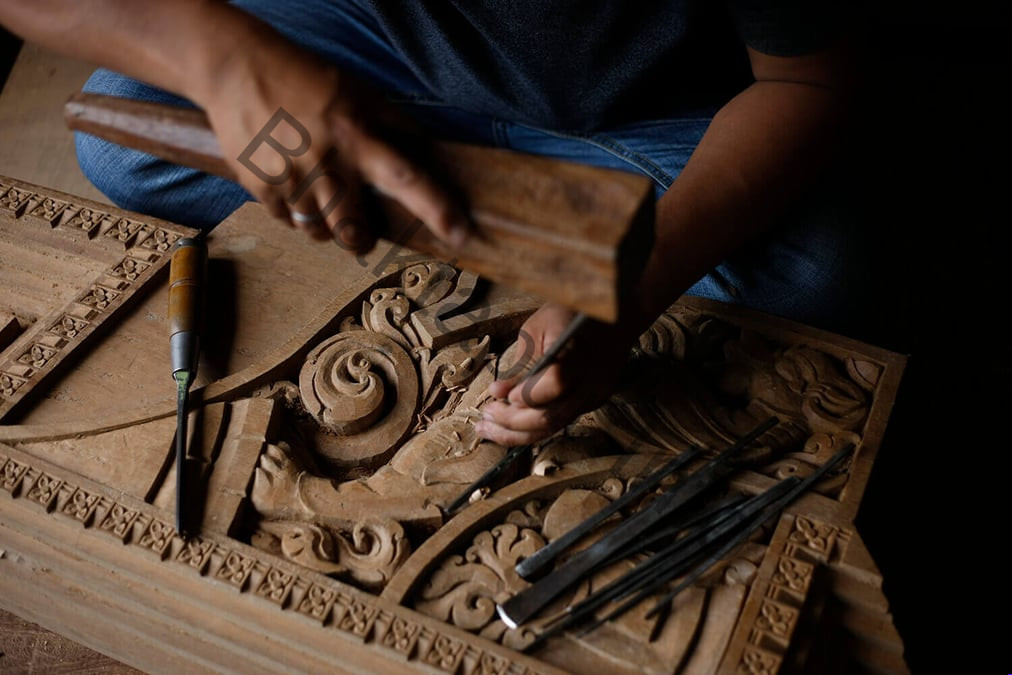
Traditional festivals are meaningful because they involve participation, preparation and knowledge passed from one generation to another. The process of making a festival object can be just as culturally important as the final object itself.
Gai Jatra: More Than a Festival
Gai Jatra (Sa:Paru) provides another important example of the connection between traditional materials, family memory and community identity.
Gai Jatra (Sa:Paru) is deeply associated with remembering loved ones who have died during the previous year. Traditional representations, decorations, clothing and festival objects are used by families and communities as part of the procession and rituals.
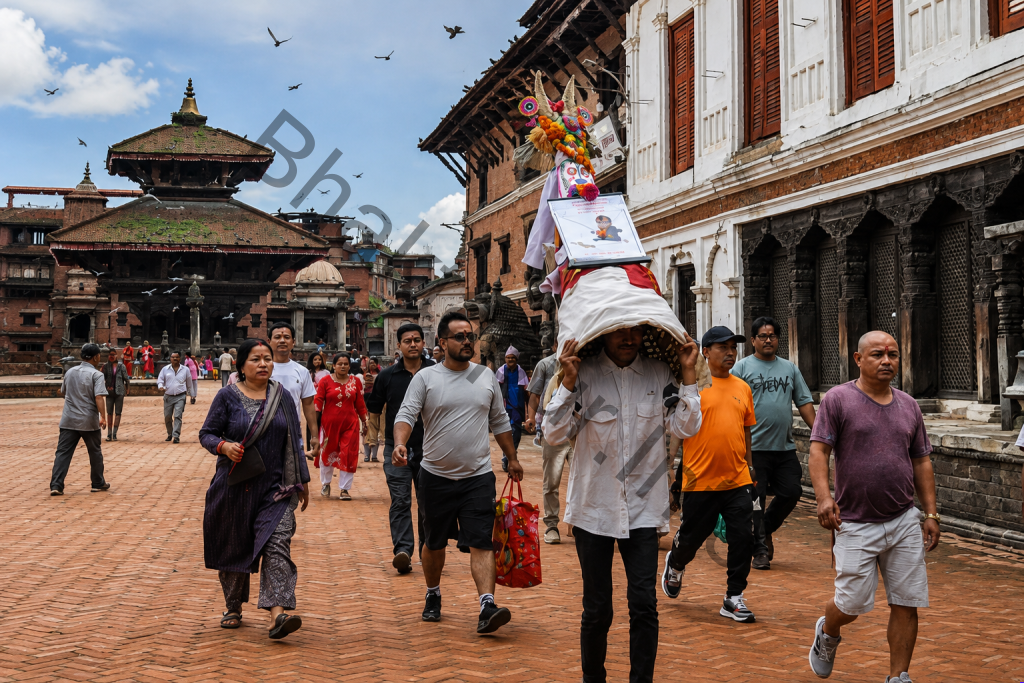
These objects should not be understood merely as entertainment or colorful festival decorations. They can carry powerful meanings related to memory, mourning, family, spiritual beliefs, purification and community expression.
Traditional materials used during Gai Jatra (Sa:Paru) have therefore played an important cultural role. As these materials and the skills needed to prepare them become less accessible, preserving the knowledge surrounding them becomes increasingly important.
Nag Panchami and the Loss of Natural Materials
Traditional rituals associated with Nag Panchami also demonstrate the historic relationship between culture and locally available resources. Natural materials, including cow milk and cow dung in certain traditional practices, have traditionally been associated with religious observances and household rituals.
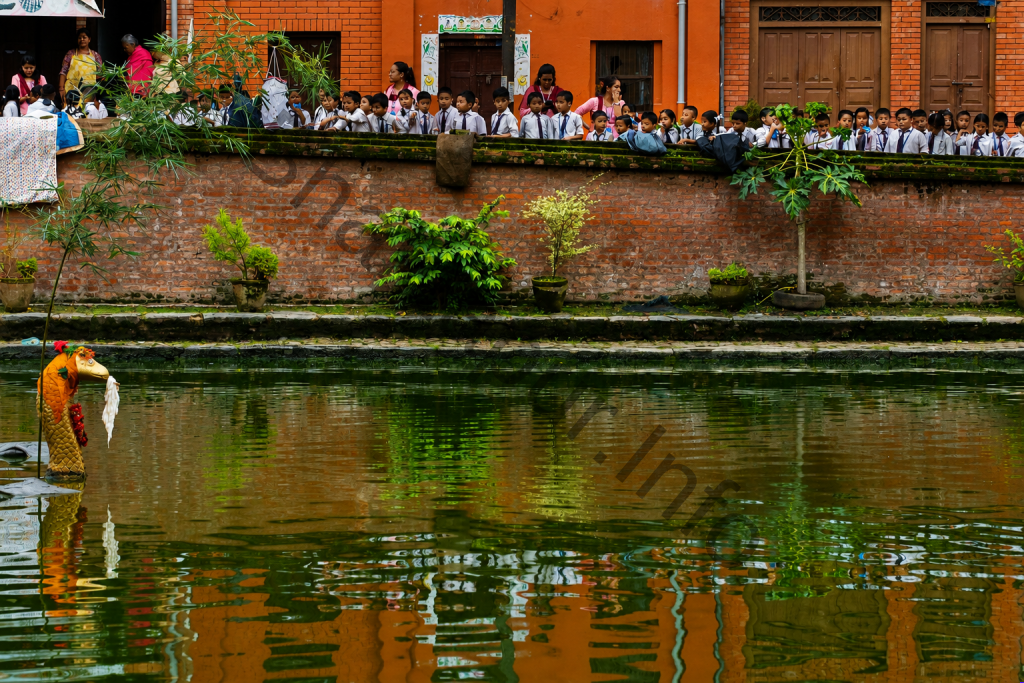
Changes in agriculture, livestock practices, urban living and access to traditional resources mean that some families now find it difficult to maintain older forms of these practices.
This does not mean that culture is disappearing completely. Rather, it is changing. The challenge is to ensure that modernization does not completely erase the knowledge, symbolism and traditional practices that make the cultural heritage of the Kathmandu Valley unique.
Why Traditional Skills Matter
Cultural heritage is not limited to monuments such as temples, palaces and courtyards. The knowledge of making, preparing and using traditional objects is itself heritage.
A person who knows how to prepare a festival structure from natural materials possesses knowledge that may have taken generations to develop. Such knowledge includes understanding local plants, traditional construction techniques, religious symbolism, craftsmanship and community customs.
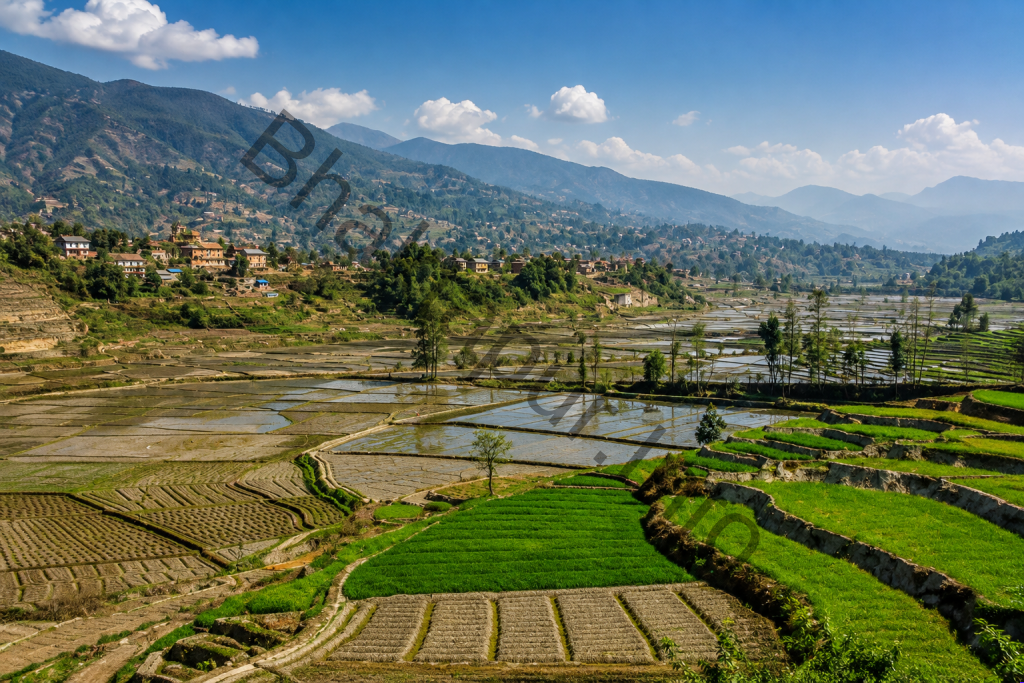
When experienced craftspeople stop practicing and younger generations do not learn these skills, the knowledge can disappear within a single generation.
For this reason, cultural preservation should focus not only on protecting historic buildings but also on protecting the people, skills, materials and community practices that keep festivals alive.
Urbanization and the Future of Kathmandu Valley Culture
The rapid transformation of the Kathmandu Valley presents another major challenge. Agricultural fields, open spaces, ponds and traditional community areas are gradually being replaced by roads, buildings and modern development.
This transformation affects cultural practices in unexpected ways. When agricultural land disappears, traditional plants and natural materials may become difficult to find. When open spaces disappear, communities may lose places where festivals were traditionally prepared or celebrated.
The preservation of cultural heritage therefore requires a broader approach. Protecting a temple or historic building is important, but so is protecting the cultural landscape surrounding it.
Encouraging the Younger Generation
The future of Kathmandu Valley’s cultural heritage ultimately depends on the younger generation.
Young people should have opportunities to learn about local festivals, traditional crafts, indigenous materials and the stories behind community rituals. Schools, cultural organizations, local communities and heritage groups can play an important role by organizing workshops, demonstrations, documentation projects and intergenerational learning programs.
Digital media can also become a powerful tool for preservation. Documenting traditional skills through photographs, videos, interviews and educational articles can help create a permanent record for future generations.
Rather than presenting festivals only as tourist attractions, it is important to explain their history, cultural significance, traditional materials and community stories.
Preserving Living Heritage for Future Generations
The cultural heritage of the Kathmandu Valley is a living heritage. It survives not only in temples and monuments but also in the hands of craftspeople, the memories of elders, the preparation of festival objects and the participation of local communities.
Preserving this heritage does not mean rejecting modern development. It means finding a balance between modernization and cultural continuity.
Traditional materials should be documented and, where possible, cultivated or sustainably sourced. Indigenous skills should be taught to younger generations. Communities should have appropriate spaces for festivals and rituals. Most importantly, the stories and meanings behind these traditions should continue to be shared.
The future of Kathmandu Valley’s cultural heritage depends on recognizing that festivals such as Gathemangal, Biska Jatra, Gai Jatra and Nag Panchami are more than colorful annual celebrations. They are expressions of history, community, spirituality, craftsmanship and a long-standing relationship between people and nature.
If the materials disappear, the skills disappear; if the skills disappear, the traditions gradually lose their original character. Protecting these traditions today means protecting the cultural identity of Kathmandu Valley for generations to come.
Conclusion
Kathmandu Valley’s greatest heritage is not only its ancient architecture but the living traditions that continue to connect people with their ancestors, communities and natural environment. Preserving festivals, rituals, traditional materials and indigenous skills is therefore essential to protecting the valley’s cultural identity.
As modernization continues, communities must make conscious efforts to document, teach and practice these traditions. By valuing local materials, supporting traditional artisans and encouraging young people to participate, we can ensure that the cultural heritage of Kathmandu Valley remains alive—not simply as a memory of the past, but as a meaningful part of the future.