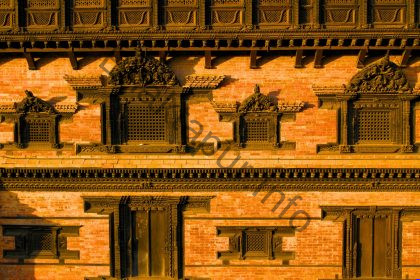


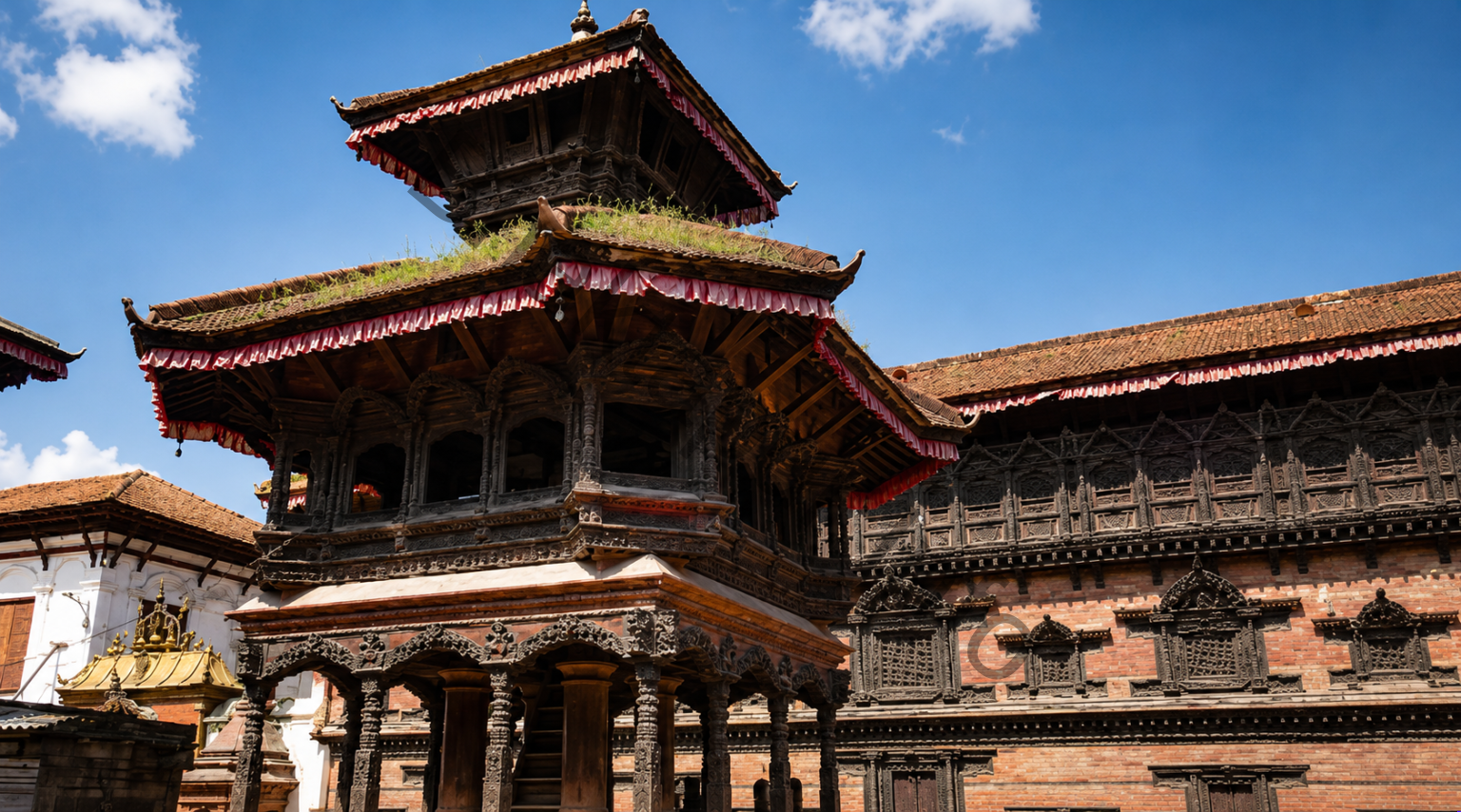

Standing proudly in the heart of Bhaktapur Durbar Square, Chyasilin Mandap, locally known as Chyasing Madap, is one of the finest examples of traditional Newari architecture and craftsmanship. The magnificent multi-tiered pavilion has become a symbol of Bhaktapur’s resilience, cultural pride, and dedication to preserving its historic heritage. Located opposite the Fifty-Five Window Palace and near the famous Golden Gate, the structure serves as a focal point for visitors exploring the UNESCO World Heritage Site.
Historical Background
The original Chyasilin Mandap was constructed during the reign of King Bhupatindra Malla (1696–1722), one of Bhaktapur‘s greatest patrons of art, architecture, and culture. The name “Chyasilin” translates to “Eight Corners and Eight Sides,” referring to the pavilion’s unique octagonal design. Built as a ceremonial and public gathering pavilion, it reflected the artistic sophistication of the Malla period, when Bhaktapur flourished as a center of architecture, sculpture, and urban planning.
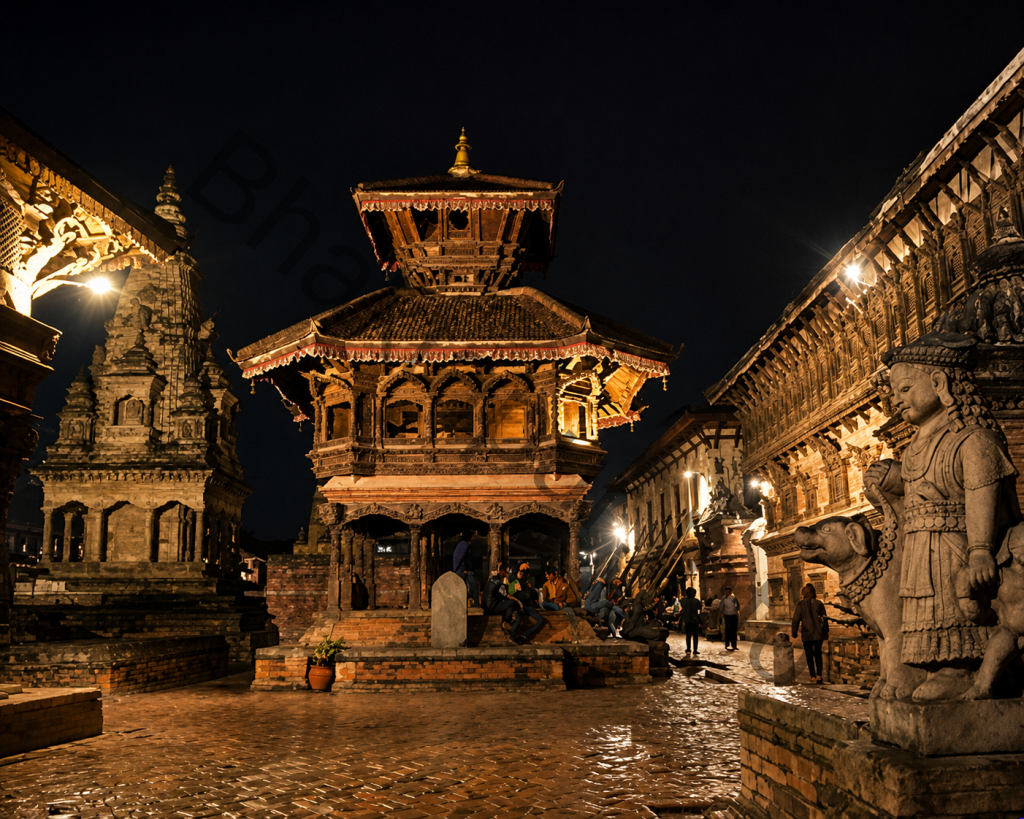
For centuries, Chyasilin Mandap stood as a prominent landmark in Bhaktapur Durbar Square, hosting social gatherings, religious events, and cultural activities. Its elegant wooden carvings, intricately decorated struts, and harmonious proportions made it one of the most admired monuments in the Kathmandu Valley.
Destruction and Loss
In 1934, a devastating earthquake struck Nepal, causing extensive damage throughout the Kathmandu Valley. Chyasilin Mandap collapsed completely during the disaster, leaving only memories, historical photographs, sketches, and architectural records. For decades, the square remained without one of its most iconic monuments, creating a noticeable gap in the historic urban landscape of Bhaktapur.

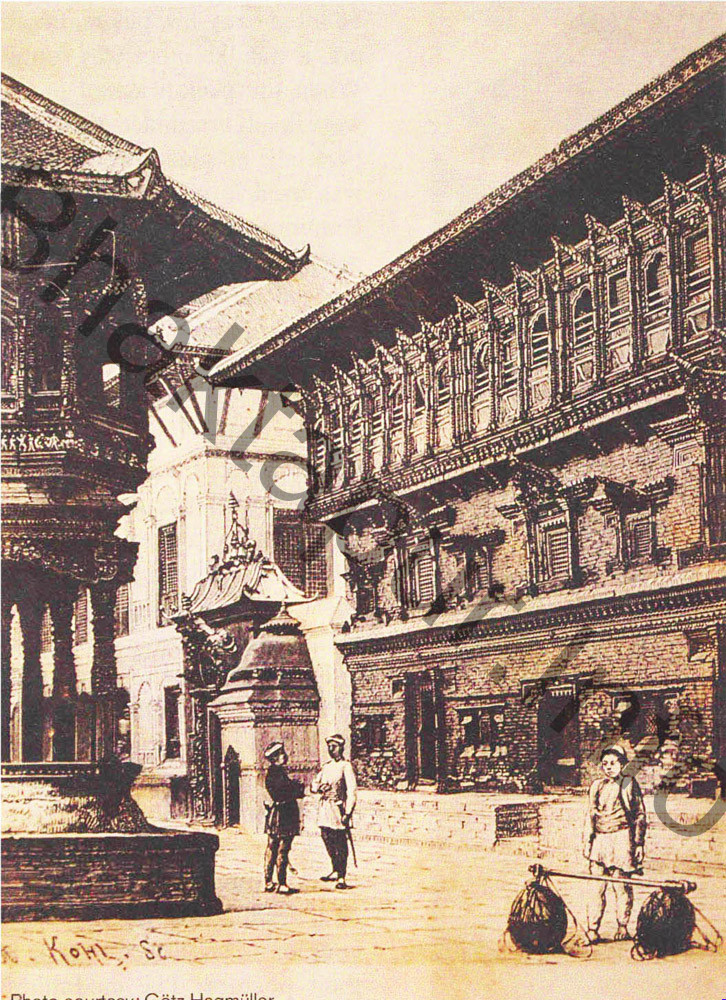
Despite the loss, local residents, historians, and conservationists never forgot the significance of the pavilion. Historical photographs and documentation preserved its memory and provided valuable references for future restoration efforts.
Reconstruction and Revival
After decades of planning and research, Bhaktapur Municipality undertook the ambitious task of rebuilding Chyasilin Mandap. Using historical photographs, architectural drawings, traditional construction techniques, and the expertise of local Newar artisans, reconstruction began in the early 21st century.
The pavilion was meticulously rebuilt using traditional brick masonry, carved timber, and handcrafted architectural elements that closely matched the original structure. The project aimed not only to restore a lost monument but also to revive traditional craftsmanship and preserve cultural knowledge for future generations.
The reconstructed Chyasilin Mandap was completed and reopened to the public, becoming a remarkable example of successful heritage conservation in Nepal. Today, it stands as a testament to Bhaktapur’s commitment to safeguarding its cultural identity.
Architectural Features
Chyasilin Mandap is admired for its elegant multi-tiered roof, beautifully carved wooden columns, decorative struts, and symmetrical octagonal design. The pavilion showcases the highest standards of traditional Newar architecture, where aesthetics, spirituality, and structural engineering are harmoniously combined.

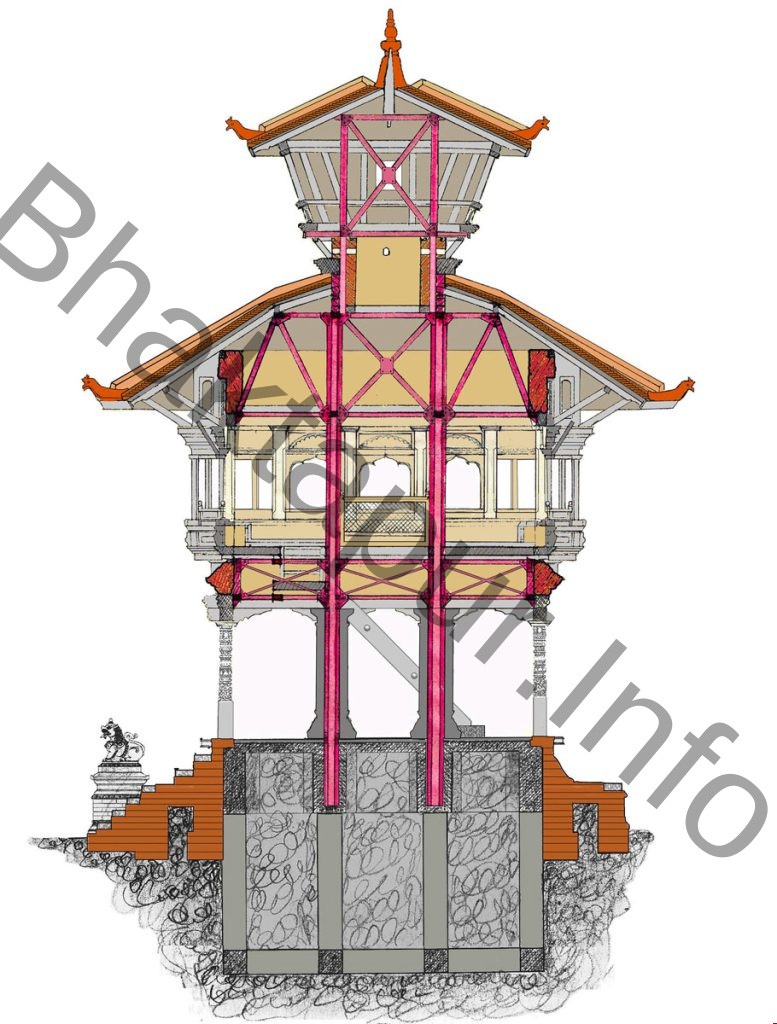
Visitors can observe intricate wood carvings depicting deities, mythical creatures, and floral motifs, all crafted by skilled local artisans. The elevated platform offers panoramic views of Bhaktapur Durbar Square, making it one of the most photographed structures in the city.
Cultural Significance Nowdays
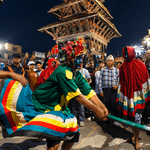
Chyasilin Mandap serves as a gathering place for locals and tourists alike. It hosts cultural performances, festivals, community events, and serves as a resting place for visitors exploring the historic square. The structure symbolizes Bhaktapur’s enduring spirit and its ability to recover from natural disasters while preserving centuries-old traditions.
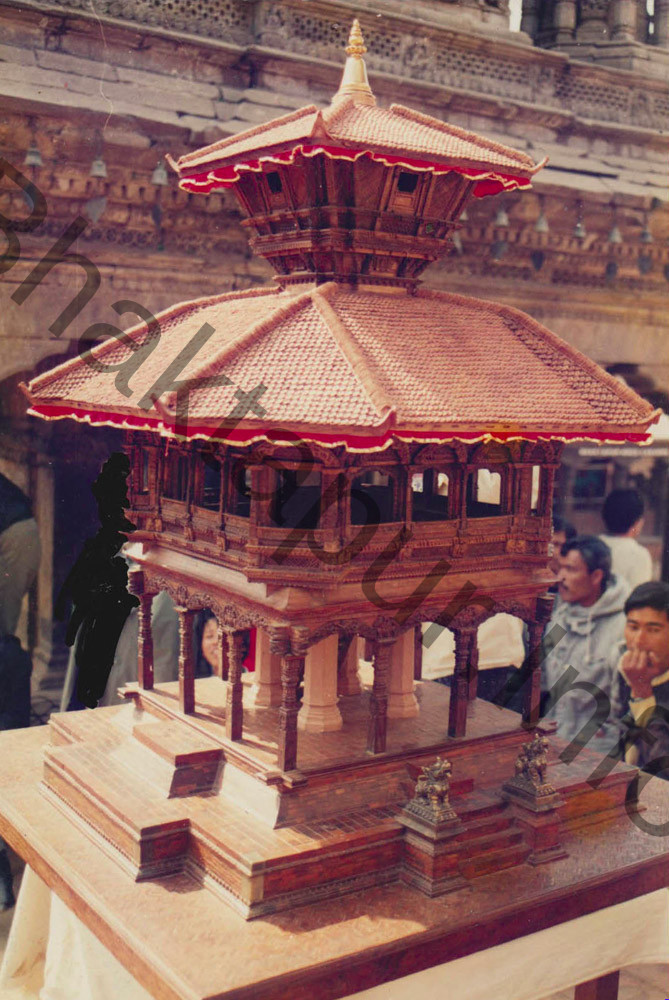
As one of the most successful heritage reconstruction projects in Nepal, Chyasilin Mandap demonstrates how traditional craftsmanship and modern conservation practices can work together to revive lost monuments. Its graceful silhouette once again enriches the skyline of Bhaktapur Durbar Square, ensuring that future generations can appreciate the artistic brilliance of the Malla era.
A Symbol of Resilience
More than just a historic pavilion, Chyasilin Mandap represents the resilience of Bhaktapur and its people. Rising from the ruins of the 1934 earthquake, it stands today as a powerful reminder that cultural heritage can be preserved, restored, and celebrated. For anyone visiting Bhaktapur, a stop at Chyasilin Mandap offers an opportunity to experience the city’s rich history, remarkable architecture, and enduring cultural legacy.