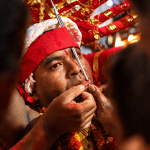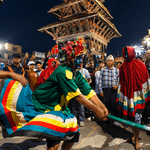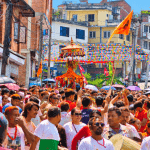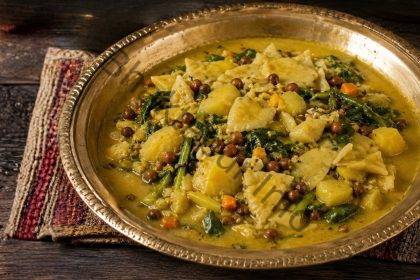




Sithi Nakha (सिठी नखः) is one of the most important traditional Newar festivals celebrated in Bhaktapur and throughout the Kathmandu Valley. In Bhaktapur, the festival combines religious worship, environmental conservation, and community bonding.
When is Sithi Nakha celebrated?
- It falls on the 6th day of the bright lunar fortnight (Shukla Paksha) of the month of Jestha (May–June).
- The name comes from:
- Sithi (Shashthi) = sixth day.
- Nakha = festival in Nepal Bhasa.
Importance in Bhaktapur
1. Cleaning water sources
The most distinctive feature of Sithi Nakha in Bhaktapur is the communal cleaning of:
- Wells (Inar)
- Stone spouts (Hiti)
- Ponds (Pukhu)
- Traditional water channels
Historically, this was done just before the monsoon to ensure a clean water supply and prepare for the farming season. Local Guthis and neighborhoods worked together to remove mud and debris.
2. Worship of Lord Kumar
The festival is dedicated to Kartikeya, the son of Shiva and Parvati, and is also known as Kumar Shashthi.

Families:
- Offer prayers to Kumar.
- Draw a sacred symbol called Pikhalakhu outside their homes.
- Seek protection from illness during the coming rainy season.
Special traditions in Thimi
A unique Madhyapur-Thimi ,Bhaktapur custom is the carrying of the palanquin of Lokeshwor Karunamaya of Madhyapur Thimi around the area of Garcha-Tole To Maru-Tole. This local tradition distinguishes Madhyapur-Thimi‘s celebration from other parts of the Madhyapur-Thimi.
Traditional foods
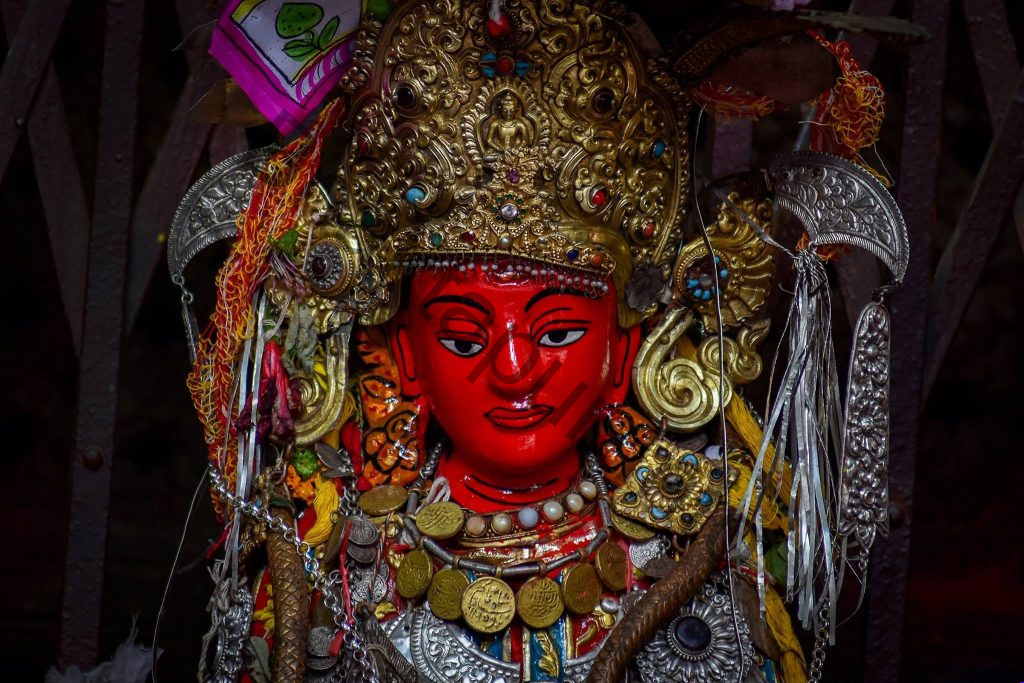
Families prepare festive Newar dishes, including:
- Wo (Bara) – often made from several varieties of lentils.
- Chatamari.
- Samay Baji and seasonal vegetables in many households.
These foods are believed to provide nutrition and strength for the monsoon season.
Connection with Digu Puja
In many Bhaktapur Newar families:

- Sithi Nakha marks the conclusion of the annual Digu (Dewali) Puja period.
- Families gather to worship their ancestral deities and share a communal feast.
Cultural significance
Sithi Nakha reflects the traditional Newar belief that:
- Nature and community are interconnected.
- Water sources should be maintained collectively.
- Religious practice should contribute to public welfare.
Stone inscriptions from medieval Bhaktapur indicate that cleaning public wells, stone spouts, pathways, and temples on this occasion was an established civic duty.
Sithi Nakha in Bhaktapur at a glance
| Aspect | Tradition |
|---|---|
| Main deity | Lord Kumar (Kartikeya) |
| Time | Jestha Shukla Shashthi (May–June) |
| Main activity | Cleaning wells, ponds, and stone spouts |
| Special Madhyapur-Thimi custom | Lokeshwor Karunamaya of Madhyapur Thimi palanquin procession at Garcha-Tole To Maru-Tole |
| Traditional foods | Wo (Bara), Chatamari, Samay Baji |
| Cultural meaning | Water conservation, ancestral worship, and preparation for the monsoon |
In Bhaktapur, Sithi Nakha is not only a religious festival but also an example of how traditional Newar culture integrated environmental stewardship with everyday community life.