


The Cultural and Tantric Significance of ‘Mohani Nakha’ and the Black Tika (‘Mohani Sinha’) in Newar Culture: Mohani Nakha’ (Dashain) is one of the important cultural festivals of the indigenous Newar community of Nepal. It is very similar to the Dashain festival celebrated throughout Nepal, but the Newar community has its own rituals, lifestyle, Tantric beliefs, and traditions. The most important and striking feature of the festival, called the ‘Mohani Sinha’, which makes this festival different from the Dashain celebrated by other communities, is the black tika that is applied on the forehead.
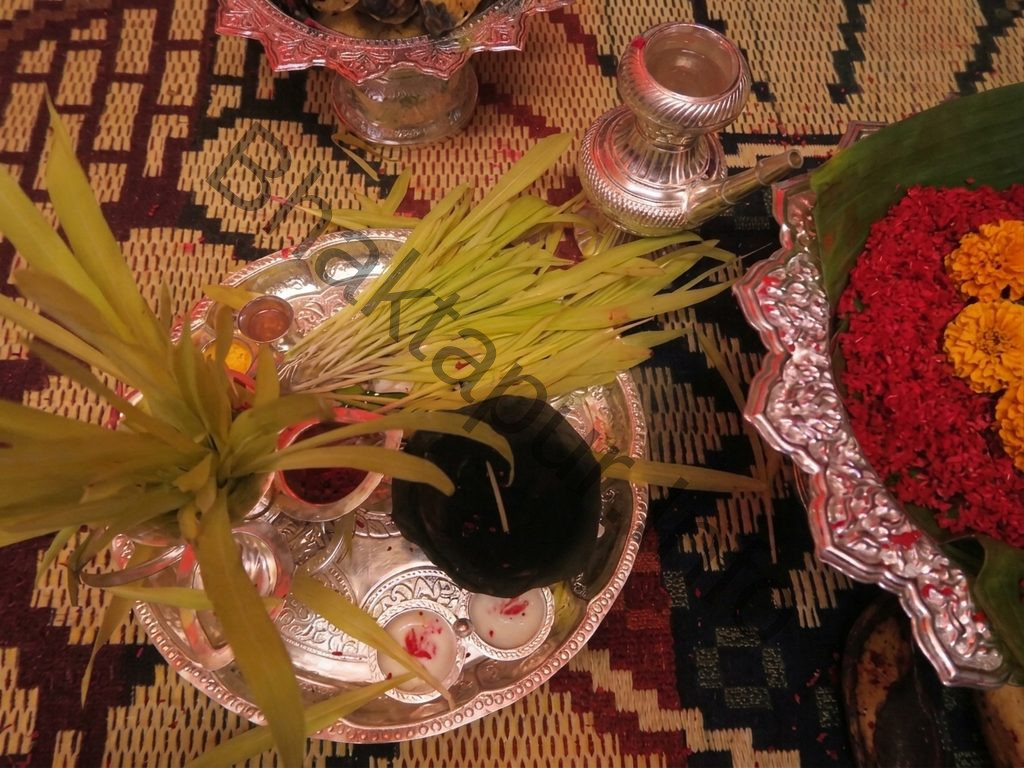
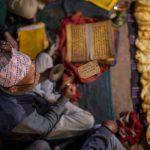
The Mohani Nakha officially begins on ‘Kaulathwa Paru’ (Ghatasthapana) as per the Newar lunar calendar. Barley seeds are sown on this day (this is called “Na:la Swa:” locally) both in individual homes and also in the dedicated ancestral worship rooms (kul-puja kotha).
This autumn season (falling in the months of Ashoj or Kartik) nature itself takes on a vibrant, celebratory atmosphere. The festival starts with Ghatasthapana and concludes on Kojagrat Purnima via Vijaya Dashami with a lot of cultural rituals, worship activities, and family get-togethers. The festival is not only a celebration but involves worship of ancestral deities (Mohani Dyah) and different Shaktipeeths (sacred sites of feminine divine power) and practice of Tantric rituals.
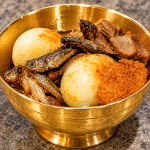
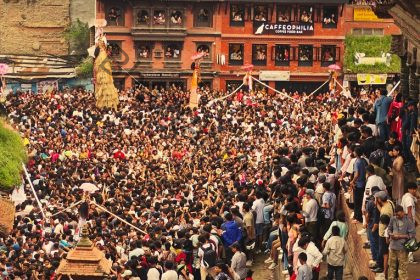
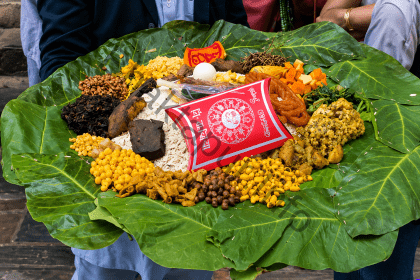
Special prayers and rituals are performed at these Shaktipeeths on the days of Maha Ashtami and Maha Navami with traditional music and customary rites. Moreover, all the family members gather at the ancestral home, the kul ko mukhya ghar and sit in rows and have the Kuchibhway (a special family feast), which is a custom that promotes family unity and harmony.
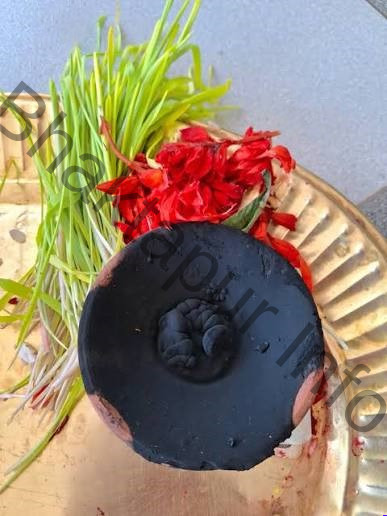
The black tika or Mohani Sinha in the Newari language is the most characteristic and defining feature of Mohani Nakha, which is received as prasada (a blessed offering) from elders on the day of Vijaya Dashami.
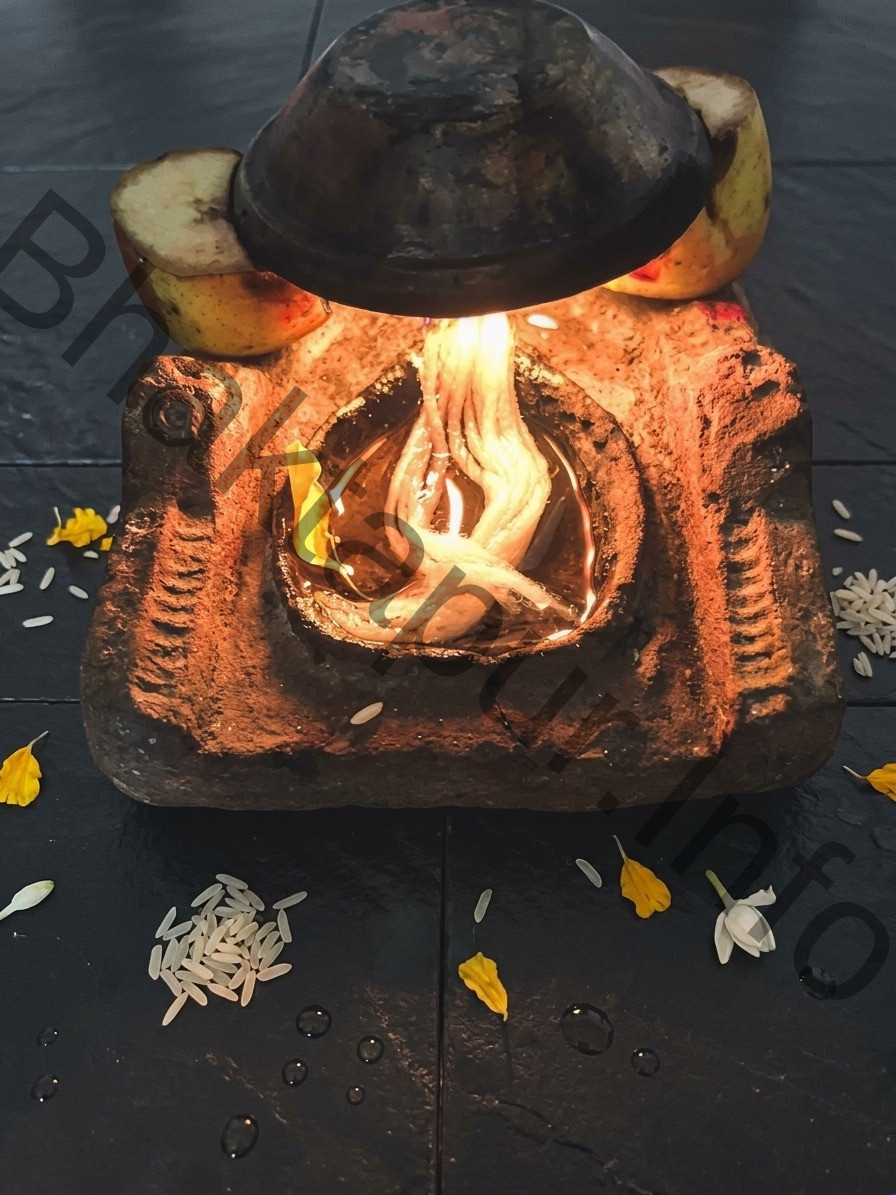
- Preparation and Ritual: This black tika is not prepared in a customary way. Rather it is prepared with the help of specific tantric rituals and worship. It has the smoke of oil lamps, other holy herbs, camphor and bits of things offered in the puja (worship).
- Application: On the day of Vijaya Dashami, the tradition starts with the application of the deep black Mohani Sinha right in the center of the forehead. It is then encircled or layered with akshata (sacred unbroken rice grains), yoghurt, a red or saffron coloured tika and jamara (sprouted barley shoots). These elements on the background of the black tika add to the grandeur of the festival.
- Tantric and Religious Significance: In tantric philosophy, black signifies the infinite power and energy of the universe, representing the force of destruction and the power of protection. It is commonly held that Mohani Sinha gives protection against unseen negative energies and obstacles created by enemies and bad fortune and also gives divine strength. It is not just a pigment but a powerful tantric blessing passed down through generations.
Mohani Nakha is a religious ritual, but also a great way to bring social and cultural harmony. This festival concludes on the nite of Kojagrat Purnima, when the Goddess is worshipped throughout the nite and a Akashdeep (called Swan Dya: in Newari language) is lit.

The Newar community celebrates Mohani Nakh: with great zeal, despite the influence of modernity and the pressures of a busy lifestyle, preserving their ancestral traditions, language, attire, and customs. Mohani Nakh:—and the associated Kalo Tika (black tika)—still beautifully captures the unique confluence of Newar civilization, Tantric traditions, and brotherhood.