
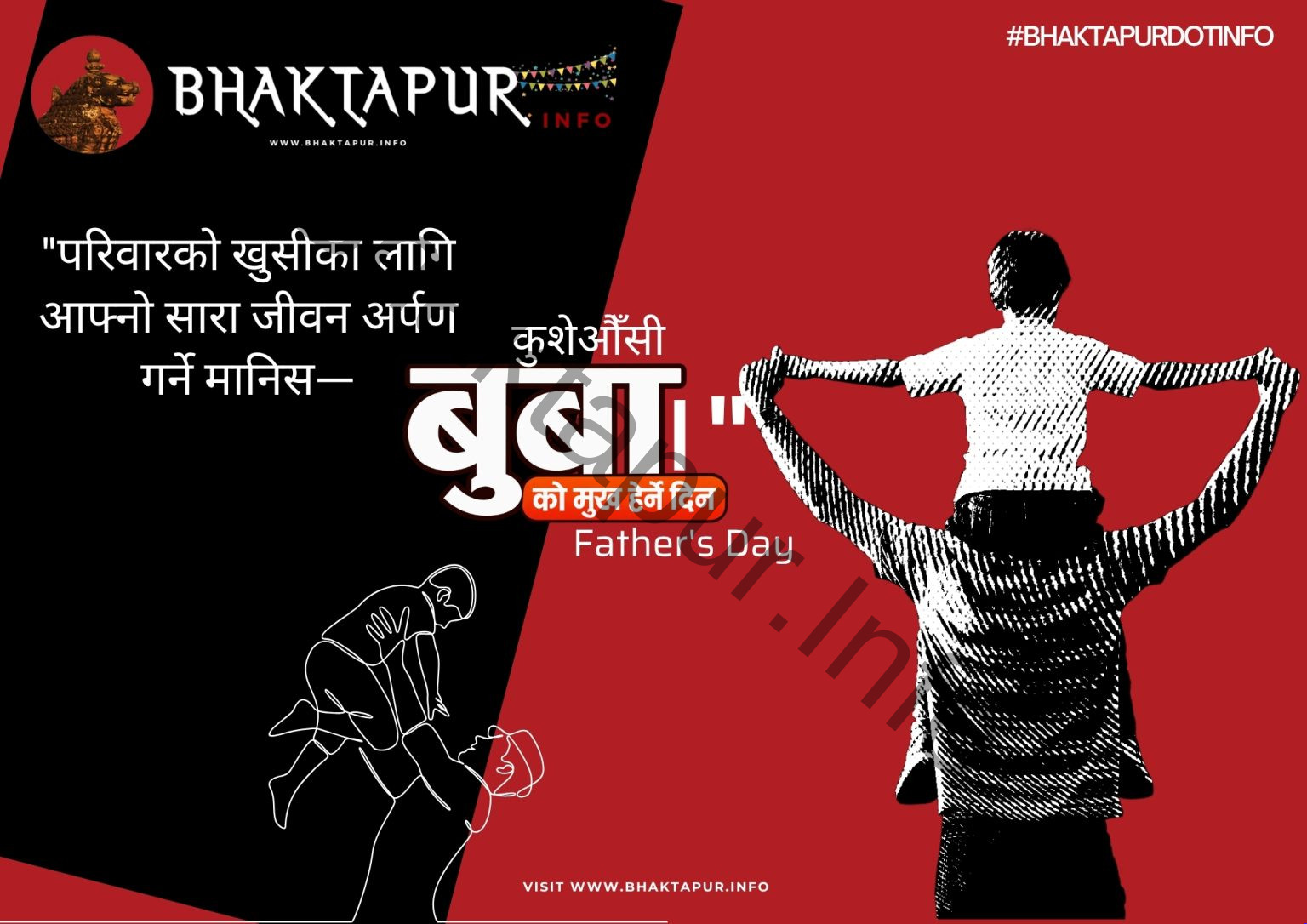
Buba Ko Mukh Herne Din( बुबाको मुख हेर्ने दिन) is a special Nepali festival dedicated to honoring fathers. It is observed on Bhadra Krishna Aunsi, the new-moon day in the month of Bhadra, and is also called Kushe Aunsi, Gokarna Aunsi, and Pitri Aunsi.
On this day, children express gratitude and respect to their fathers by:
- Visiting them
- Offering new clothes, fruits, sweets, and gifts
- Receiving their blessings
Families often prepare special meals and spend meaningful time together to celebrate the occasion.
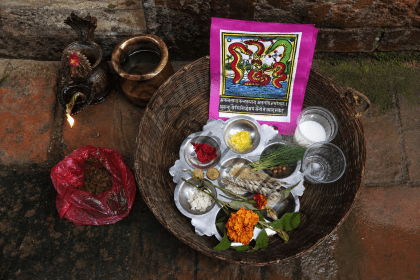
The day is a significant time for those whose fathers have died to remember and pay tribute to their ancestors through customs, prayers, charity, and offerings. This festival is especially connected to Gokarna in Kathmandu, where devotees congregate to carry out religious rites and honor departed dads and ancestors.

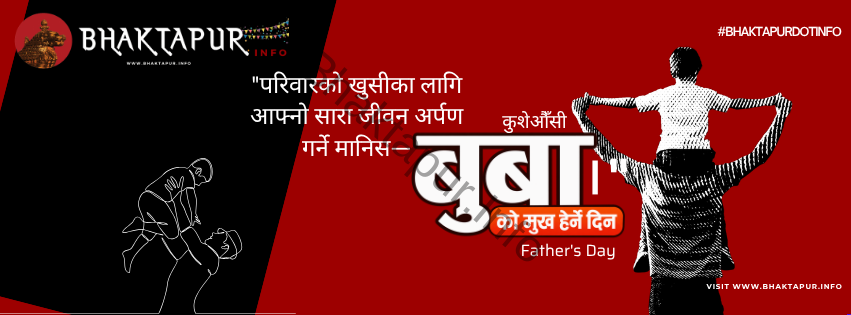
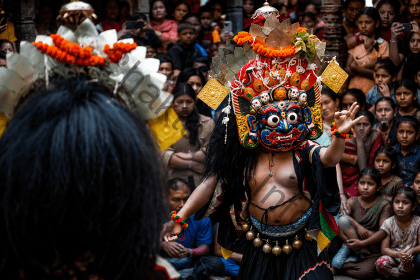
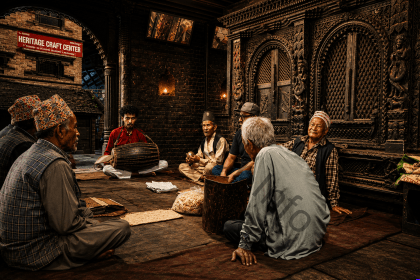
Such family customs can be observed in the lovely cultural backdrop of Bhaktapur‘s old neighborhoods. Along with the city’s old temples, courtyards, bahals, and traditional Newar communal life, the festival represents the city’s living legacy, where traditions are passed down from one generation to the next.
Beyond its religious customs, Buba Ko Mukh Herne Din( बुबाको मुख हेर्ने दिन) honors fathers’ devotion, selflessness, leadership, and diligence. It serves as a reminder that gratitude for parents should be shown throughout life, not just on a single holiday. Giving gifts is not the only aspect of the day. It serves as a reminder of the love, sacrifice, diligence, safety, and direction that fathers give their children throughout their lives. Families take use of the occasion to get together, eat together, catch up with the elderly, and ask for their blessings.
Buba Ko Mukh Herne Din stands for respect for parents and the continuation of cultural values in Bhaktapur, where celebrations and family customs continue to play a significant role in communal life.