

Ganesh Chaturthi, which is celebrated on the fourth day (Chaturthi) of the bright lunar fortnight of Bhadra, is known by its Newar name, Chatha (चथा / चथाः). Chathā literally means “the fourth day” of the lunar calendar in Nepal Bhasa.
What Chatha means
The Newar/Nepal Bhasa method of determining the fourth lunar day is where the word “Chatha” (चथा / चथाः) originates. Thus, the celebration is linked to the fourth day of the waxing moon, Bhadra Shukla Chaturthi. In Newar culture, it is also known as Chatha Nakha or Chatha Chakh.
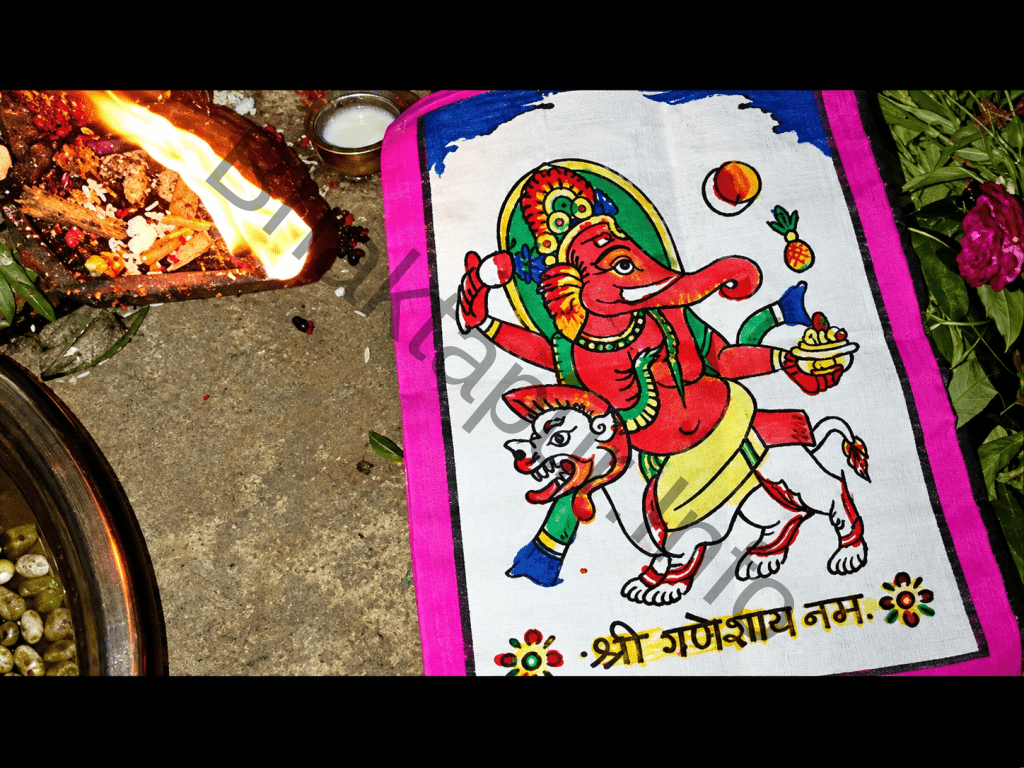
Origin of religion
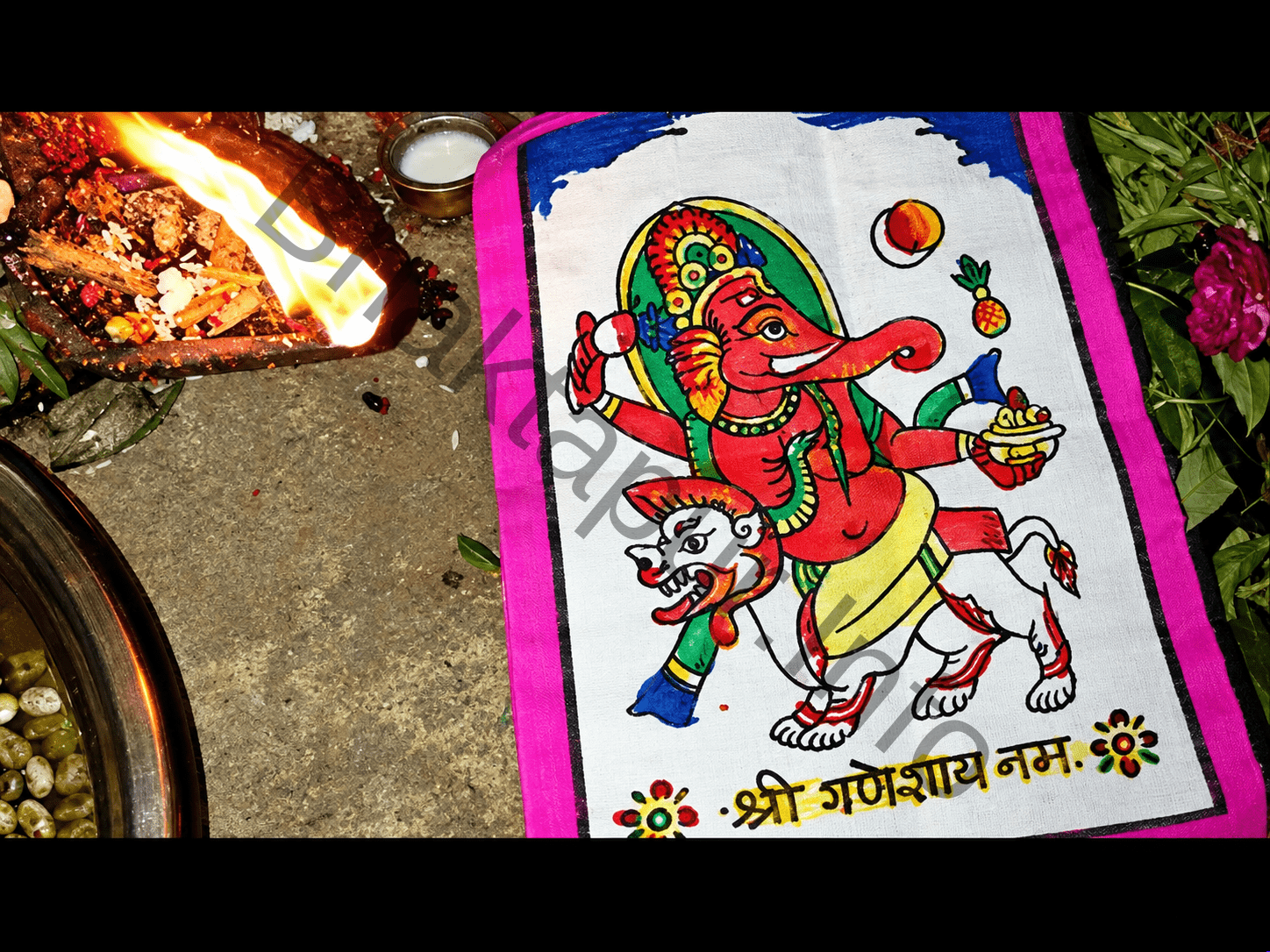
The birth of Lord Ganesha (Ganesh Chaturthi) is associated with Chatha. Ganesha is revered as the one who removes obstacles, and the celebration is customarily connected to the pursuit of protection, prosperity, wisdom, and success.
The Moon (Chandrama) is a very significant aspect of Chatha tradition. The popular narrative states that after the Moon made fun of him, Lord Ganesha became enraged. Then, on the night of Chatha, Ganesha cast a curse related to seeing the moon. Because of this, many Newar families have historically refrained from gazing at the Chatha moon for fear of being falsely accused of stealing.

Bhaktapur’s Chatha
Chatha is a significant Newar religious and cultural holiday in Bhaktapur and the larger Kathmandu Valley. In addition to preparing customary offerings, such as roasted grains and legumes, fruits, and other foods, families worship in the evening. One of the significant Ganesh shrines connected to worship on this occasion is Kamal Binayak in Bhaktapur.
Religious and Cultural Significance of Chatha (चथाः), also known as Chatha Chakh (चथाः / चखः) is the Newar celebration of Ganesh Chaturthi, which is observed on the fourth day of the brilliant lunar fortnight of Bhadra. It is also referred to as Chatha Chakh (चथाः / चखः) Newar populations in the Kathmandu Valley have developed unique home rituals and beliefs around the holiday, despite being associated with the broader Hindu worship of Lord Ganesha.
- Adoration of Lord Ganesha
Traditionally, Chatha is recognized as the anniversary of the birth of Lord Ganesha, the god of wisdom, wealth, good fortune, and the removal of barriers. For safety, prosperity, and fortunate beginnings, devotees ask Ganesha for his blessings.
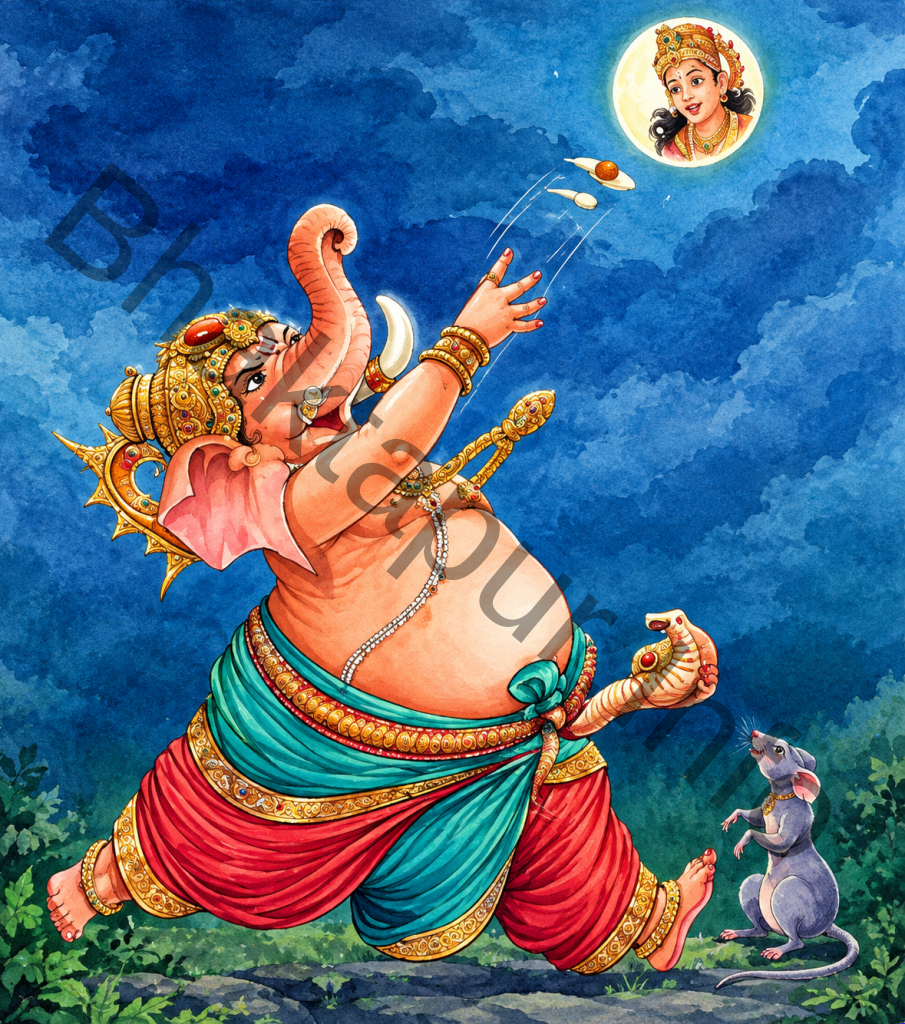
- The Moon and the conviction that false accusations
The bond between Ganesha and the Moon (Chandra) is one of Chatha’s most unique customs. The conventional narrative states that Ganesha grew enraged when the Moon made fun of him and cursed him for seeing the Moon on Chatha nite. Because it is thought to bring mithyā doṣa—a false charge, especially one of theft—Newar households customarily avoid staring directly at the Moon that evening.
- Defense against Chandra Dosha
Seeking solace from Chandra Dosha, or the detrimental effects of the Moon, is also connected to Chatha worship. Traditionally, ritual worship and offerings are seen as a means of obtaining protection, forgiveness, and release from unfounded accusations.

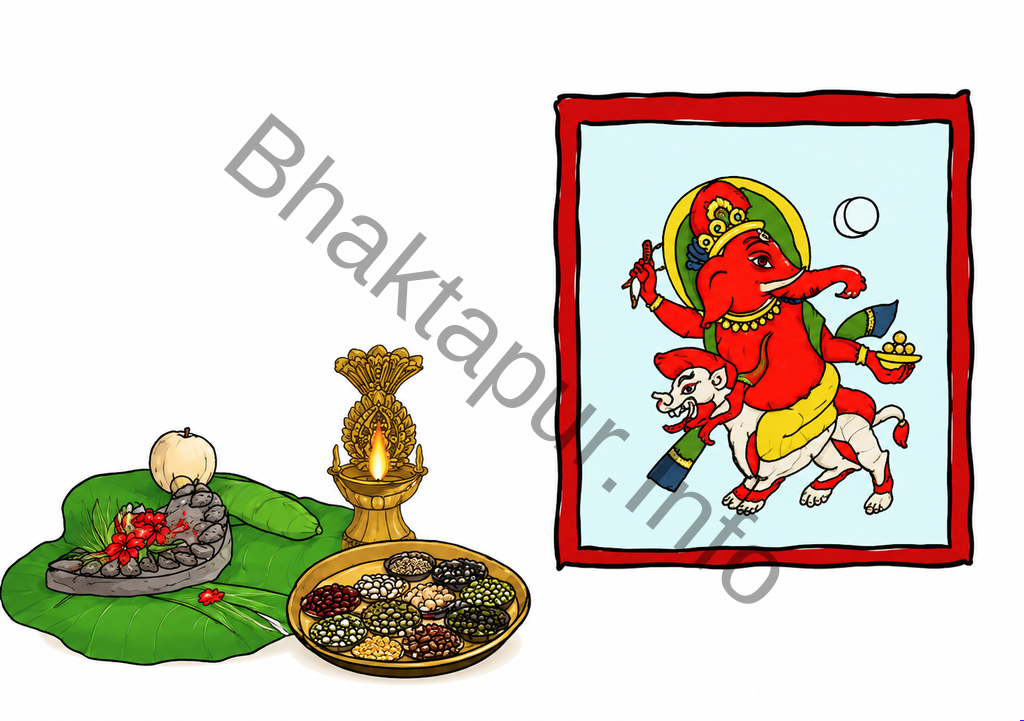
- A Newar custom that emphasizes family
In the Kathmandu Valley, Chatha is customarily observed within the home and family, in contrast to the widespread public celebrations prevalent in some other areas. The ritual’s intimate setting highlights the value of ancestral practices, family devotion, and the passing down of traditions from one generation to the next.
- Customary cuisine
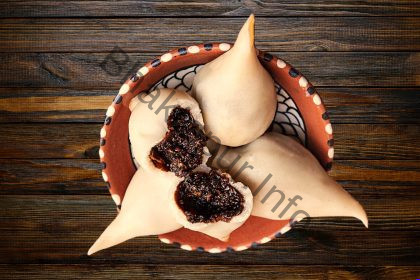
A significant component of Chatha culture is food. Offerings of grains, pulses, fruits, and flowers are prepared by families, and a special dish connected to the celebration is halimali, a blend of roasted grains and pulses.
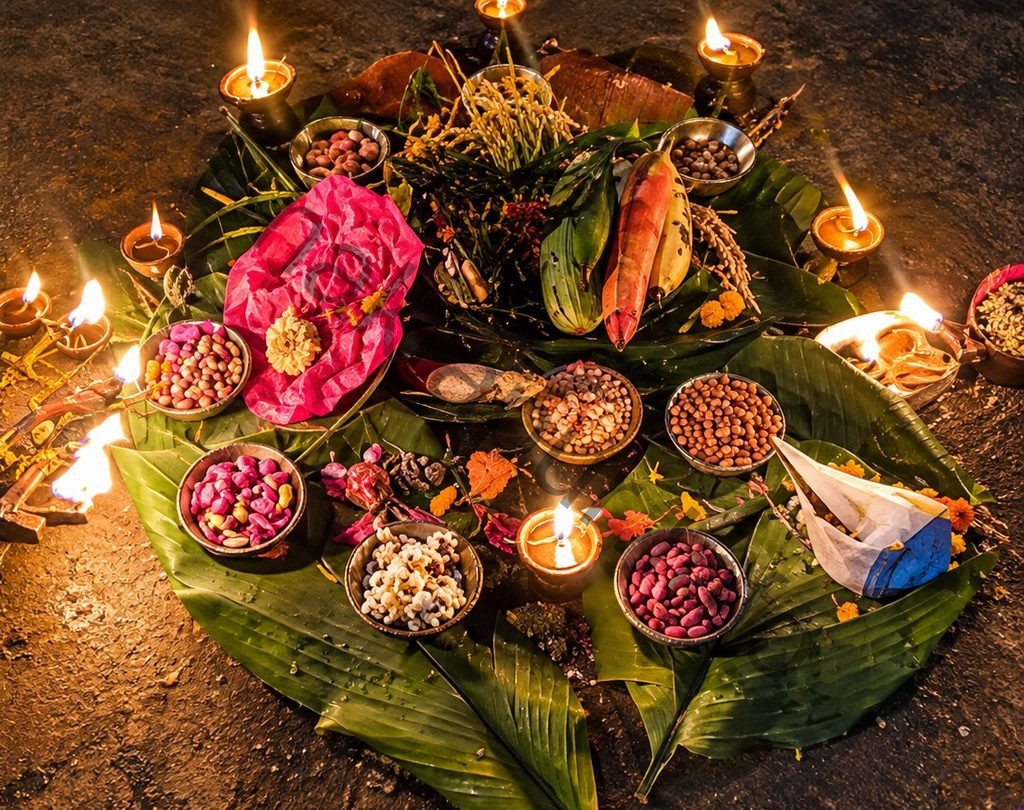
- Importance in Bhaktapur
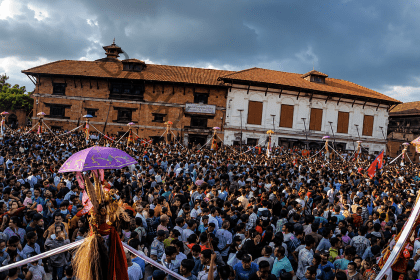
Chatha has special significance in Bhaktapur’s living Newar festival calendar. The day is also associated with the customary Mūpātra Jātrā, illustrating the intersections between religious mythology, regional celebrations, and communal customs in Bhaktapur‘s cultural legacy.
Chatha is really more than Ganesh Chaturthi; it symbolizes lunar mythology, traditional food customs, family unity, protection from false accusations, confidence in Ganesha, and the preservation of Newar cultural legacy.
Chatha in Bhaktapur is essentially a lovely fusion of Newar mythology, domestic customs, religion, and agricultural culture. The relationship between Lord Ganesha, the Moon, family protection, seasonal harvests, and the approaching Dashain are all preserved by its ceremonies.