

Introduction
In Nepal’s Kathmandu Valley, Bhaktapur is more than just a historic city. Ancient temples, traditional Newari architecture, colorful festivals, regional food, ceramics, woodcarving, music, dance, and daily communal life all contribute to the year-round creation of unforgettable experiences at this vibrant cultural destination.
Bhaktapur, which is well-known for its majestic Durbar Square, pagoda-style temples, ancient courtyards, and rich Newar heritage, provides tourists with a plethora of activities throughout the year. Every trip gives a fresh perspective on the city, whether you spend the morning touring landmarks that date back hundreds of years, learn how to form clay in Pottery Square, sample real Juju Dhau, or take in a traditional celebration.
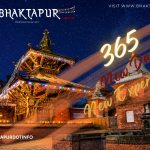
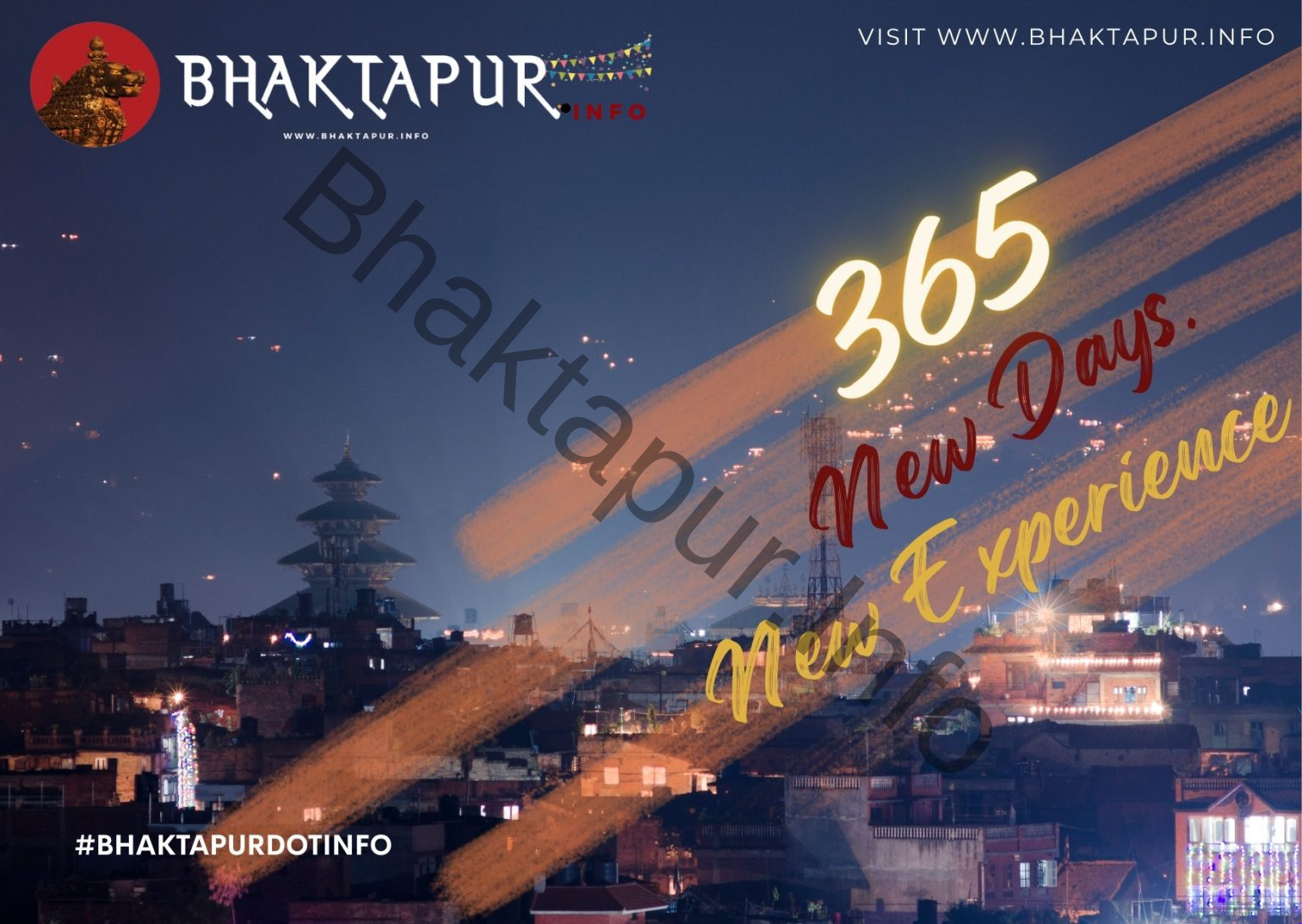
The concept behind 365 Days of Activities in Bhaktapur is straightforward: explore the city beyond its well-known sites. Different cultural experiences, historical discoveries, culinary adventures in the area, photographic opportunities, or encounters with traditional life can all occur every day.
1. Explore Bhaktapur’s Historic Heritage
Start your adventure in Bhaktapur Durbar Square, the city’s historic center and a UNESCO World Heritage Site on the Kathmandu Valley World Heritage site.

Among the activities are:
- Discover the ancient royal courtyards of Bhaktapur Durbar Square.
- Admire the 55 Windows Palace and the Golden Gate.
- One of Nepal’s most impressive pagoda-style temples is Nyatapola Temple.
- Explore Tachapal Tole’s traditional architecture and Dattatreya Temple.
- Take pictures of Fasi Dega and the old squares around it.
- Discover Dattatreya Square, Pottery Square, and Taumadhi Square.
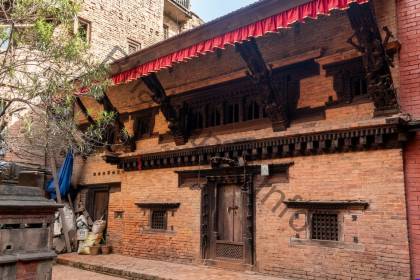
- Take note of the brick façades, courtyards, carved wooden doors, and typical Newari windows.
- Discover the history of the historical monuments and kings of the Malla era in Bhaktapur.
- Explore traditional woodcarving, metalworking, and painting at nearby museums.
- Explore classic residential districts and winding alleyways on a history stroll.
Each monument conveys information about the community’s identity, religious customs, craftsmanship, and royal past..
2. Experience Traditional Newari Culture
The cultural legacy of Bhaktapur extends beyond monuments. It persists in its inhabitants’ everyday routines, talents, music, and customs.
Visitors are able to:
- See how traditional clay processes are used by potters.
- See clay pots drying in the sun by going to Pottery Square.
- Discover the art of traditional Newari metalworking and woodcarving.
- Learn the purpose of neighborhood squares and courtyards.
- Take in a public performance of traditional Dafa Bhajan music.
- Discover Newari indigenous dances, folk music, and instruments.
- Examine the cultural value of nearby temples and shrines.
- Learn about traditional jewelry, clothes, and festival apparel.
- Discover the Newari language, regional idioms, and cultural manners.
- Take part in a guided heritage walk or arranged cultural workshop.
Prior to taking pictures of residents, private ceremonies, or religious activities, always get permission.s.

3. Discover Bhaktapur’s Festivals and Jatras
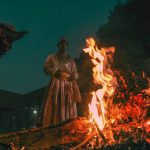
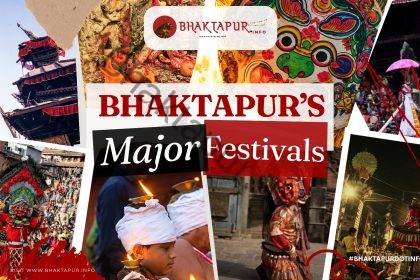
One of the most fascinating ways to learn about Bhaktapur’s live legacy is through festivals. Religious observances, processions, masked dances, communal feasts, and seasonal celebrations are all part of the yearly calendar. Dates may vary annually and are frequently based on the lunar calendar.
Explore the following major festivals and cultural events:
- Biska Jatra: A significant New Year’s festival with unique regional customs and chariot parades.
- Gai Jatra (Sa Paru): A customary celebration linked to cultural acts, community involvement, and remembering.
- Gunla is a revered Buddhist month marked by devotional music, pilgrimages to places of worship, and other customs.
- Indra Jatra: A season of celebration linked to Indra, customary processions, and regional festivities.
- Dashain: A significant Hindu holiday observed through communal customs, devotion, and family get-togethers.
- Tihar: A light-filled event that includes family celebrations, worship, and home décor.
- Yomari Punhi: A harvest-season festival linked to the yomari, a typical Newari delicacy.
- Sithi Nakha: A customary event associated with seasonal traditions, communal rituals, and water supplies.
- Gathamuga: A customary celebration that ushers in the festival season and the eradication of negative influences.
- Navadurga customs: In Bhaktapur, sacred masked dances and ritual performances are connected to the nine incarnations of Goddess Durga.
- Panchadan is a Buddhist charity festival that is celebrated throughout the Kathmandu Valley, incorporating customs from the Bhaktapur region.
- Discover the unique processions, masked dances, and regional festival customs of Madhyapur Thimi and Bode jatras.
Not all festivals are held in the major historic square of Bhaktapur. Some of them belong to specific neighborhoods or nearby municipalities, so check the local calendar and location before planning a visit.
4. Taste the Traditional Food of Bhaktapur
A year-round experience in Bhaktapur must include food. The city’s traditional Newari food blends unique tastes, regional ingredients, and generations-old cooking traditions.
Foodies can engage in the following activities:
- Taste the renowned creamy royal curd from Bhaktapur, Juju Dhau.
- Try the flavorful lentil pancake known as bara.
- Savor chatamari, which is sometimes referred to as a rice-flour crepe from Newari.
- Savor the traditional steamed rice-flour treat known as yomari.
- Try the soup kwati, which is cooked with a variety of sprouting beans.
- Learn about choila and other traditional Newari cuisine.
- Discover seasonal specialties and regional munchies.
- Discover how traditional dishes are prepared and their cultural importance.
- Go to family-owned restaurants and local eateries.
- When possible, take advantage of organized opportunities to sample traditional Newari feasts.
The availability of food varies by season and establishment. If you have dietary restrictions, find out the ingredients before placing your order.restrictions.
5. Photography and Creative Experiences
For photographers, painters, filmmakers, and content producers, Bhaktapur is a fulfilling location.
Try these things all year long:
- Take an early morning photo of Nyatapola Temple.
- Take pictures of the traditional palace architecture and the Golden Gate.
- Take pictures of Pottery Square’s vibrant environment.
- Discover carved wooden windows and old-fashioned brick lanes.
- When the circumstances permit, take pictures of the reflections surrounding Siddha Pokhari.
- Respectfully take pictures of regular street life, traditional crafts, and local markets.
- Keep track of festival preparations and seasonal decorations.
- Make brief films about Newari customs, cuisine, architecture, and culture.
- Draw historical structures or produce artwork with a heritage theme.
- Take pictures of the shifting light in rooftops, courtyards, and temples.
- Create a year-long photographic project that captures the same site in various seasons.
Respect religious prohibitions, get permission before taking pictures of individuals, and refrain from blocking festival processions or worshipers for the best outcomes.
6. Learn Traditional Arts and Handicrafts
The creative traditions of Bhaktapur provide both educational and observational opportunities.
Think about:
- enrolling in a local artisan’s ceramic workshop.
- studying the art of traditional woodcarving.
- investigating traditional religious art and paubha paintings.
- finding bronze artistry, ceremonial artifacts, and metal statues.
- learning how to make domestic items, pots, and lights out of clay.
- When they have time, they visit craft stores and talk to the craftspeople.
- going to a historical workshop or cultural demonstration.
- buying handcrafted goods directly from ethical local companies.
Select workshops that pay local artisans fairly and offer authentic teaching.
7. Enjoy Nature, Walks, and Peaceful Places
Bhaktapur is well-known for its history, but it also provides chances to relax and take in the fresh air.
Among the activities are:
- Take a stroll around Siddha Pokhari and notice how the atmosphere shifts.
- Take a leisurely stroll around old streets in the morning before they get crowded.
- Discover ancient courtyards and public spaces.
- See the neighboring Changu Narayan Temple to learn about its architectural and religious history.
- When the weather is good, visit Nagarkot to see the Himalayas.
- With the help of a local guide, explore neighboring walking paths and rural scenery.
- Take note of how the nearby fields and traditional communities vary with the seasons.
- Take pictures at sunrise or sunset from suitable public spots.
Before leaving the city center, check the weather, accessibility, walking conditions, and transportation options.
8. Meet Local Communities and Discover Everyday Life
Slowly exploring Bhaktapur is one of the most fulfilling things to do.
Visitors are able to:
- Observe local retailers as they open for business in the morning.
- Watch the manufacturing of crafts and pottery in the allocated workspaces.
- Explore neighborhood retail avenues and historic markets.
- Discover the uses of community courtyards and local temples.
- Take a walk with a qualified local guide.
- Discover local seasonal vegetables and traditional farming practices.
- When it’s possible, go to public cultural events.
- Learn the origins of local place names, myths, and shrines.
- Encourage artisan workshops, restaurants, cafés, and small businesses.
Bhaktapur is more than just an outdoor museum; it’s a living, breathing city. Respecting locals, private property, customs, and places of religion is a key component of responsible travel.
9. A Sample Seven-Day Bhaktapur Experience
This seven-day schedule is a good place to start if you are unable to spend a whole year seeing the city.
Day 1: Discover the 55 Windows Palace, Durbar Square, the Golden Gate, and other nearby attractions in historic Bhaktapur.
Day 2: Temples and Architecture: See Tachapal Tole, Nyatapola Temple, Taumadhi Square, and Dattatreya Square.
Day 3: Pottery and Handicrafts: Visit Pottery Square, watch how pottery is made, and, if one is offered, participate in a workshop.
Day 4: Food and Local Life: Visit local markets, sample traditional Newari food, and taste Juju Dhau.
Day 5: Culture and Spiritual Heritage: Discover the city’s religious past, Buddhist customs, local shrines, and Dafa Bhajan.
Day 6: Photography and Local Heritage: Take pictures of old streets and think about going to Nagarkot or Changu Narayan.
Day 7: Festivals and Local Customs: Show respect if there is a public event. If not, take part in a cultural workshop, explore a neighborhood, or visit a museum.
This schedule can be modified to accommodate personal preferences, weather, transportation, festival dates, and opening hours.
10. How to Plan 365 Days of Activities
Fixed attractions and experiences that rely on local schedules and conditions should be included in a practical year-round itinerary.
- January–March: Pay attention to food, photography, museums, architecture, and heritage walks.
- April–June: Keep an eye out for seasonal cultural activities, Biska Jatra, Nepali New Year celebrations, and local craft experiences.
- July–September: When the dates coincide, take in the monsoon scenery, religious celebrations, and holidays like Gunla and Gai Jatra (Sa:Paru).
- October – December: Learn about Yomari Punhi, Tihar (Swanti), Dashain (Mohani), and other fall and winter customs based on the yearly calendar.
These are ideas for seasonal planning, not an assurance that a particular festival or event will take place in the same month each year. Check dates locally, particularly for celebrations that follow the lunar calendar.
In conclusion
There is much more to Bhaktapur than just a day of sightseeing. Experiences are offered year-round by its ancient monuments, Newari food, traditional handcraft, religious customs, festivals, local life, and surrounding scenery.
The concept of 365 Days of Activities in Bhaktapur encourages tourists to explore the city’s cultural diversity one day at a time by looking past the well-known sites. Bhaktapur offers a plethora of reasons to return, whether you are a photographer, a cuisine enthusiast, a first-time traveler, a returning visitor, or someone interested in Nepal’s living heritage.
Explore a temple, sample a regional cuisine, pick up a traditional craft, go to a celebration, or hear a local’s tale. This amazing heritage city may show a new perspective every day.
Bhaktapur.info – Discover Culture, Heritage & History.