



Wane Layaku of Bhaktapur
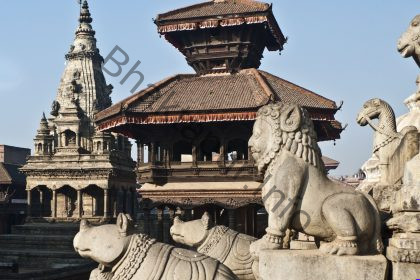
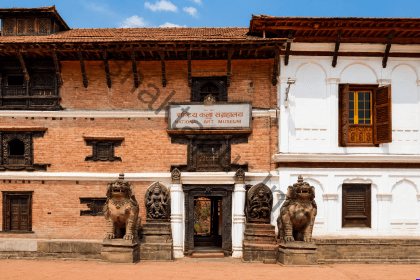
Wane Layaku (वने लायकू) is one of the hidden cultural treasures of Bhaktapur, situated in the southwestern courtyard of Dattatreya Square. Although less well-known than Bhaktapur Durbar Square or Taumadhi Square, Wane Layaku holds immense historical, religious, and architectural significance. It is believed to have been the earliest palace complex and the original sacred seat of the goddess Taleju (Tulaja Bhawani) in Bhaktapur before her worship was transferred to the royal palace area.

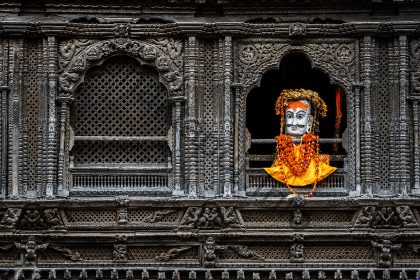
The name “Wane Layaku” comes from the Nepal Bhasa language, where Wane means “east” and Layaku means “palace” or “royal administrative complex.” The site features a traditional Newar Agam (esoteric shrine) with beautifully carved wooden windows and struts decorated with Hindu deities, reflecting the artistic excellence of the Malla period. The complex also contains an ancient water tank (Jaladroni) and a centuries-old sacred tree that is associated with local legends.
Wane Layaku is especially important during the Mohani (Dashain) festival. A rare traditional Ghau-Batacha (water clock) is displayed here, a device historically used by Malla kings and court astrologers to determine auspicious times for state ceremonies and religious rituals. This unique tradition makes the site an important part of Bhaktapur’s living cultural heritage.

Despite its historical importance, Wane Layaku remains a peaceful and relatively undiscovered monument, offering visitors an authentic glimpse into Bhaktapur’s royal and religious past.

Tourism Tagline
“Wane Layaku – Bhaktapur’s Hidden Royal Courtyard Where History, Faith, and Newar Heritage Meet.”