


The distinctive heritage and tastes of the Newar population are reflected in the rich culinary experience of a traditional Newari meal from Bhaktapur. It usually consists of a range of meals that highlight regional ingredients and cooking customs while combining savory, sour, and spicy flavors.
The rich history, artistic legacy, and lively way of life of the Newar people, the indigenous residents of the Kathmandu Valley, are reflected in a traditional Newari supper, which is much more than a selection of delectable dishes. Food is a major feature of festivals, family get-togethers, religious events, and communal celebrations in Bhaktapur, where traditional practices are still an integral part of daily life. Every meal is meticulously made utilizing recipes that have been handed down through the generations, fresh local products, and fragrant spices.
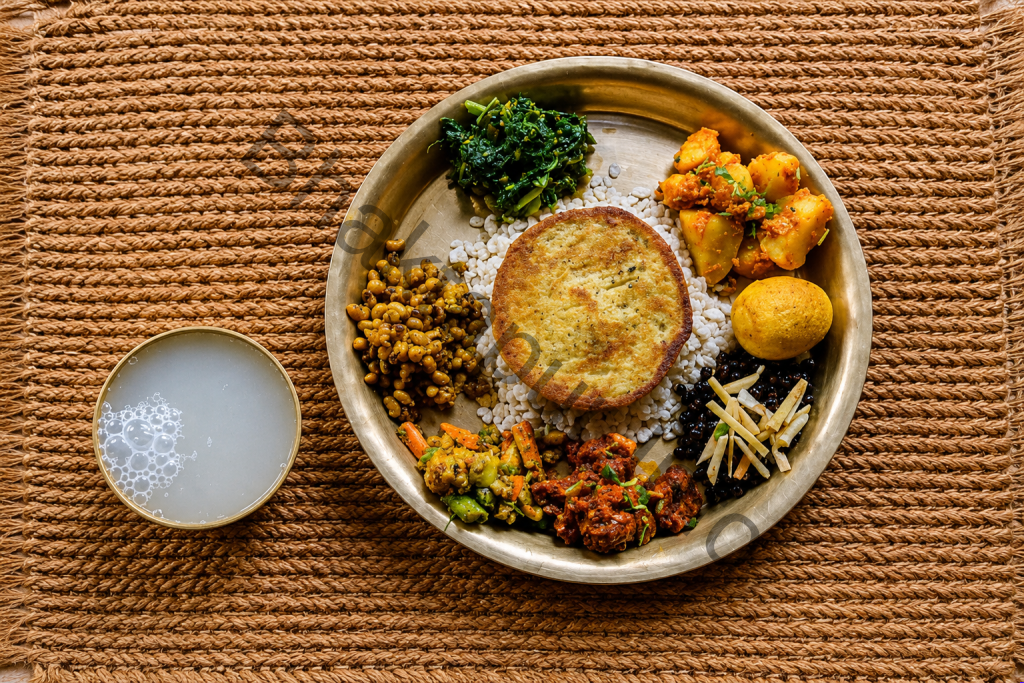
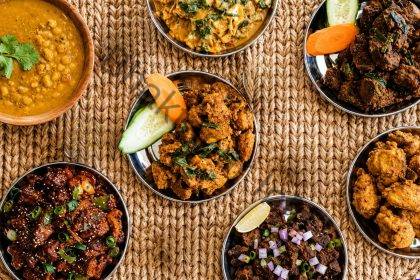
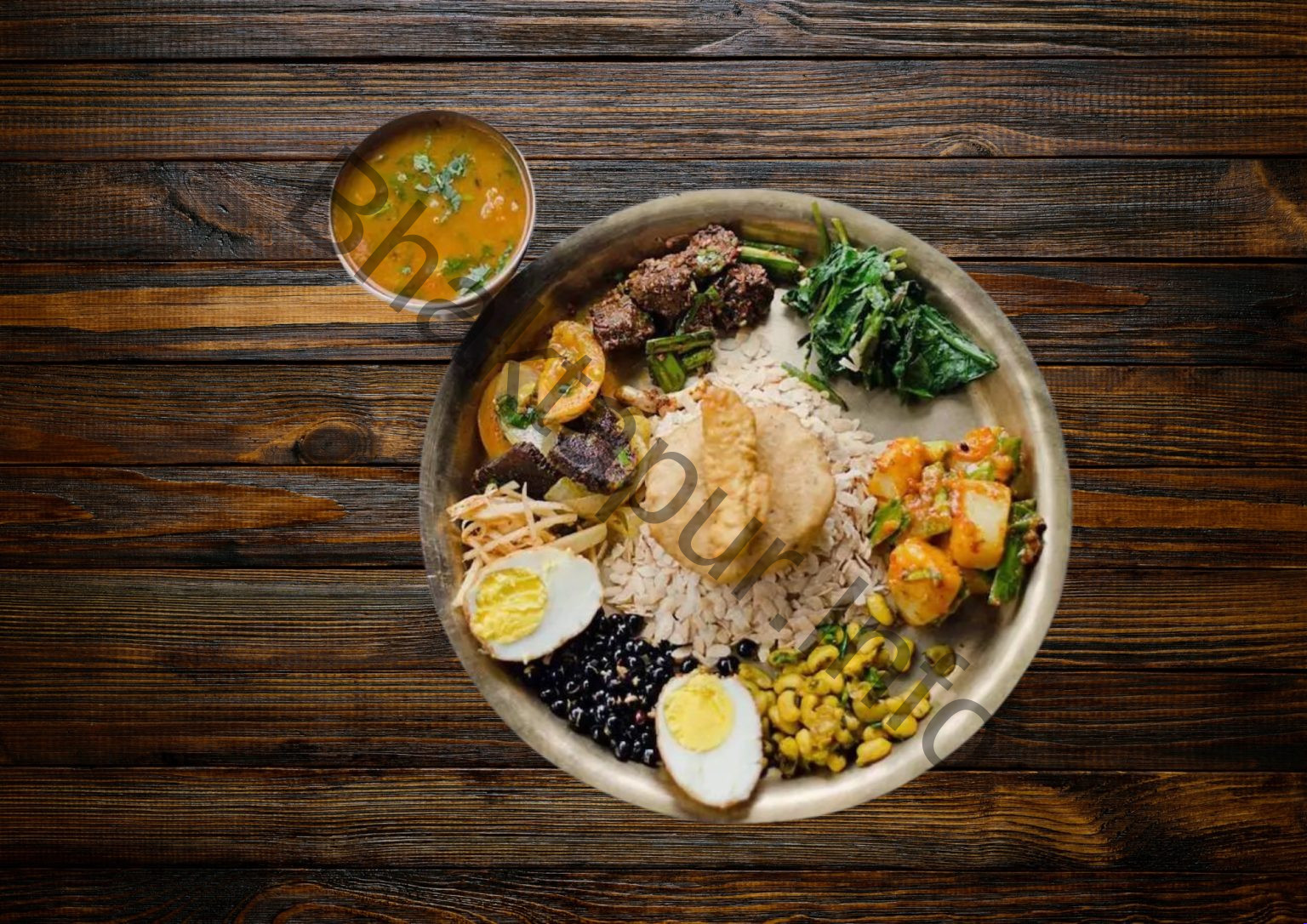
The harmonious blend of tastes, textures, and hues demonstrates the centuries-old culinary knowledge. Beaten rice (Baji), -Wo: Bara (lentil pancakes), Choila (smoked or grilled spiced meat), Chatamari (Newari rice crepe), Aloo Tama, Kwati, spicy pickles, seasonal vegetables, buffalo or chicken curries, and the well-known Yomari—a sweet steamed dumpling—are typical components of a traditional Newari feast. Aila, a traditional distilled liquor of ceremonial and cultural importance, is served with several meals. Beyond its exceptional flavor, Newari food is a symbol of hospitality, community, and reverence for customs. Every eating experience is a significant cultural trip since each meal has a unique story and is intimately linked to regional festivals, life-cycle rituals, and religious traditions.
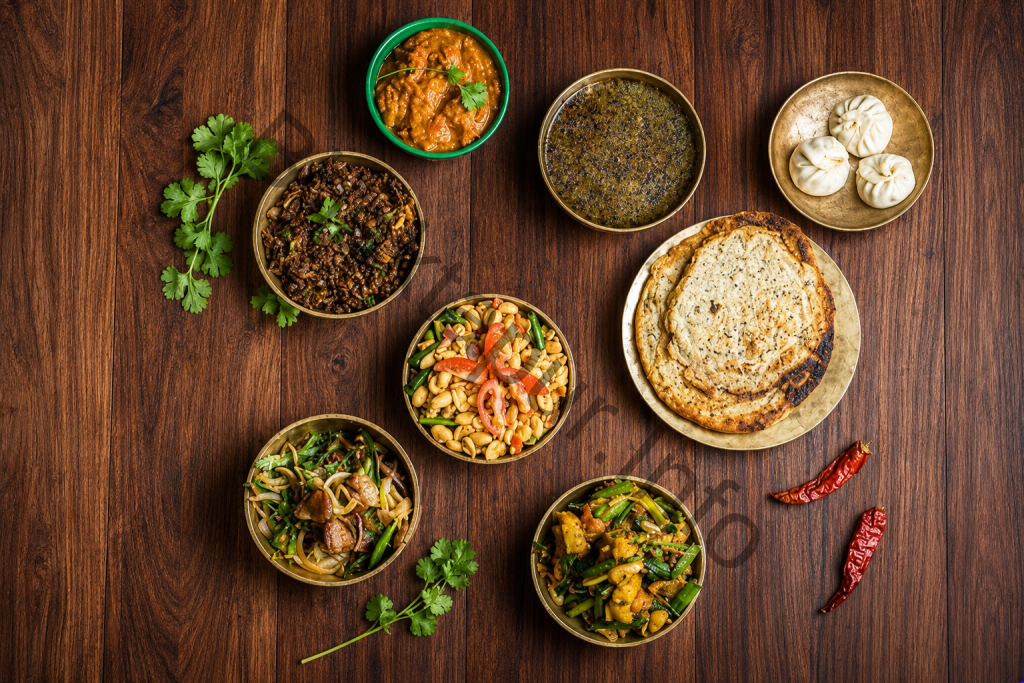
One of the most memorable ways for visitors visiting Bhaktapur to experience the city’s live legacy is to sample traditional Newari cuisine. A Newari dinner offers an extraordinary fusion of genuine flavors and cultural complexity, whether it is consumed at a traditional house, a neighborhood restaurant, or during a joyous celebration. From the first bite to the last plate, it embodies Bhaktapur’s character, artistry, and kind hospitality, encouraging every visitor to enjoy not just superb food but also the timeless customs of one of Nepal’s oldest and most culturally significant cities.