

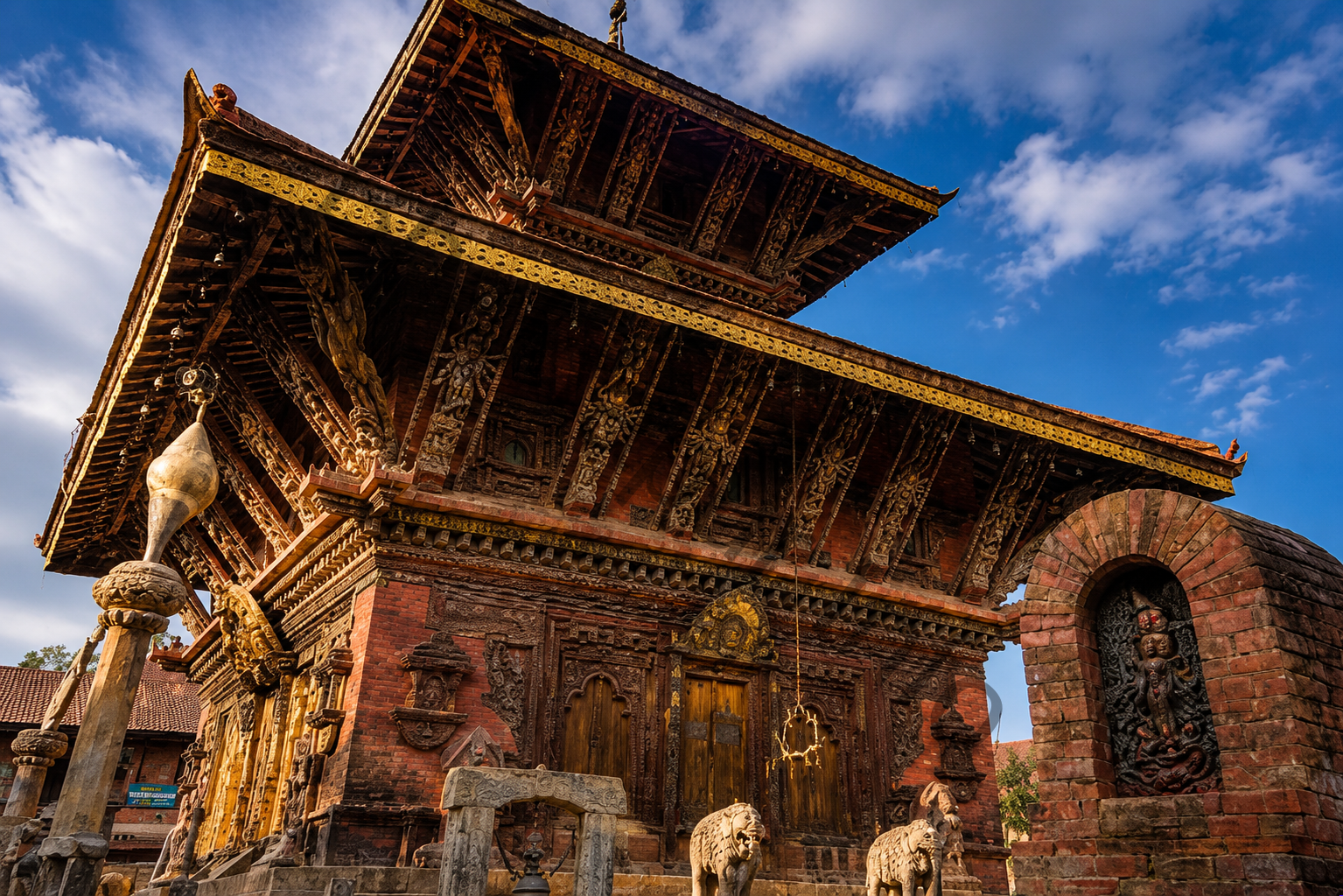

One of Nepal’s most cherished cultural sites, Changu Narayan Temple is the oldest surviving Hindu temple and is tucked away on a serene hill in the northern section of Bhaktapur. The temple, which honors Lord Vishnu (Narayan), is a stunning illustration of traditional Nepalese architecture, religious devotion, and artistic brilliance. Changu Narayan provides visitors with a unique voyage through more than 1,500 years of history, surrounded by lush scenery and a genuine Newari community. As one of the seven monument zones in the Kathmandu Valley’s UNESCO World Heritage Site, it maintains some of Nepal’s best examples of wood carving, stone sculpture, and historical inscriptions while still functioning as an active place of prayer.
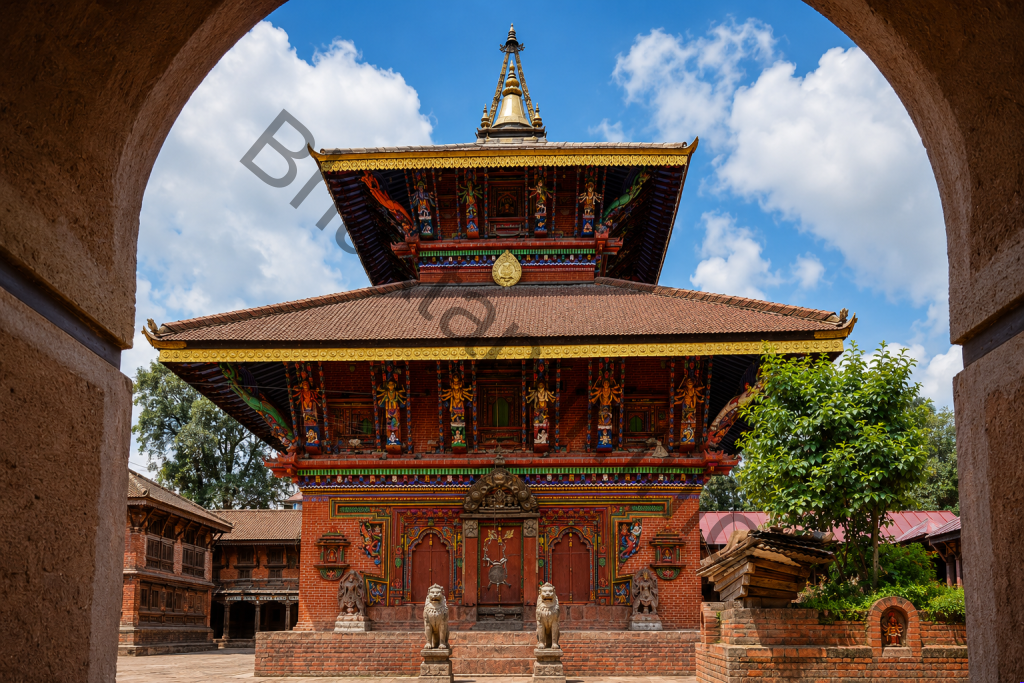
Where is Changu Narayan Temple?
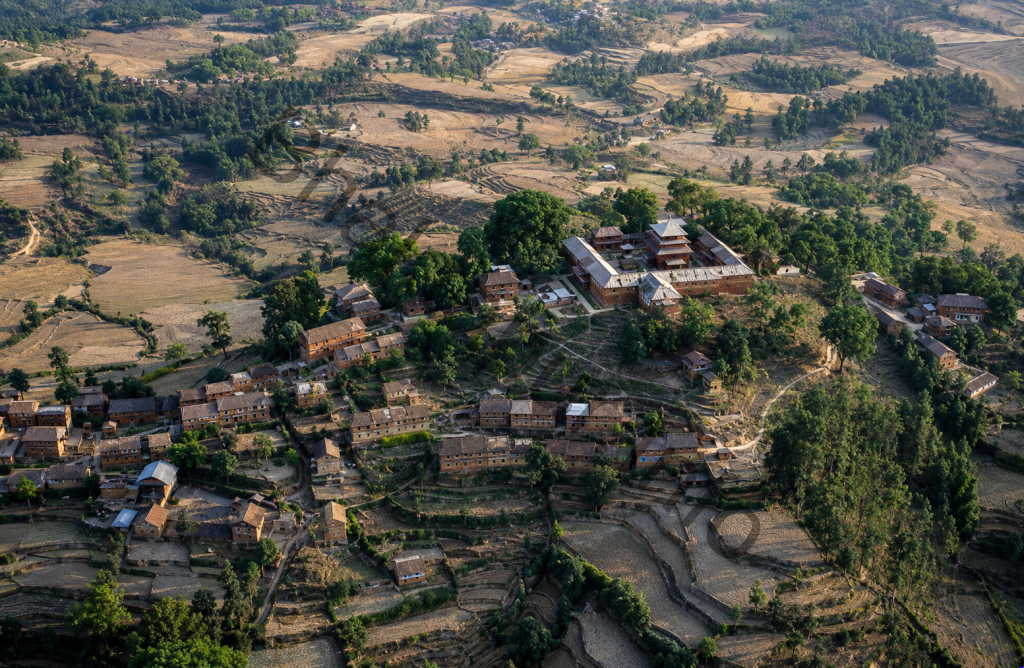
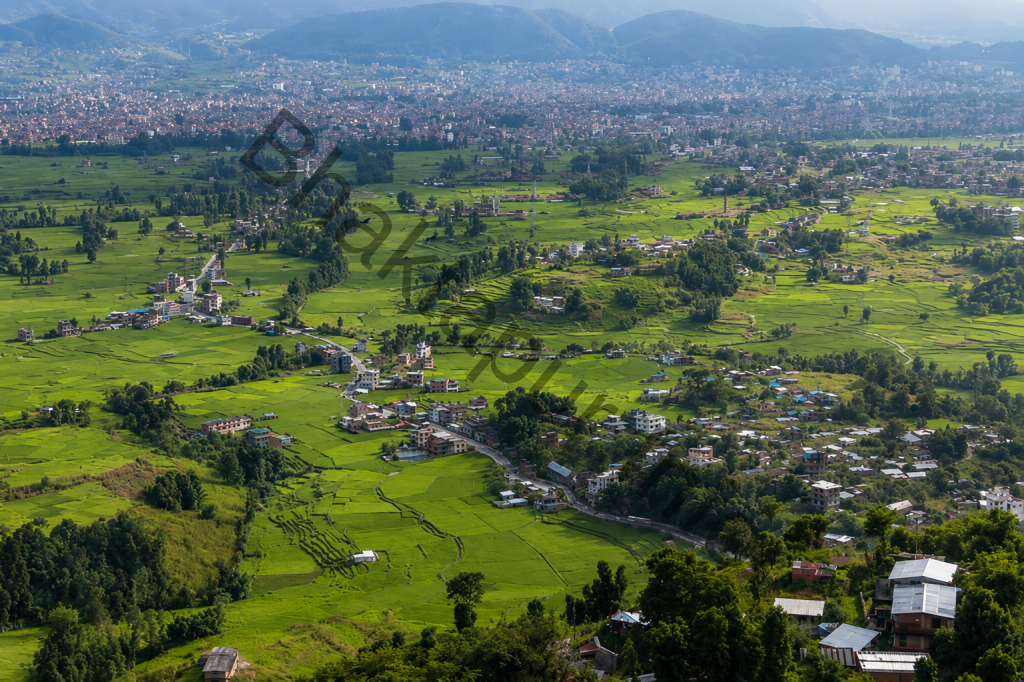
Situated on a hill at an elevation of around 1,540 meters (5,052 feet), Changu Narayan Temple is roughly 13 kilometers East of Kathmandu and 5 kilometers North of Bhaktapur Durbar Square. One of Nepal‘s most picturesque historical sites, the high location offers expansive views of the Kathmandu Valley and its surroundings. A short stroll through a quaint Newari village dotted with traditional homes, gift shops, and neighborhood restaurants leads to the temple, which is conveniently reachable by road.
A History Dating Back to the Lichhavi Era
Historical evidence indicates that Changu Narayan Temple dates back to the Fourth Century CE, during the reign of the Lichhavi rulers, despite the fact that the current construction has undergone numerous restorations over the ages. The temple is particularly well-known for the 464 CE stone inscription of King Mandeva I, which is thought to be among the oldest inscriptions in Nepal. Changu Narayan is an important archaeological site in South Asia because this inscription offers important details on the early history, governance, language, and religious customs of the Kathmandu Valley. For more than Fifteen Centuries, the temple has continued to be a dynamic center of worship despite earthquakes, fires, and governmental shifts.
Legend of Changu Narayan
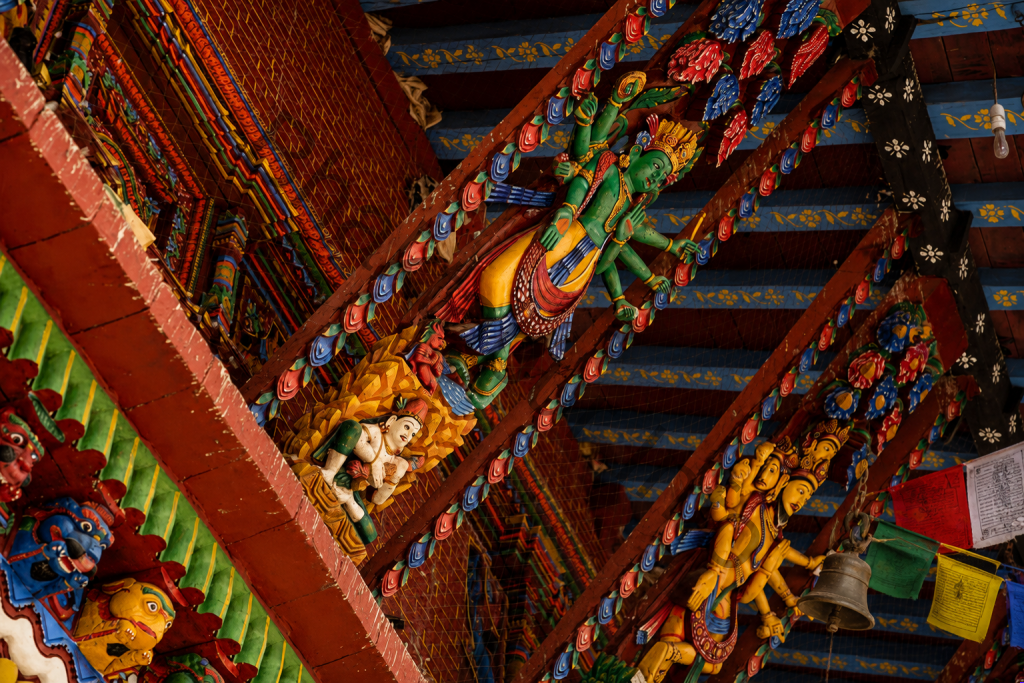
Changu Narayan is strongly linked to intriguing mythology, like with many other important sites in Nepal. Local tradition states that Lord Vishnu was punished for killing a Brahmin by mistake while hunting. Vishnu dwelt in a forest hidden beneath a Champak Tree (Pine Tree) in search of atonement, subsisting by surreptitiously consuming cow’s milk. Vishnu presented himself and told the miraculous tale when the cow’s owner uncovered the riddle and chopped down the tree. Devotees later built a shrine to Lord Vishnu at the site of this occurrence, which became sacrosanct and eventually developed into the Changu Narayan Temple of today. It is customary to assume that the descendants of the cowherd and the Brahmin continue to serve the temple in inherited capacities.

Architecture and Artistic Masterpieces
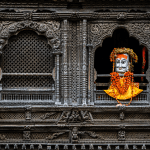
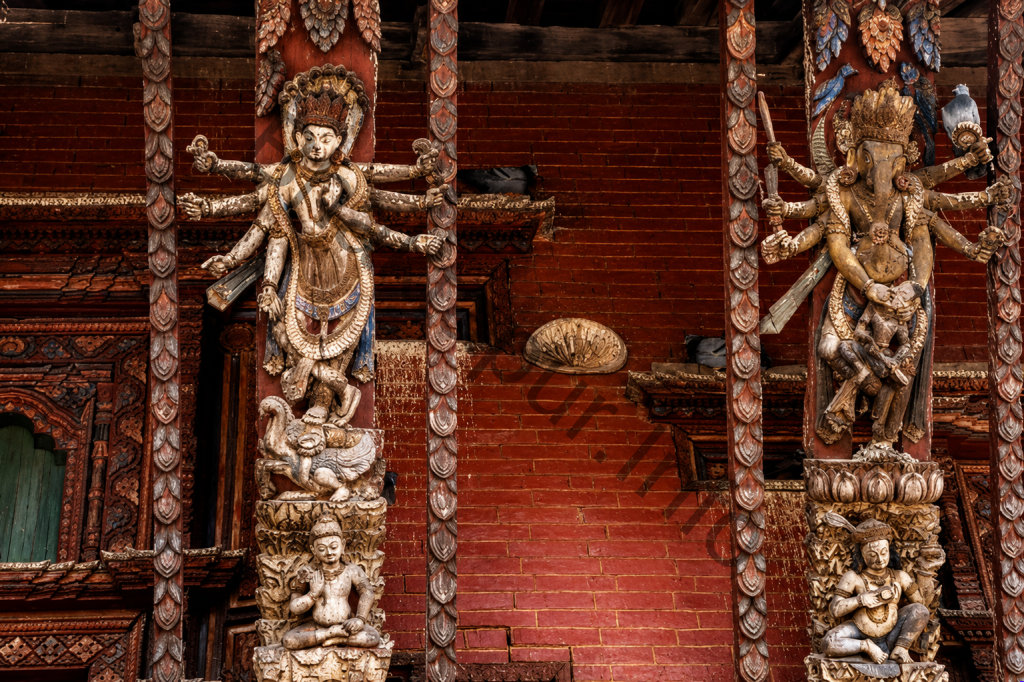
One of the best examples of traditional Nepali temple architecture still standing is Changu Narayan Temple. Every aspect of the temple, which was constructed in the traditional pagoda form with exquisitely carved wooden struts, elaborately designed windows, and a lavishly decorated roof, showcases the skill of old Newari craftspeople.
Many of the remarkable stone sculptures in the temple courtyard, which date from the Fifth to the Eighth centuries, are considered masterpieces of Lichhavi art. Visitors can view striking statues such as:
- Garuda kneeling before Lord Vishnu
- Vishnu Vikranta (Trivikrama)
- Narasimha (the Man-Lion incarnation)
- Vaikuntha Vishnu
- Vishvarupa Vishnu
- Chanda Narayan
- Numerous ancient inscriptions and carved stone pillars
These sculptures are among the oldest surviving examples of Hindu iconography in Nepal and demonstrate remarkable artistic skill that has endured for centuries.
Religious Importance
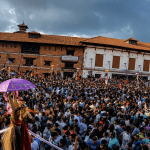
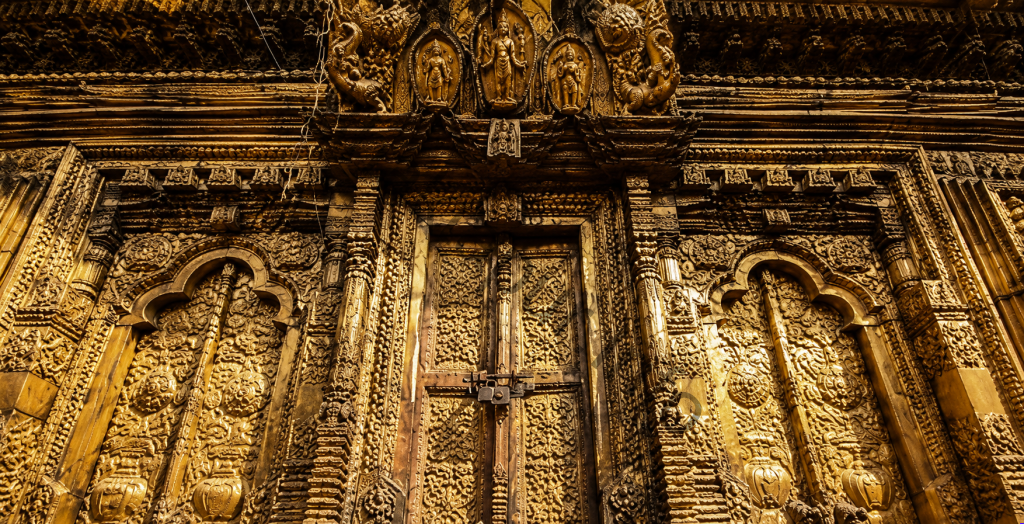
One of the most revered Vaishnav pilgrimage locations in Nepal is Changu Narayan. Throughout the year, thousands of Hindu devotees come to worship Lord Vishnu in hopes of receiving blessings for wealth, safety, and spiritual health. When pilgrims go from all across Nepal for major Hindu holidays like Haribodhini Ekadashi, Janai Purnima, Nag Panchami, and others, the temple comes alive. The long-standing concord between Hindu and Buddhist traditions in the Kathmandu Valley is reflected in the site’s high appreciation among Buddhists, who identify the deity with Avalokiteshvara.
UNESCO World Heritage Site
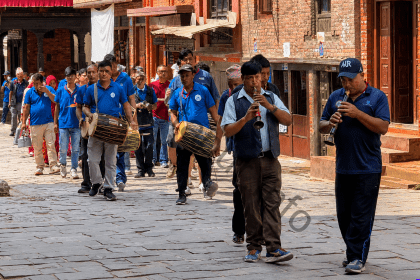
Changu Narayan Temple received the UNESCO World Heritage status in 1979, making it one of the Kathmandu Valley‘s seven protected monument zones. In addition to its remarkable architecture, the temple complex is praised for maintaining a genuine, traditional Newari community where centuries-old traditions, celebrations, and ways of life are being practiced. Because of its ongoing legacy, Changu Narayan is a priceless cultural site for tourists, pilgrims, photographers, and historians alike.

Best Time to Visit
All year long, Changu Narayan Temple welcomes tourists. Autumn (September to November) and Spring (March to May) are the most enjoyable seasons because of the clear weather and breathtaking vistas of the Himalayas. Before more crowds arrive, early mornings offer serene surroundings, lovely golden light for photography, and a calm spiritual attitude.
Visitor Tips
- When you enter the temple compound, wear modest clothing.
- Before entering places of worship, take off your shoes.
- Honor worshippers and continuous religious rituals.
- In general, taking pictures in the courtyard is permitted, but always abide by municipal regulations.
- Visit neighboring sites including Nagarkot, Bhaktapur Durbar Square, and traditional Newari villages.
Why Visit Changu Narayan Temple?
Changu Narayan is a live example of Nepal‘s artistic genius, religious fervor, and long cultural legacy—it is much more than just an old monument. Every tourist will have a memorable experience at the temple because of its spectacular stone sculptures, superb wood carvings, legendary roots, and serene hilltop setting. Changu Narayan continues to be one of the most gratifying places in Bhaktapur and the entire Kathmandu Valley, regardless of your interests in history, architecture, spirituality, photography, or cultural research.
Changu Narayan Temple entrance fees
Depending on one’s nationality, different entrance costs apply to Changu Narayan Temple. This is a quick overview of Changu Narayan Temple entrance costs.
- Nationals of SAARC: NPR 100
- NPR 300 for foreign nationals
- NPR 300 for Chinese nationals
- Free Entry for Nepalese Citizens
How can I get to the temple of Changu Narayan?
The trip from Kathmandu to Changu Narayan Temple is made simple by the abundance of transportation alternatives. A taxi or private automobile may get you there in around 45 minutes, but a bus travel takes about 90 minutes. However, you should extend your schedule by 30 to 60 minutes because of the intense traffic in Kathmandu.
It is preferable to leave between 6-7 AM to escape the worst traffic. Buses will transport you to Bhaktapur, from whence you can travel to Changu Narayan. It’s a fantastic place to start your trip if you are staying in Bhaktapur. There are reasonably priced private and regular buses available.
You will arrive at a parking area close to the temple regardless of the mode of transportation you select. It will take you about ten minutes to walk to the Temple after acquiring your entrance ticket. Your trip will be made more charming by the little kiosks set up by local vendors selling goods and the typical Newari-style homes you’ll pass along the way.