


Ranipokhari of Bhaktapur (न्हु: पुखु)
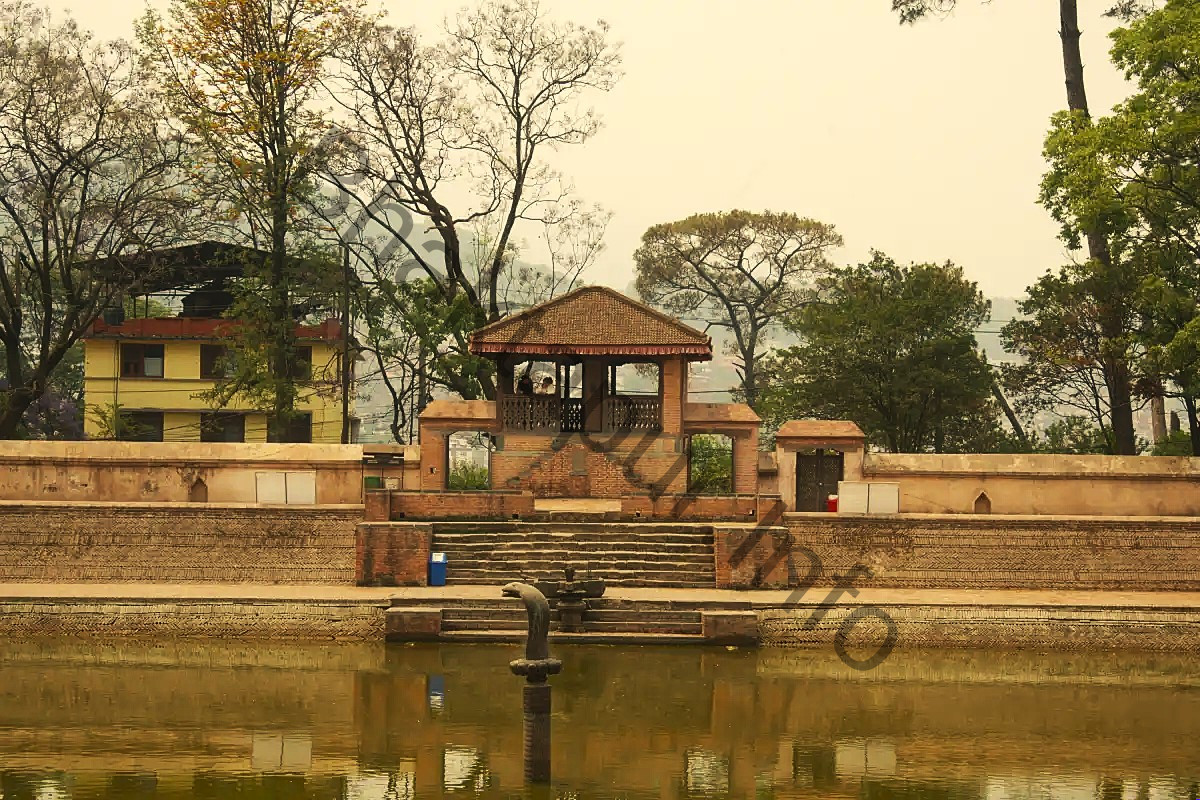
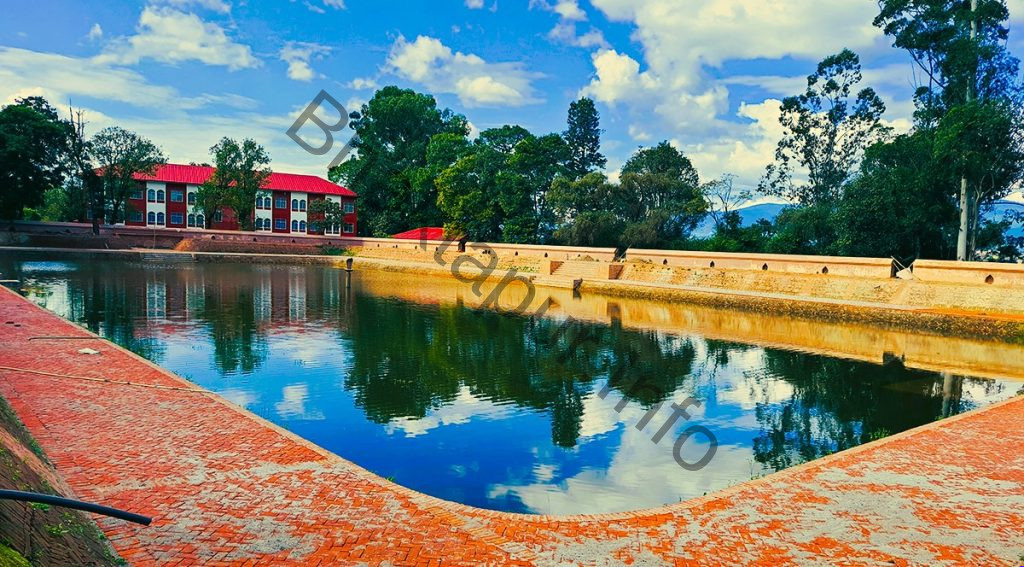
Ranipokhari, locally known as Nhu: Pukhu (न्हु: पुखु), is one of the most significant historical ponds in Bhaktapur. Located in the Sallaghari area, it is an important example of the city’s rich Malla-era water architecture and Newar cultural heritage. Historical records suggest that the pond predates the more famous Ranipokhari of Kathmandu by about four decades.
History
According to historical inscriptions and local tradition, the pond was commissioned by King Jagajyoti Malla around 1630 AD (750 Nepal Sambat) in memory of his queen, Rajlaxmi. Later, King Jitamitra Malla renovated and expanded the pond, adding religious sculptures and other artistic features.
Cultural and Religious Importance
Ranipokhari is more than a historic water reservoir. It is a sacred site for several Newar communities of Bhaktapur, where families perform:
- Digu Puja (lineage deity worship),
- Ihi (Bel Bibaha) ceremonies,
- Bratabandha and other traditional rituals.
The pond premises contain ancestral shrines that remain actively worshipped today.

It is significant to the Bhaktapurians for reasons other than its historical significance. Bhaktapur’s Prajapati, Awal, Jochhen, Maharjan, Bhujitu, and Rajlawat communities do their Digu Puja on Ranipokhari‘s grounds. Furthermore, the Ihi and Bartabanda ceremonies are undoubtedly performed there.
Legends and Heritage
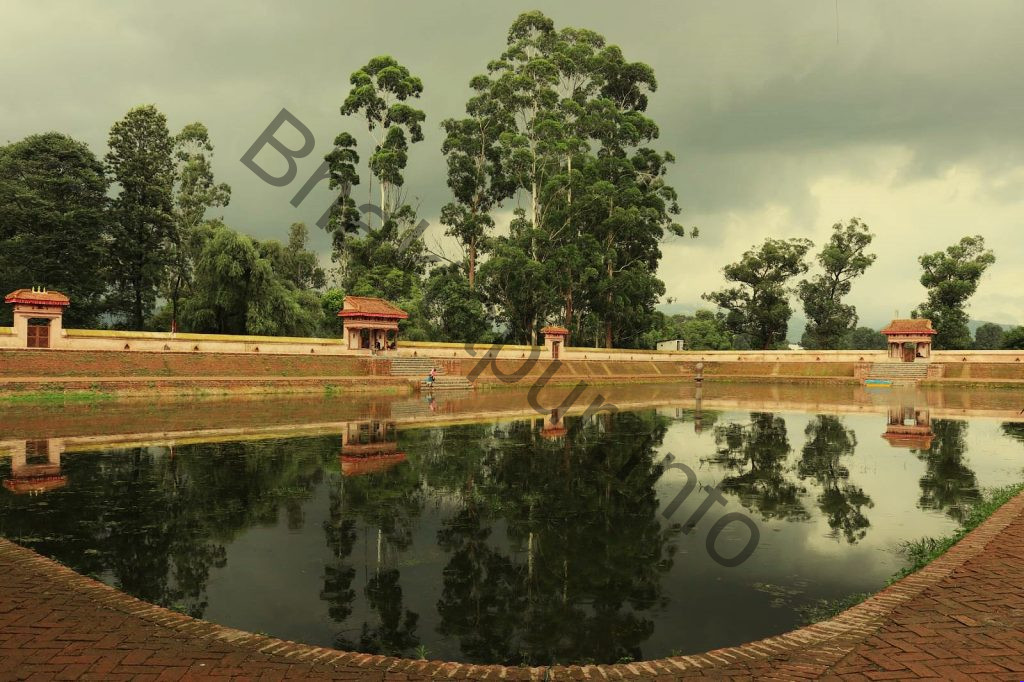
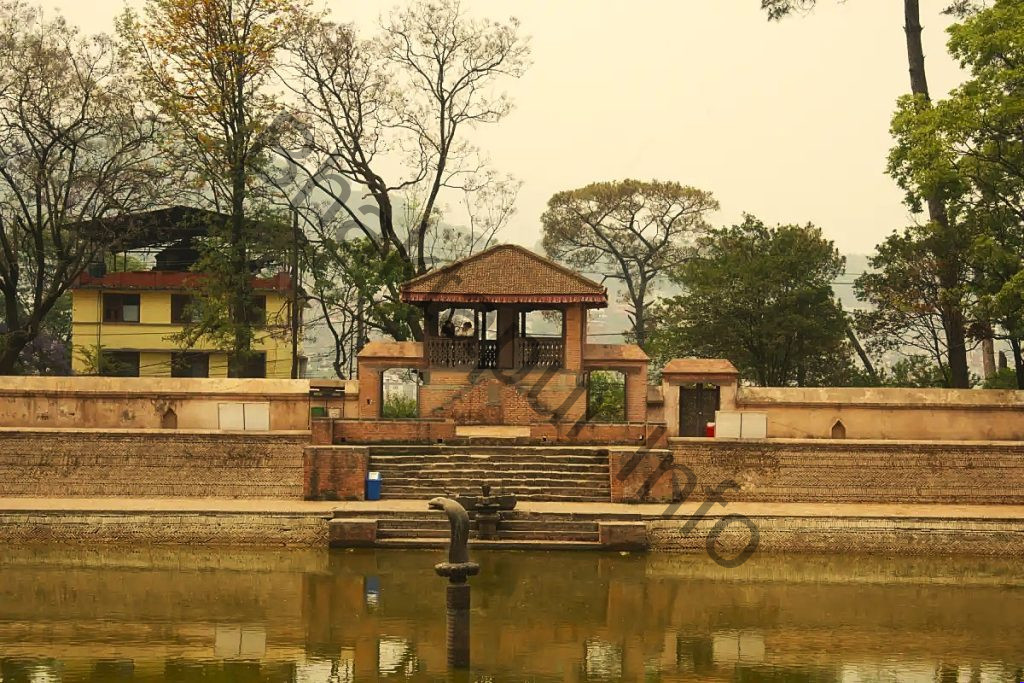
Local folklore connects Ranipokhari with other famous ponds of Bhaktapur, including Siddha Pokhari and Na: Pukhu, describing them as “Sister ponds.” Ancient traditions also mention a serpent deity (Basuki Naag) associated with the pond, symbolizing protection and prosperity.
The Historic Sattal
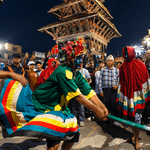
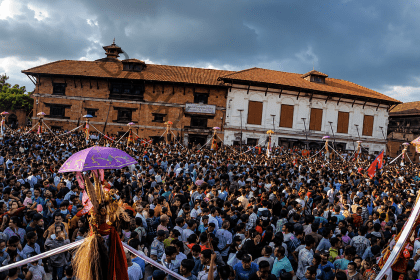
A traditional rest house (Sattal or Falcha) stands on the southern side of the pond. Historically, it served as a resting place for performers of sacred dances and participants in major festivals, including the grand celebrations of Bhaktapur.
Conservation
For many years, the area was under the management of the Nepal Army and remained inaccessible to the public. Recent conservation and restoration efforts by Bhaktapur Municipality have revived the historic pond and reopened it as a cultural and recreational heritage site.