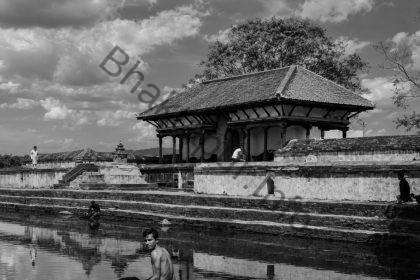


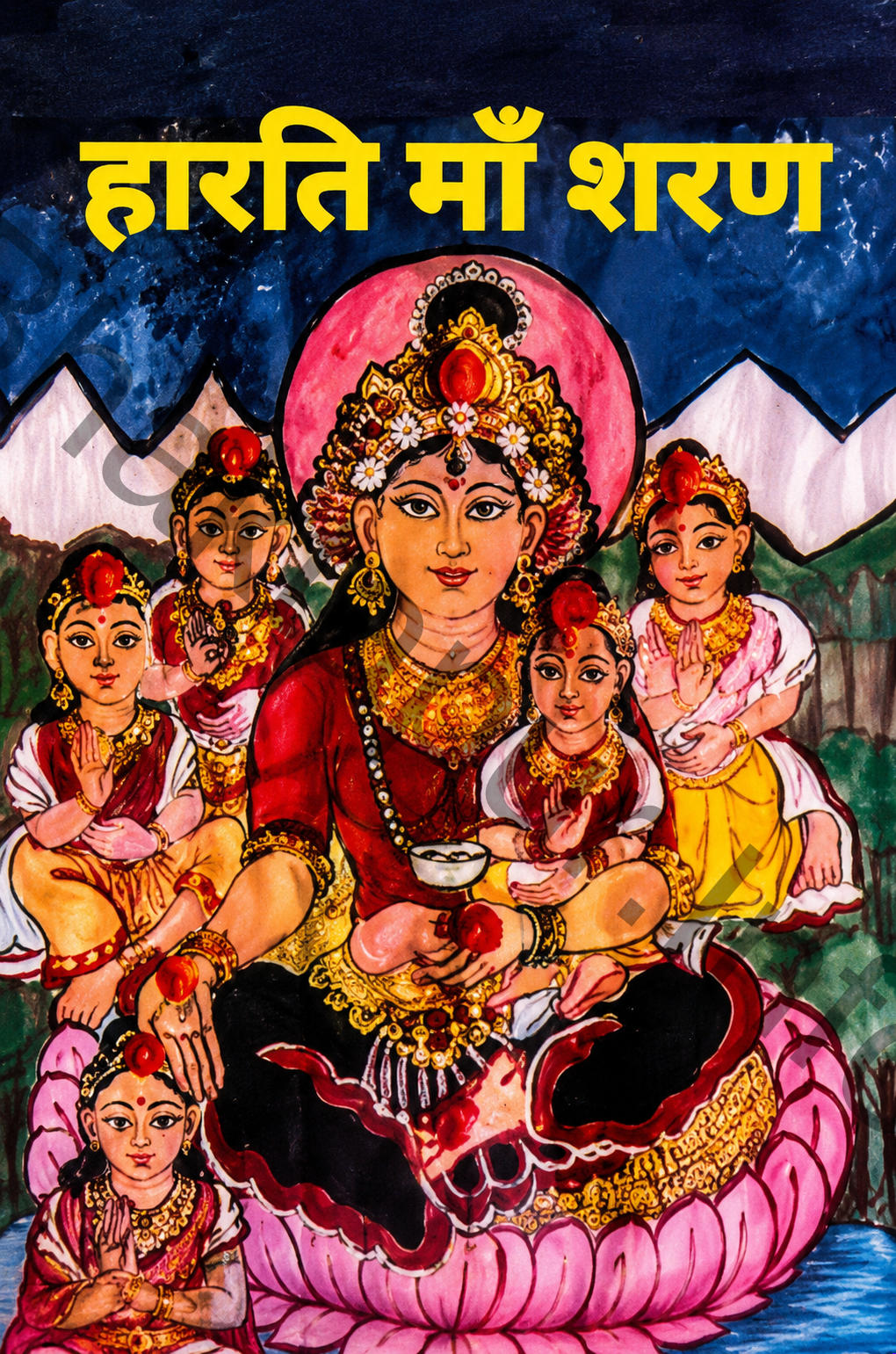

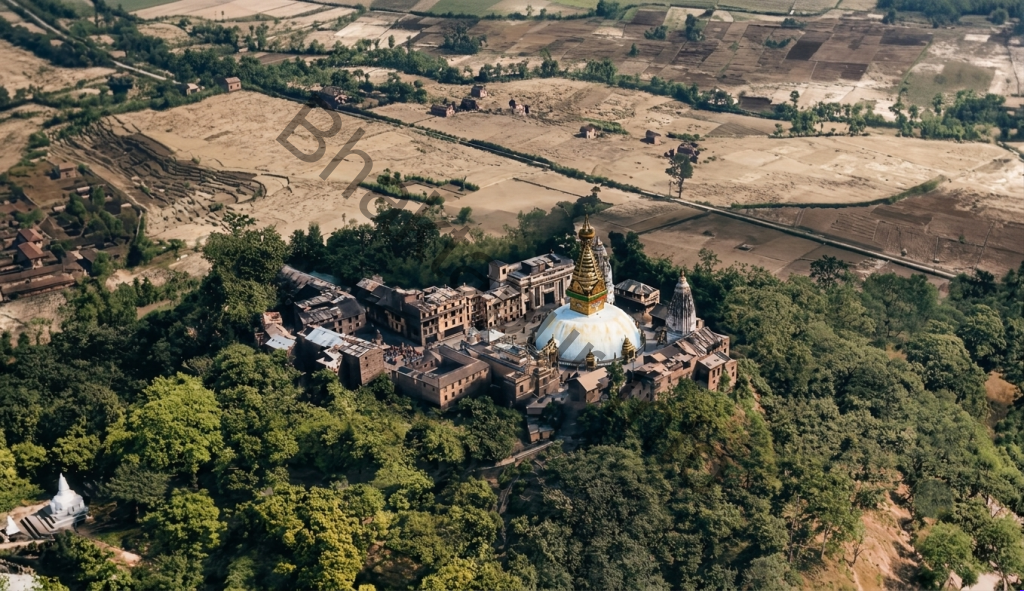
The locals of the Kathmandu Valley revere Sitala Maaju(सितला माजु) as the goddess of Smallpox. Another type of “Harati Ajima” who lives in Swayambhu Mahachaitya is Sitala Maaju (सितला माजु). The Newa people continue to sing a hymn called “Sitala maaju” that describes the misery of people in Kathmandu Valley during the reign of Rana Bahadur Shah (1777–1805), when Smallpox was an epidemic.
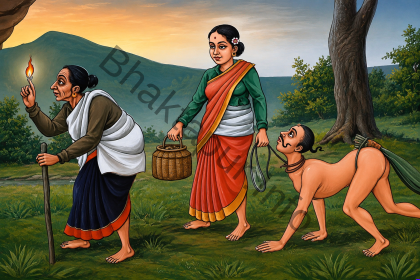
The song describes how people were banished and compelled to flee the area without any kindness.The youngest of King Rana Bahadur Shah’s four queens was his favorite. The youthful queen gave birth to one son, “Givaarna Yuddha Bikram Shah.“ Fearing that his son and queens may contract Smallpox, the king ordered many people to evacuate the area. The song describes the agony and anguish of those who were banished, forced to flee, and mercilessly beaten with nettles and bamboo rods.
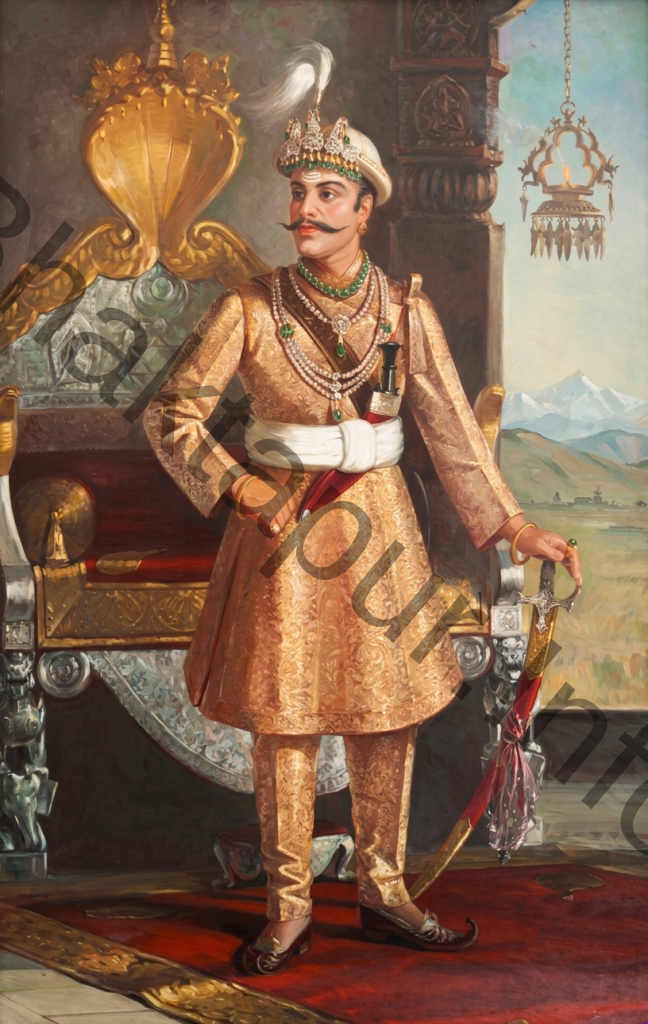
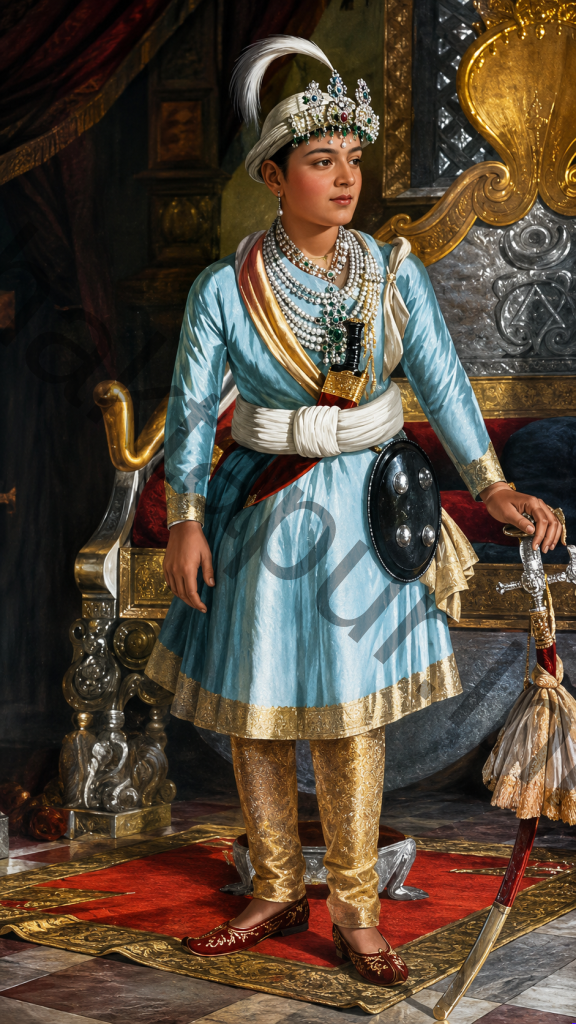
The king even forbade the family from cremating the slain children’s remains; instead, the parents were forced to pull their surviving children and were expelled from the nation using military force. The family’s lifeless remains were abducted and dumped into the river. When his queen finally died from Smallpox, he proceeded to Swayambhu Mahachaitya and gave the order to lift the statue of Harati Ajima, demolish it, and discard it.

According to legend, the statue yelled out loud while he was destroying it. It is also said that the statue was thrown close to the Vishnumati River in Karna Deep, a cremation center. In addition, he demolished numerous statues. While destroying the “Shantipur” shrine’s doors, he lost one eye and passed out. He later expressed regret, erected a new statue of Harati Ajima in the temple, and instituted a new custom in Shantipur of performing “Chyamaa Puja” and presenting gold coins once a year as an apology for what he had done.
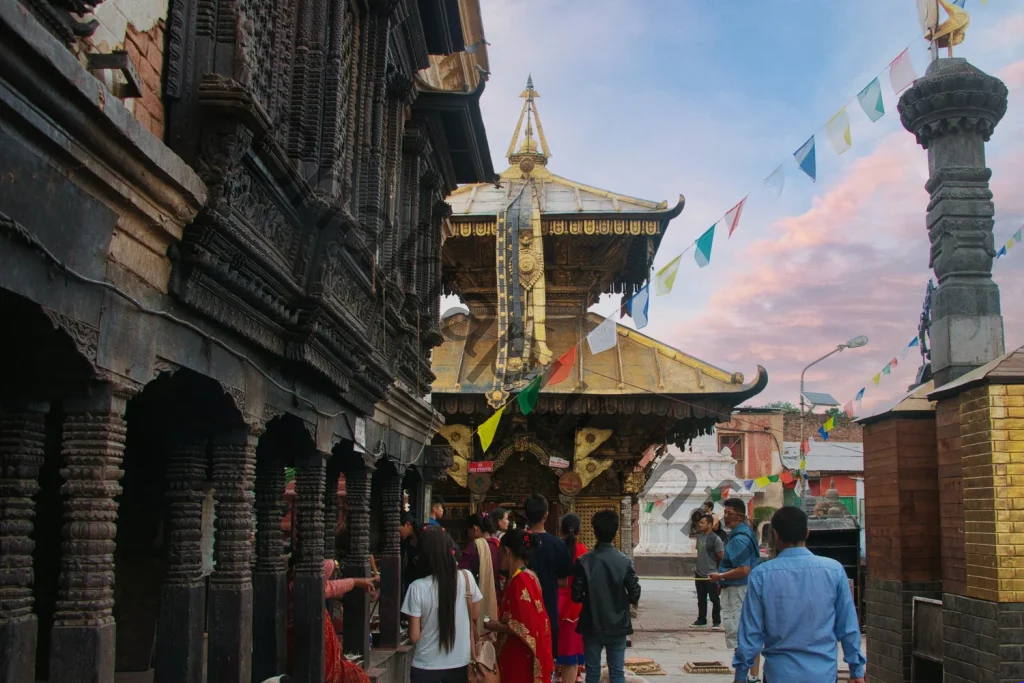
The Chyamaa puja custom is still practiced today, but instead of being offered, gold coins are brought for the ceremony and then returned by the guthi sansthan. Additionally, Rana Bahadur Shah established the custom of performing “Sarkaari Pujaa” at the Sitalaa Maaju temple in the Lhuti region on Chaitra Purnima.
The native hymn or song of Sitalaa Maaju, which discusses human suffering and issues, is shown below:
शितला माजु स्वहुने परजाया गथिन हवाल – Look at the miserable condition of the people of Shitla Maaju.
न्यना मदु खना मदु कचिमचा तय मदु
महाराज हुकुम जुल (1) – The Maharaja’s order came that no one should keep a baby that has never been heard of or seen before.

नायखिन बाजन थायका सिपाहिन घेरेयाका
कचिमचा पि तिनाव छ्वत (2) – Kachimacha was driven out by fencing and surrounded by soldiers.
नसा बजि ब्यकुं च्यसे कचिमचा लुकुं चिसे
वने माल तामाखुसि पारि (3) – They had to carry the food in a sack (chiura) and tie it to their backs, crossing the Tamakhushi (Tamakoshi) River.
छम्हा मचा लुकुं चिसे छम्हा मचा ब्यकुं च्यासे
छम्हा मचा लुतु लुसे यन (4) – I tied one child to my waist, tied one child to my back, and dragged one child along.
यँदेसं दना वना ख्वपदेस बास जुल
तल्जुमाजु दरसन याये (5) – I left Yendesh (Kathmandu) and went to Khwapadesh (Bhaktapur), and visited Taleju Maju (Taleju Bhavani).
ख्वपदेसं दना वना भोंतबास बास जुल
चण्डेश्वरी दरसन याये (6) – I left Khwapadesh (Bhaktapur) and reached Bhonta (Banepa), visited Goddess Chandeshwari.
भोंतं दना वना पलांचोस बास जुल
भगबति दरसन याये (7) – I got up from Bhonta (Banepa) and went to Palanchok (Palanchok), where I had a glimpse of Bhagwati.
पलांचोसं दना वना दोलाघाते बास जुल
भिमसेन दरसन याये (8) – I woke up from Palanchowk and reached Dolalghat, visited Lord Bhimsen.
दोलाघातं दना वना तामाखुसि बास जुल
वाने मानि तामाखुसि पारी (9) – After rising from Dolalghat, the Tamakhushi (Tamakoshi) river became a bamboo stream. We still have to cross the Tamakoshi.
दोलालघातं दना वना तामाखुसि पारि थ्यन
माहाद्य: दरसन याये (10) – I left Dolalghat, crossed Tamakoshi, and visited Mhadev.
नययात नसा मदु तियययात वसः मदु
च्वनेयात बास जिता मदु (11) – There is no food to eat, no clothes to wear, no bamboo to sit on.
लखि मखु पसि मखु न्हाकप्वाचाँ दाया हल
सिपाहिन घेरेयाना हल (12) – Not a whip, not a cane, but beaten with a whip, surrounded by soldiers
कै बिम्हा कछला माजु लख जायकिम्ह शितला माजु
यनकिम्ह बछला माजुयाके फ्वने (13) -I ask for a small calf that gives me smallpox, a cool calf that fills me with water, and a calf that carries me.
थ्वहे मचा रहे जुसा जोलिंजोल बखुन ब्वयके
लुँयागु वयागु द्वाफोस्वन छाये (14) – If this child survives, a pair of pigeons will be flown, gold and silver garlands will be offered.
सुरद्य: को म जो थास चिकुं पुना मचा सित
माम बुबां नुगः दायाः ख्वल (15) – Suradya: (Sun) The child died of cold in a place with little sun, the parents beat their chests and cried
सिम्ह मचा उय मदु मचा गाले थुने मदु
परजाया गथिन हवाल (16) – A dead child cannot be cremated, cannot be buried in a pit, what a sad fate awaits the people.
बाह्म मचा मामं जोंसे बाह्म मचा बुबां ज्वंसे
तामाखुसि कुतकाव छ्वत (17) – Half the child was held by the mother and half by the father and they were thrown into the Tamakoshi River.
गोरखा जुजुन बिनति याहुने परजाया गथिन हवाल (18) -I beg the King of Gorkha, to see the suffering of the people like this.
स्वामि जुजुया धरम मदया कचिमचा वाके छ्वत
वाने माल तामाखुसि पारि (19) – The king sent him to throw the garbage because he was not a religious person, so he had to cross the Tamakoshi.
गोरखा देसन वकम्हा नेपाल देसया छत्रपति श्री रणबहादुर
परजान अति दुख सिल (20) – The people of Nepal, the sole king of Nepal, Shri Rana Bahadur, who came from the Gorkha country, were deeply saddened.
मते मते शितला माजु सहस्र बिनति छिके
याहुने लोक उद्धार (21) – Don’t do it, don’t do it, O cold one, I beg you, please save the people.
सिपाहिन घेरेयाका थ्त देसन पि तिनाव छ्वत (22) – Surrounded by soldiers and driven out of their country