

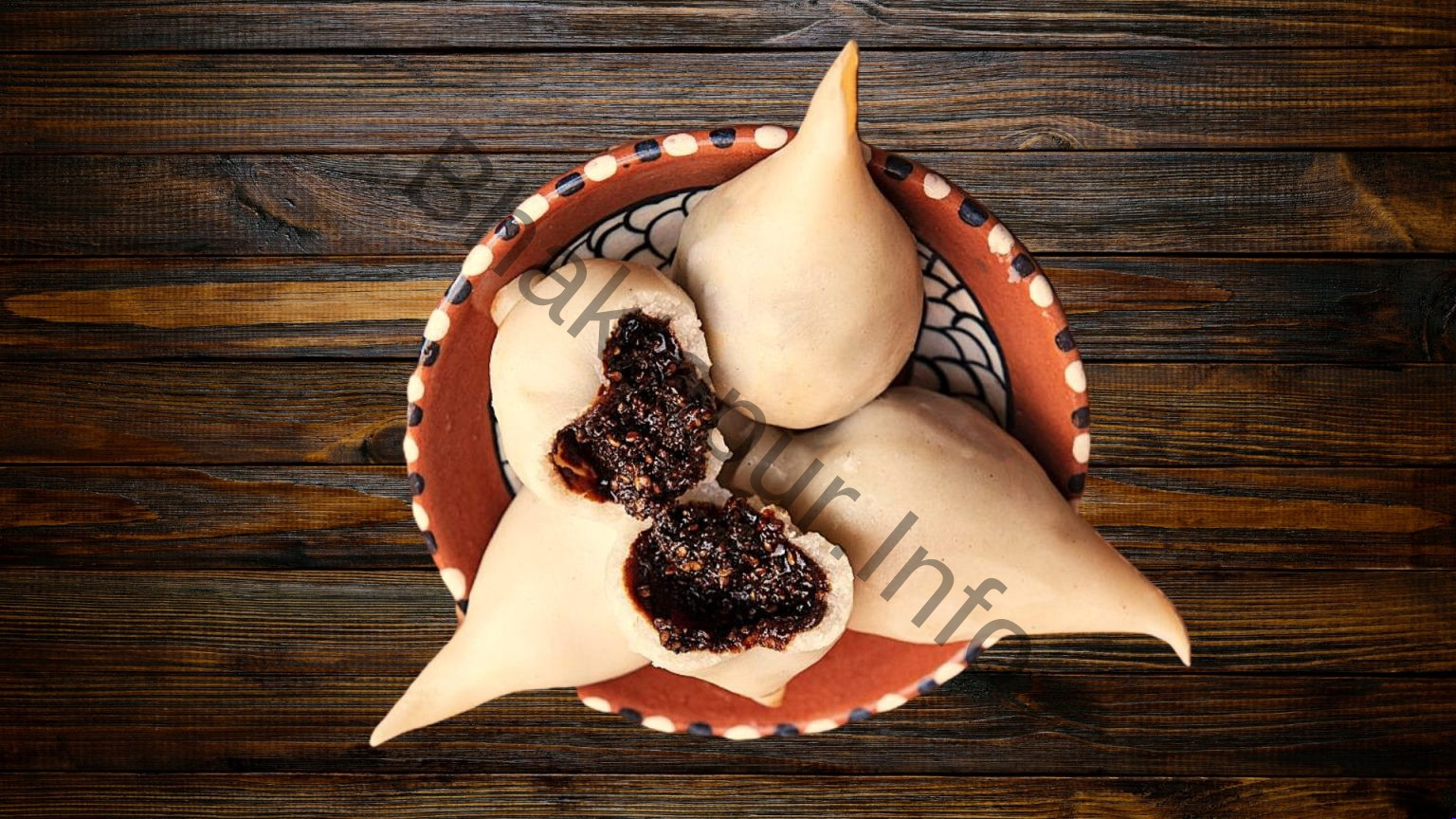

Yomari (योमरी) is a traditional Newar delicacy and one of the most iconic cultural foods of Bhaktapur, Nepal. The word Yomari is derived from the Newar language, where “Yo” means “to like or favor” and “Mari” means “bread or delicacy,” collectively signifying a cherished festive food. Made from freshly ground rice flour dough, Yomari is shaped like a Fish or Fig and filled with sweet ingredients such as Chaku (molasses made from sugarcane or palm jaggery) and Sesame Seeds, or khuwa (thickened milk).
“Yomari: A Taste of Tradition.”
The dumplings are steamed until soft, giving them a delicate texture and rich flavor. Yomari is closely associated with Yomari Punhi, a harvest festival celebrated on the full moon day of the month of Thinlā in the Nepal Sambat calendar, particularly in Bhaktapur, which is regarded as the birthplace of this unique culinary tradition. According to local legend, a farming couple from Bhaktapur created the delicacy from the season’s newly harvested rice and shared it with their neighbors, giving rise to the custom of preparing Yomari as an offering of gratitude for a successful harvest. During the festival, families prepare and distribute
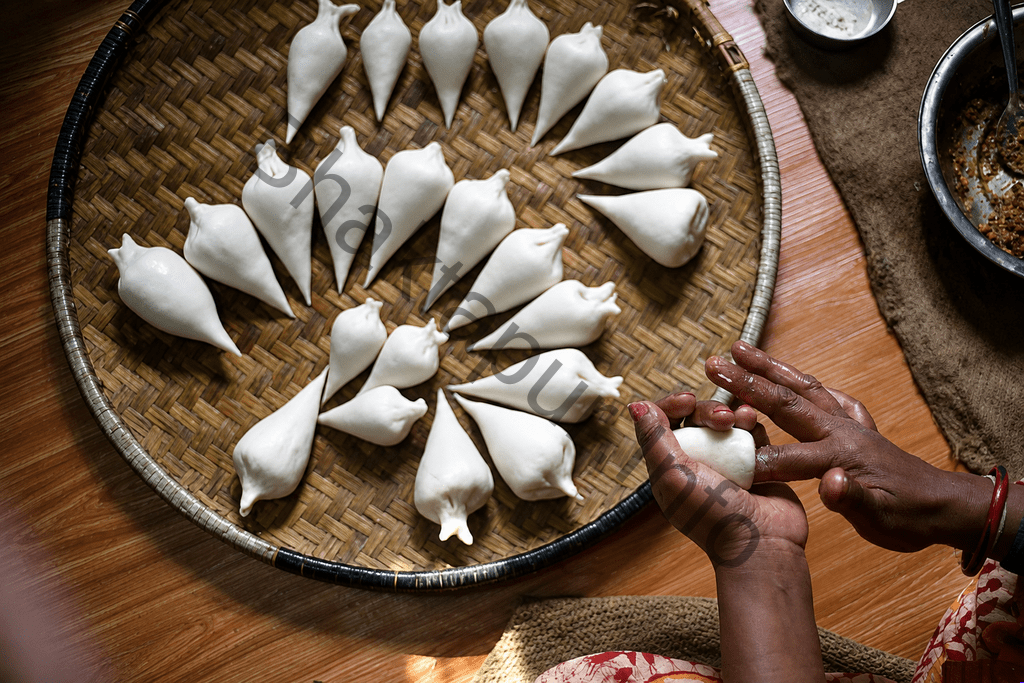
Yomari to relatives and friends and offer it to deities and ancestors, symbolizing prosperity, abundance, and good fortune. Beyond its religious and cultural significance, Yomari reflects the culinary artistry and communal spirit of the Newar people. In Bhaktapur, the preparation of Yomari remains an important family tradition, bringing generations together to preserve ancestral knowledge and celebrate their rich cultural heritage.
Yomari (योमरी) — Uses & Cultural Importance
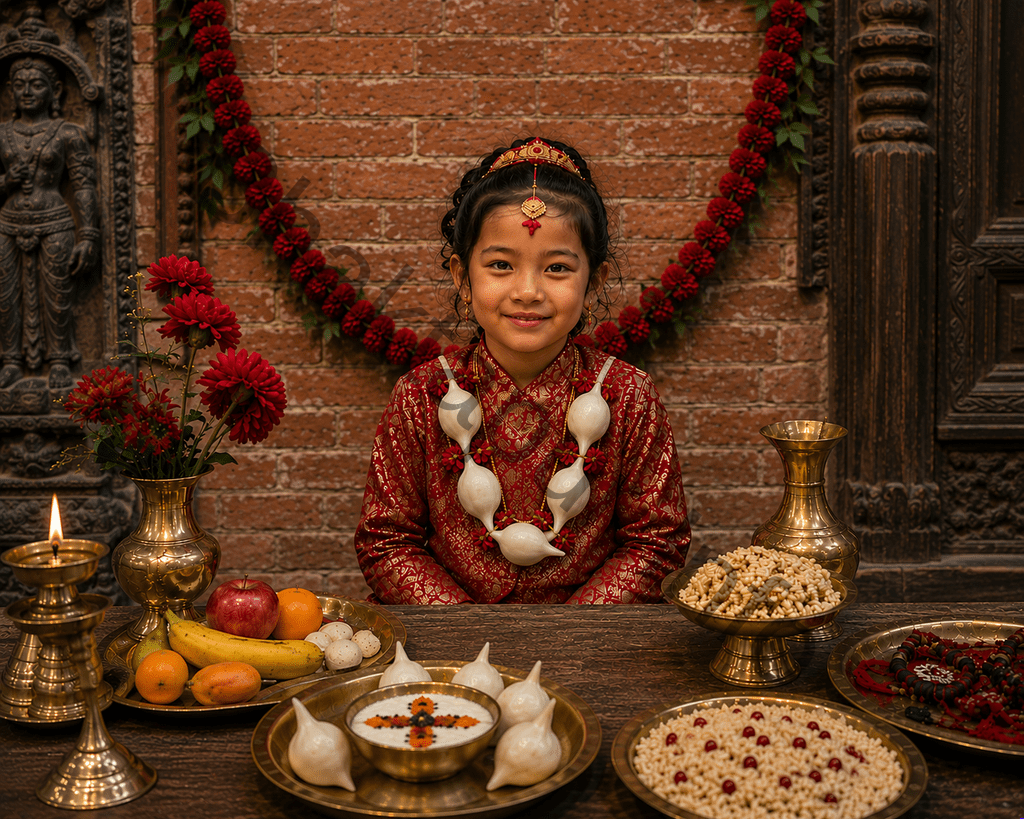
Yomari is not only a traditional Newari sweet but also an important part of Newar food culture, festivals, rituals, and family traditions, particularly in Bhaktapur.

Main Uses of Yomari
- Festival Food
Yomari is the signature food of Yomari Punhi, a major Newar festival celebrated after the rice harvest. - Religious Offering
It is prepared and offered to deities and household gods as part of traditional worship and thanksgiving rituals. - Celebration & Family Gathering
Families make Yomari together, making its preparation an important way of maintaining family and community traditions. - Sharing with Relatives & Neighbors
Traditionally, Yomari is shared with relatives, friends, and neighbors during Yomari Punhi, strengthening social bonds. - Harvest Celebration
Yomari is associated with the rice harvest and represents gratitude for agricultural abundance. - Traditional Newari Cuisine
It preserves traditional cooking techniques, especially the preparation of rice-flour dough and steaming. - Cultural Education
Making Yomari helps younger generations learn about Newar food traditions, festivals, rituals, and cultural identity. - Local Tourism & Heritage
Yomari has become an important part of Nepal’s cultural tourism, allowing visitors to experience traditional Newari cuisine.
Cultural Significance
The distinctive shape and preparation of Yomari carry traditional symbolic meanings. For Newar communities, it represents prosperity, fertility, abundance, and gratitude, while its preparation and sharing reinforce community relationships.
Traditional Ingredients
- Rice flour
- Chaku (molasses)
- Sesame seeds
- Coconut or other fillings, depending on family tradition
- Water for preparing the dough
Yomari is more than a sweet—it is a taste of Newar heritage, family tradition, and Bhaktapur’s living culture.
In short: Yomari is used as festival food, a religious offering, a harvest-celebration food, a family tradition, and a symbol of Newar cultural heritage. Today, Yomari has become a popular attraction for both domestic and international visitors, representing the unique gastronomic identity of Bhaktapur and the enduring legacy of Newar culture in Nepal.