

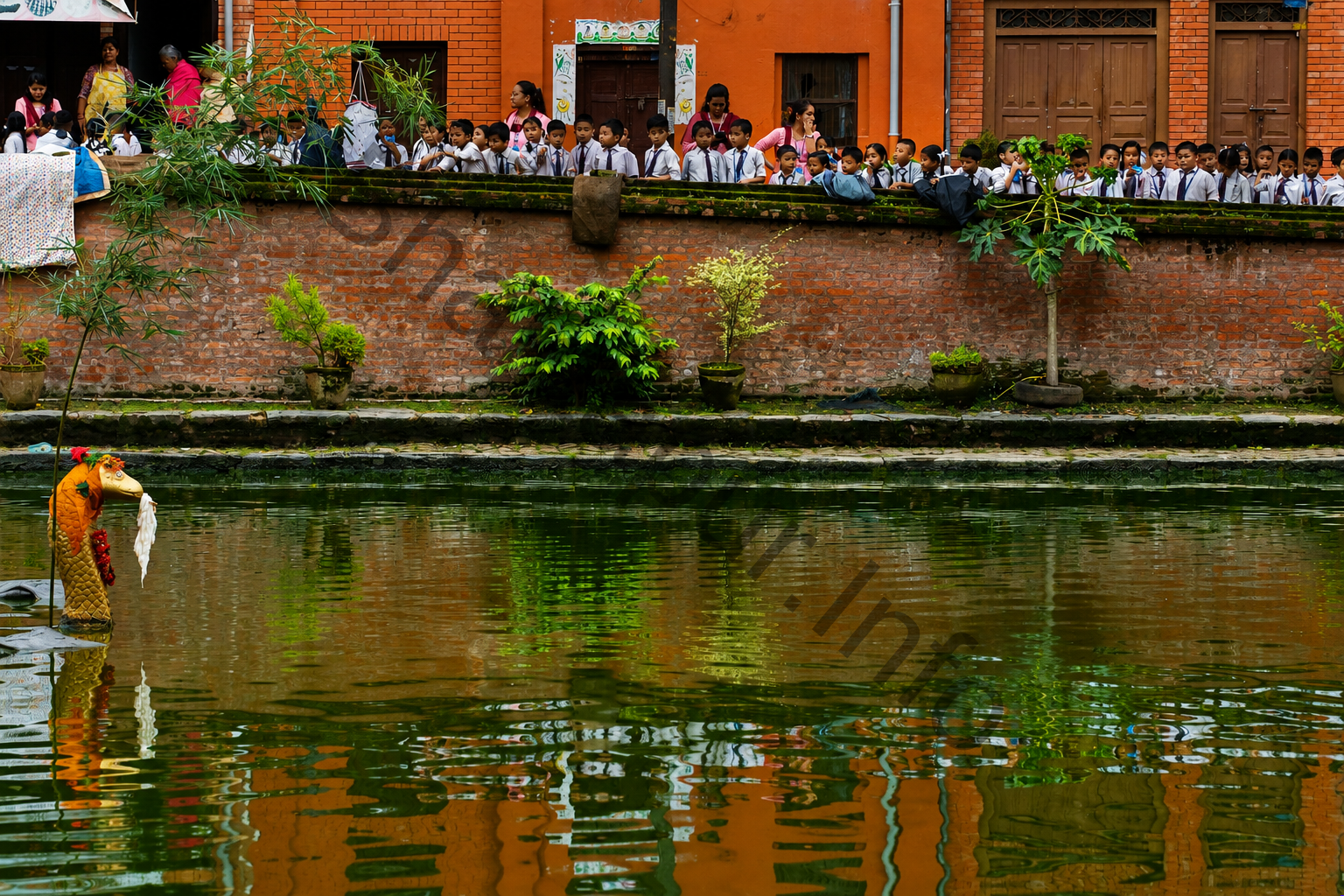

The history, architecture, location, and most culturally significant historic ponds in Thalachhen Tole, Bhaktapur, Nepal are all included in Nag Pokhari. This exquisitely preserved pond, which is situated in the center of the historic Newar community, is a significant monument that symbolizes Bhaktapur‘s long-standing customs of water conservation, religious devotion, and urban design. Nag Pokhari (Nepali: नाग पोखरी ) , which takes its name from the revered Naga (Serpent God), is seen as a representation of wealth, safety, procreation, and the conservation of natural water supplies. Locals, pilgrims, photographers, and tourists discovering Bhaktapur‘s hidden cultural gems still frequent this serene heritage site today.
Nag Pokhari’s location
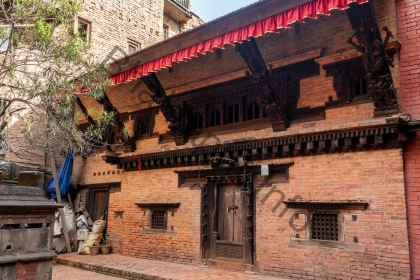
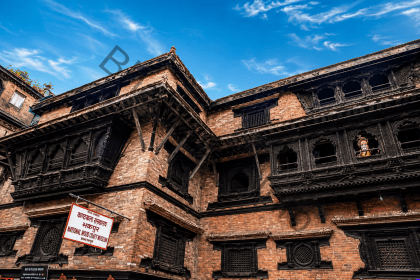
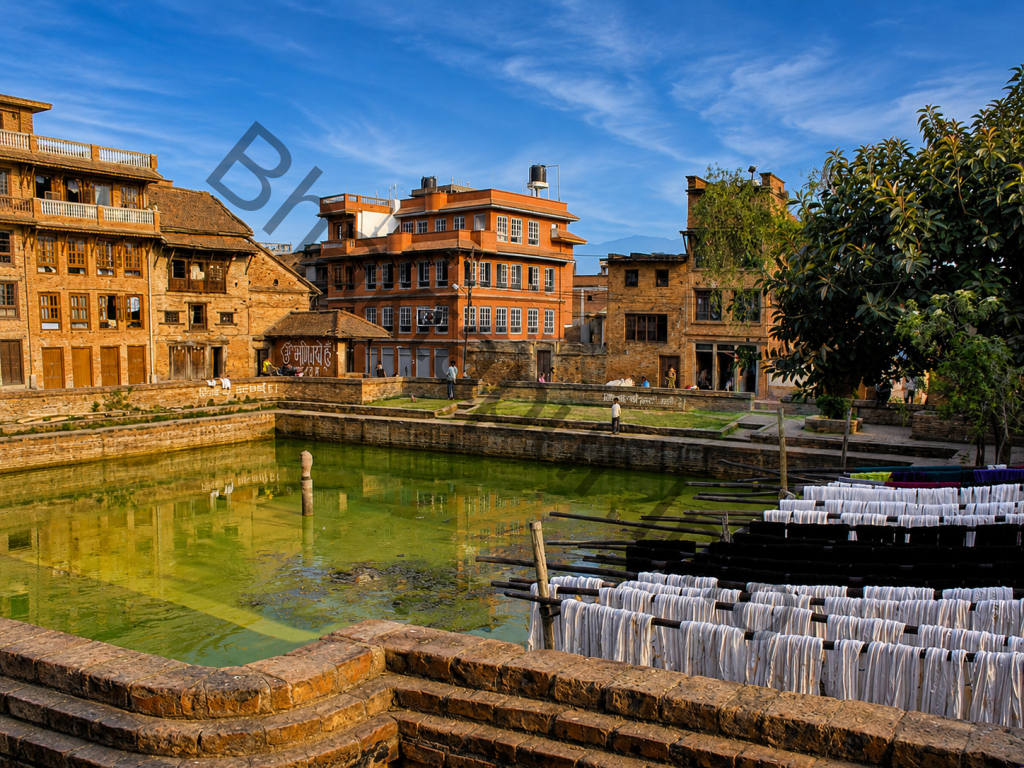
Nag Pokhari is located in the ancient center of the UNESCO World Heritage city of Bhaktapur, in Thalachhen Tole (Ward No. 10) of Bhaktapur Municipality. The pond is conveniently accessible to tourists exploring the city’s mediaeval alleyways, temples, monasteries, and traditional Newar homes because it is only a short stroll from Dattatraya Square. Nag Pokhari is a desirable destination for heritage walks because the surrounding neighborhood maintains its true ethnic ambiance.
The Nag Pokhari’s past
The growth of Bhaktapur as the Malla Kingdom‘s capital is intimately related to the history of Nag Pokhari. According to historical research, the pond was enhanced and maintained during the Malla era as part of the city’s intricate network of ponds and water systems, despite its ancient beginnings. Nag Pokhari, like many other traditional ponds in Bhaktapur, was vital for providing water, replenishing groundwater, and fostering religious life. The network of historic ponds in Bhaktapur is well known; many of them are from the Licchavi and Malla eras.
The name “Nag Pokhari” is derived from the holy Naga, the water-guardian snake god revered in Buddhist and Hindu cultures. The existence of a serpent idol at the pond’s center strengthens the local tradition that links the pond to Nag worship. The pond is still a significant location for religious ceremonies today, particularly on Nag Panchami, when followers bring milk, flowers, and prayers for rain, wealth, and safety.

Architecture and Structural Specifics
Traditional Newar engineering methods that blend practicality and aesthetic appeal are used in the construction of Nag Pokhari. The rectangular pond is bordered with expertly dressed stone masonry that lessens erosion and stabilizes the embankments.
The stone idol of the Naga, which stands in the middle of the pond and represents the celestial guardian of water, is the most notable feature. Traditional stone steps surround the pond, providing access to the water and making cleaning and ceremonial tasks easier. The surrounding open space serves as a venue for peaceful contemplation, religious rituals, and community gatherings.
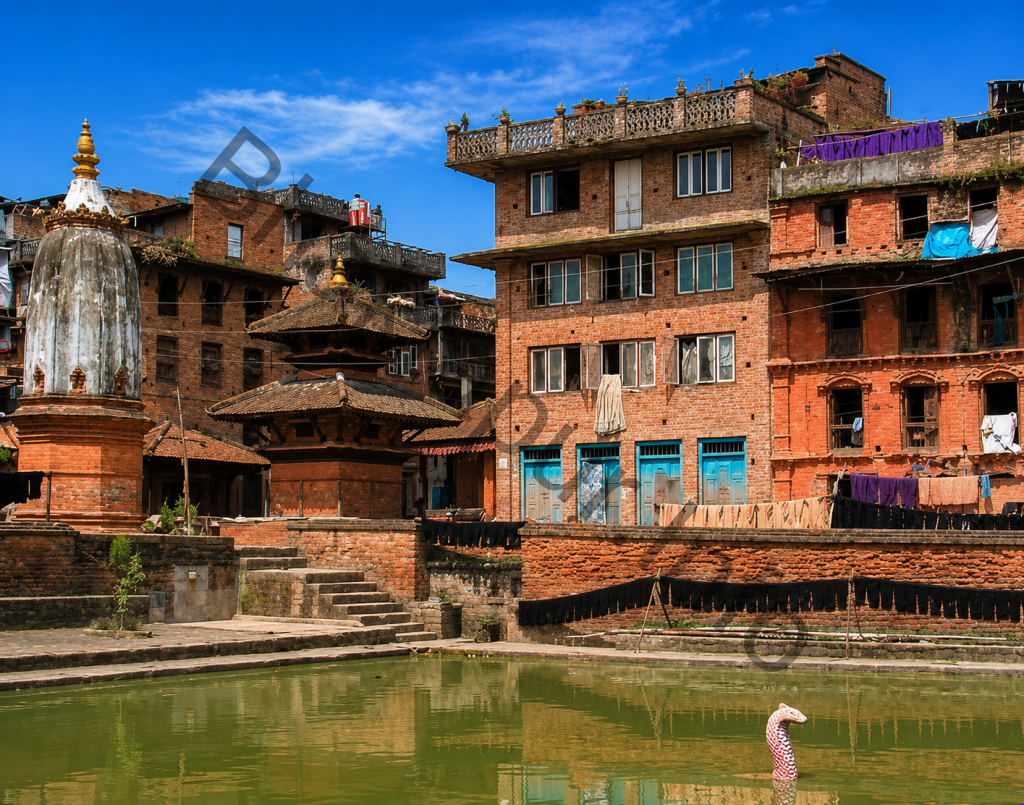
By collecting rainwater during the monsoon and assisting in preserving the region’s customary water balance, the pond also functions as a crucial groundwater recharge facility. The mediaeval designers of Bhaktapur incorporated ponds, canals, wells, and stone spouts into a sustainable urban water system, demonstrating their sophisticated understanding of the environment.
The Reason for Construction
Nag Pokhari was established for a number of significant environmental, religious, and social goals:
To gather and hold rainwater for the community.
- To replenish subterranean water supplies that supplied stone spouts and neighbouring wells. – To supply water for traditional ceremonies and religious rites.
To pay respect to the Naga god, who is thought to guard water supplies and bring rain on schedule. To lessen water scarcity and enhance the city’s environmental sustainability. - To operate as a hub for community gatherings where festivals and regional cultural events can be seen.
Religious and Cultural Significance
Both Buddhists and Hindus place a high religious value on Nag Pokhari. Nagas are revered in Newar tradition as protectors of springs, rivers, ponds, and subterranean water. It is said that worshipping the Naga will bring wealth to families, safeguard crops, and provide enough rainfall.

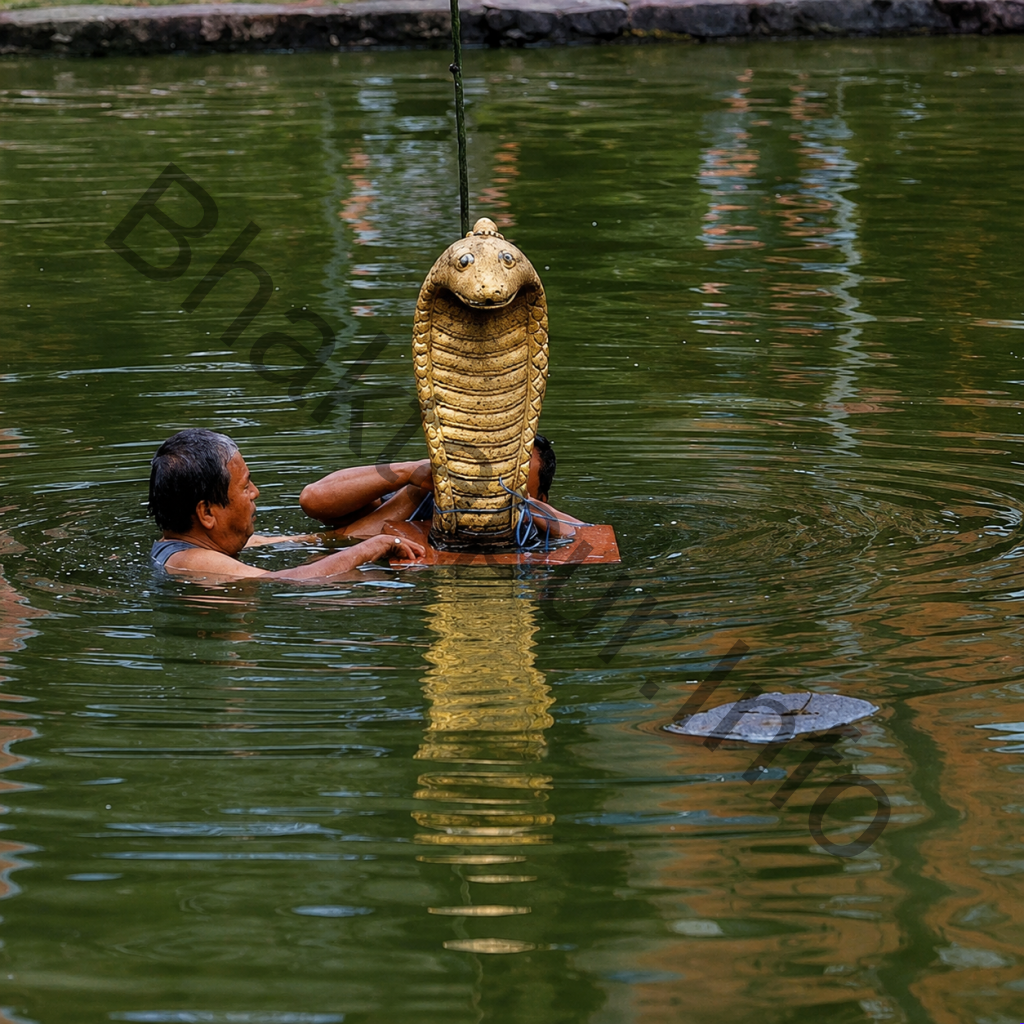
Devotees congregate near the pond to pray and make customary offerings on Nag Panchami. The pond is also a part of Bhaktapur’s broader cultural environment, where water features are closely associated with celebrations, regional customs, and communal identity.
Heritage Value and Tourism
One of Bhaktapur’s lesser-known but worthwhile historical sites is Nag Pokhari. Its tranquil surroundings, traditional setting, and historical significance are appreciated by tourists. Because of its position in Thalachhen, it’s a great place for tourists who want to see real Newar neighborhoods off of the main tourist routes.
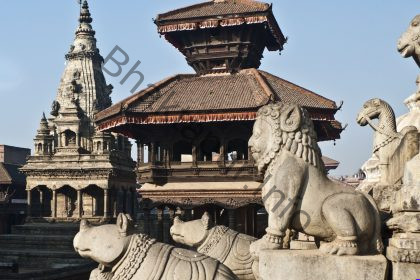
Bhaktapur Durbar Square, Dattatreya Square, Pottery Square, Siddha Pokhari, and many temples and monasteries are among the nearby sights that enable tourists to fully immerse themselves in the city’s rich cultural legacy in a single stroll.
Preservation and Its Future Significance
Nag Pokhari must be preserved as Bhaktapur grows in order to safeguard both the urban environment and cultural legacy. While preserving the city’s distinct character, historic ponds support biodiversity, flood control, groundwater recharge, and climate resilience.
Nag Pokhari is one of Bhaktapur‘s well-preserved historic ponds because to community involvement and heritage conservation initiatives. Future generations will be able to enjoy this amazing example of traditional Newar engineering and culture if conservation efforts are maintained.