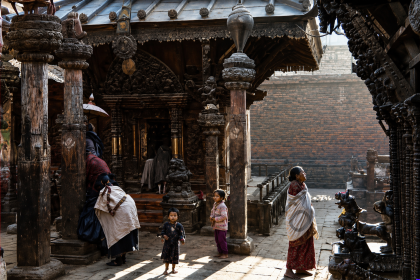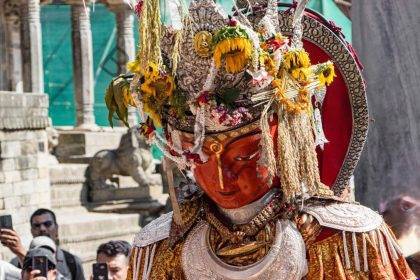


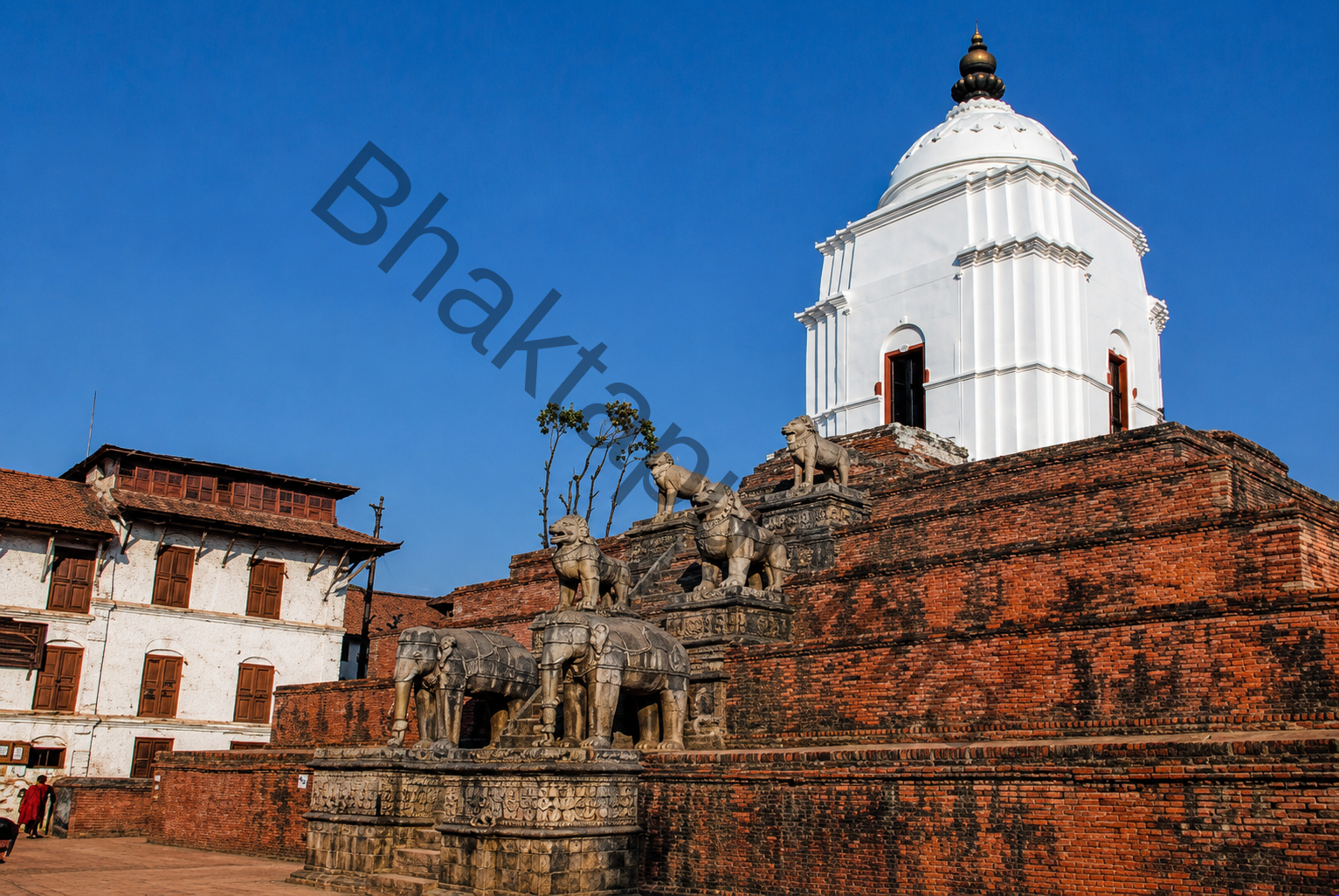

The Shilu Mahadev Temple, also called Fasidega (Phasidega/Phasidegal), is one of the most notable structures in Bhaktapur Durbar Square, a UNESCO World Heritage Site in Nepal. The temple, which is devoted to Lord Shiva, is well-known for its imposing platform, striking Shikhara-style architecture, and deep historical significance. It has been a significant religious landmark and a masterpiece of architecture for centuries, showcasing the artistic prowess of the Malla era.
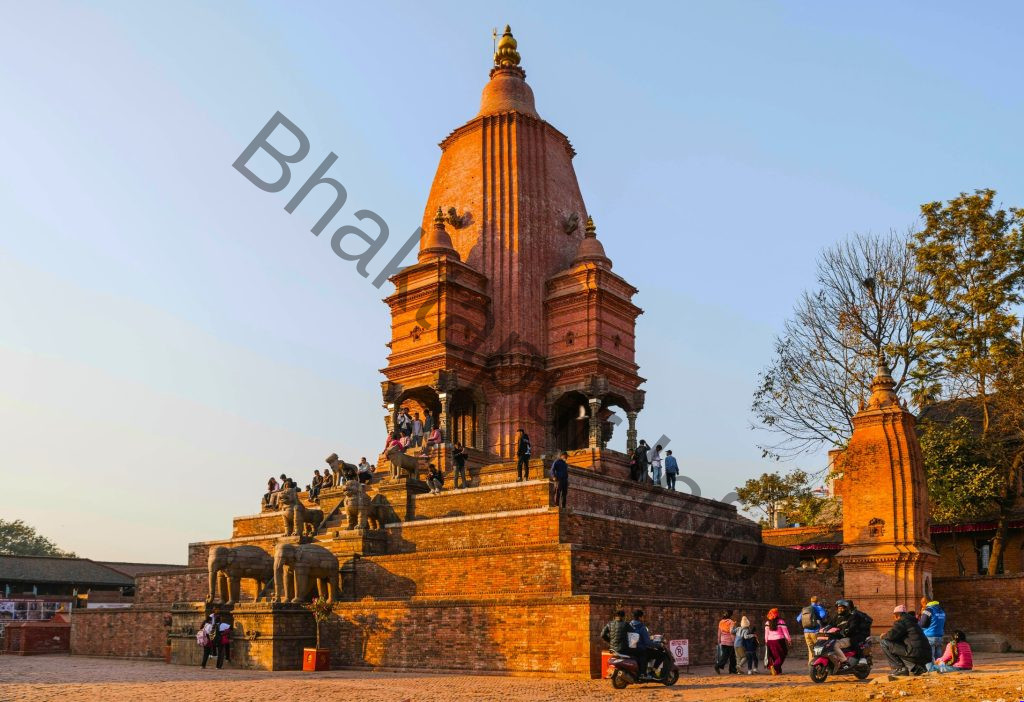
The monument’s original and sacred name is Shilu Mahadev, which is derived from the Shiva shrine housed within the temple, even though many tourists know it by the name Fasidega. The temple is one of Bhaktapur’s most photographed landmarks because of its conspicuous location next to the ancient Fifty-Five Window Palace.
History
One of the well-known Malla monarchs of Bhaktapur, King Jitamitra Malla (1673–1696 AD), had Shilu Mahadev Temple built. Before the renowned Nyatapola Temple was built, the temple, which was constructed in the Shikhara architectural style, was among the tallest buildings in Bhaktapur.
The 1934 Nepal-Bihar Earthquake caused significant damage to the shrine. It was rebuilt with a dome-shaped superstructure that drastically changed its historical appearance rather than returning to its original Shikhara design. Only the enormous stepping platform remained intact after the upper building totally collapsed during the terrible 2015 Gorkha Earthquake. Since then, the Department of Archaeology in Nepal has overseen restoration efforts aimed at reconstructing the temple more closely to its original historic shape.

Architecture
In contrast to the Pagoda temples frequently seen in Bhaktapur, Shilu Mahadev is a magnificent example of ancient Nepalese Shikhara architecture.
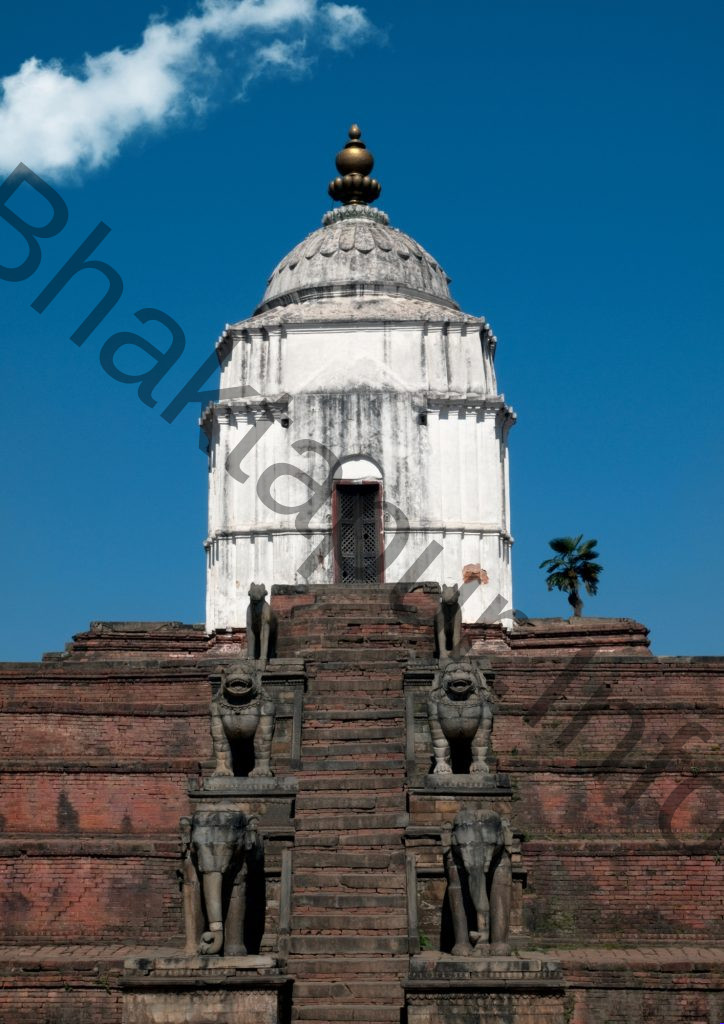
The temple is elevated above the surrounding plaza by a six-tiered brick and stone platform. Symbolic stone sculptures positioned in rising order of power guard the main staircase:
- Elephants
- Lions
- Bulls (Nandi), the sacred vehicle of Lord Shiva
These guardian figures stand for Power, Bravery, Defense, and Heavenly Authority.
The several terraces, according to scholars, also symbolize the five cosmic incarnations of Lord Shiva and the philosophical idea of the Pancha Maha Preta.
Religious Significance
The temple is devoted to Lord Shiva, who is revered here as a Holy Shiva Linga. All year long, local devotees come to donate Oil Lamps, Flowers, Holy Water, Milk, and Incense.

The following are major events that make the temple particularly important:
- Maha Shivaratri
- Festival of Teej
- Mondays of in the month of Shrawan
- Bala Chaturdashi
- Bhaktapur celebrates a number of Newar religious festivals.
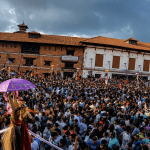
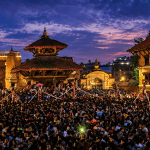
Shilu Mahadev continues to be a significant spiritual destination for the Newar community and is a feature of many religious processions that take place in Bhaktapur Durbar Square (Layaku).
What gives it the name Fasidega?
The temple is referred to by many people as Fasidega (also spelled Phasidega or Phasidegal). After the temple was rebuilt after the 1934 earthquake, the old tower was replaced with a dome-like structure that resembled a pumpkin, giving rise to the moniker. Shilu Mahadev is its true historical name because the shrine has always been devoted to Lord Shiva, despite its popular name.
Restoration and Damage from Earthquakes
One of the most important heritage restoration initiatives in Nepal is Shilu Mahadev.
Nepal-Bihar Earthquake 1934 (1990 B.S)
- The original Shikhara was destroyed.
- rebuilt with a roof in the shape of a dome instead of the original.
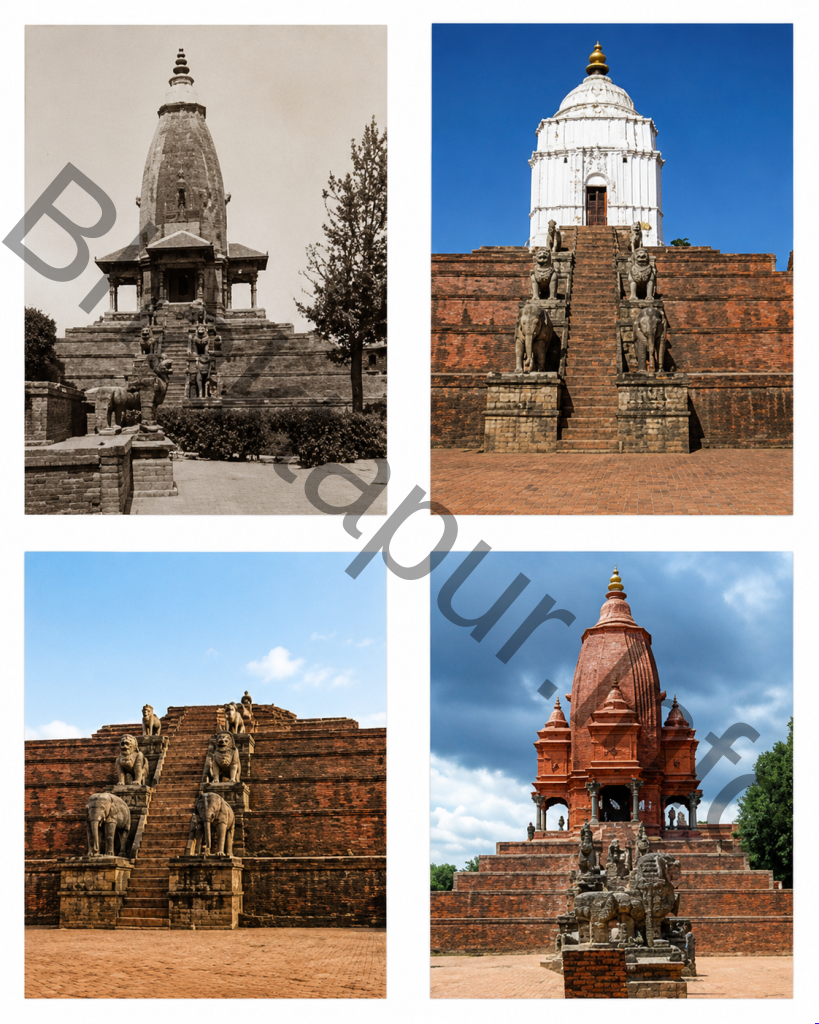
Gorkha Earthquake of 2015 (2072 B.S)
- The entire upper temple fell apart.
- Most of the guardian sculptures and stone platforms have survived.
- Original structural components were discovered through archaeological research.
Present-Day Restoration
In order to replicate the monument’s original Malla-era appearance while maintaining its authenticity, the Department of Archaeology is repairing the temple using historical documents, archeological evidence, and traditional construction methods. After thorough documentation and structural analyses, restoration has advanced in stages.
Visitor Information
Location: Northeast section of Bhaktapur Durbar Square, beside the Fifty-Five Window Palace.
UNESCO Status: Part of the Bhaktapur Durbar Square Monument Zone, a UNESCO World Heritage Site.
Best Time to Visit
- Early morning for peaceful worship.
- Late afternoon for beautiful golden-hour photography.
- During festivals such as Maha Shivaratri and Bisket Jatra for vibrant cultural experiences.
Photography
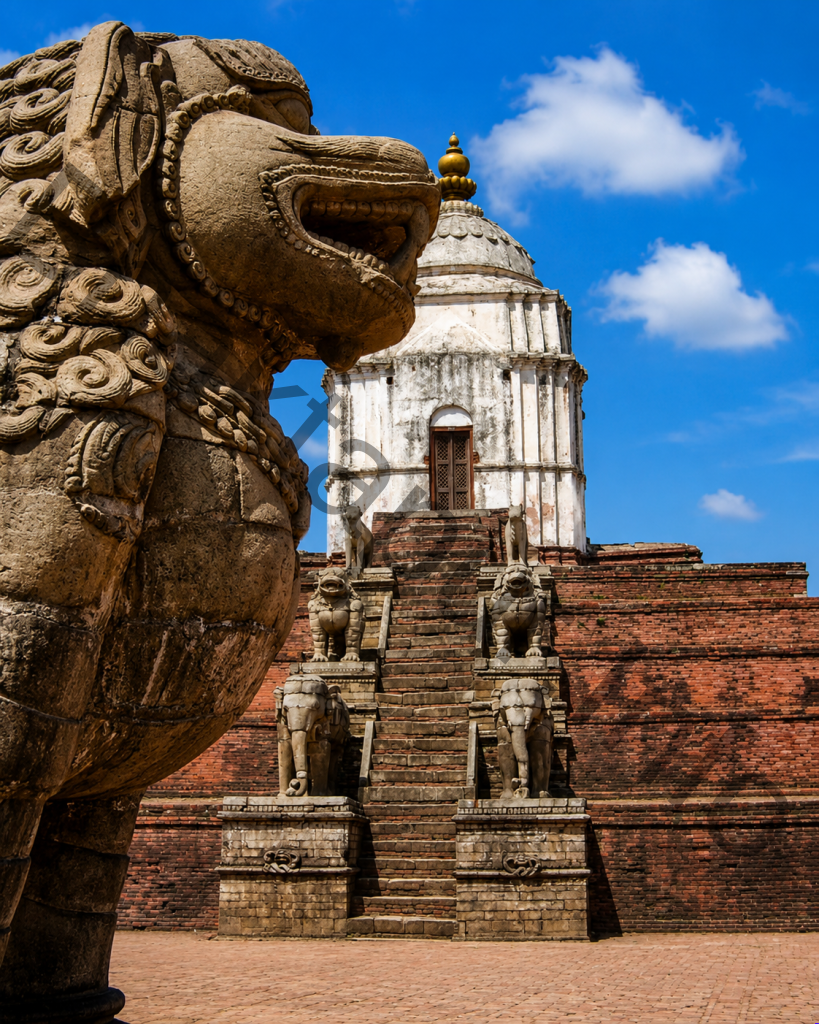
Shilu Mahadev is one of Bhaktapur’s finest photography locations. The elevated platform offers excellent views of:
- Bhaktapur Durbar Square
- Fifty-Five Window Palace
- Golden Gate
- Nyatapola Temple
- Traditional Newari architecture
The temple is particularly stunning during sunrise and sunset when warm light highlights its intricate brickwork and stone sculptures.
Nearby Attractions
Visitors can easily explore several famous monuments within walking distance:
- Nyatapola Temple
- Fifty-Five Window Palace
- Golden Gate (Lu Dhwākhā)
- Vatsala Temple
- Yaksheshwar Mahadev Temple
- Bhairavnath Temple
- National Art Museum
- Siddha Pokhari
Interesting Facts
- One of the tallest temples ever built in Bhaktapur before Nyatapola Temple.
- Dedicated to Lord Shiva despite its popular nickname, Fasidega.
- Built during the reign of King Jitamitra Malla.
- Originally constructed in Shikhara style.
- Restored after both the 1934 and 2015 earthquakes.
- Its massive six-tiered platform survived major earthquakes better than the upper structure.
- One of the most recognizable monuments within Bhaktapur Durbar Square.