



A Complete Visitor’s Etiquette Guide for Respectful Travel in Nepal’s Living Heritage City
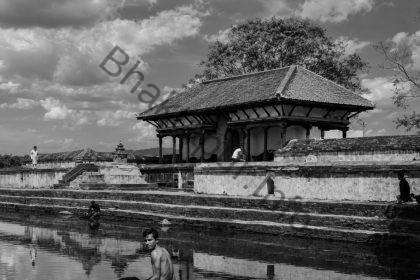
Bhaktapur is a Living Museum where centuries-old customs, rituals, and everyday life continue to flourish, rather than just a historic city with gorgeous temples and palaces. Each small lane, temple, shrine, and courtyard has religious and cultural value. Because it is a UNESCO World Heritage Site, both residents and tourists have a shared obligation to preserve its legacy. You may contribute to the preservation of Bhaktapur‘s invaluable cultural assets while having a genuine and unforgettable experience by adhering to a few easy rules.
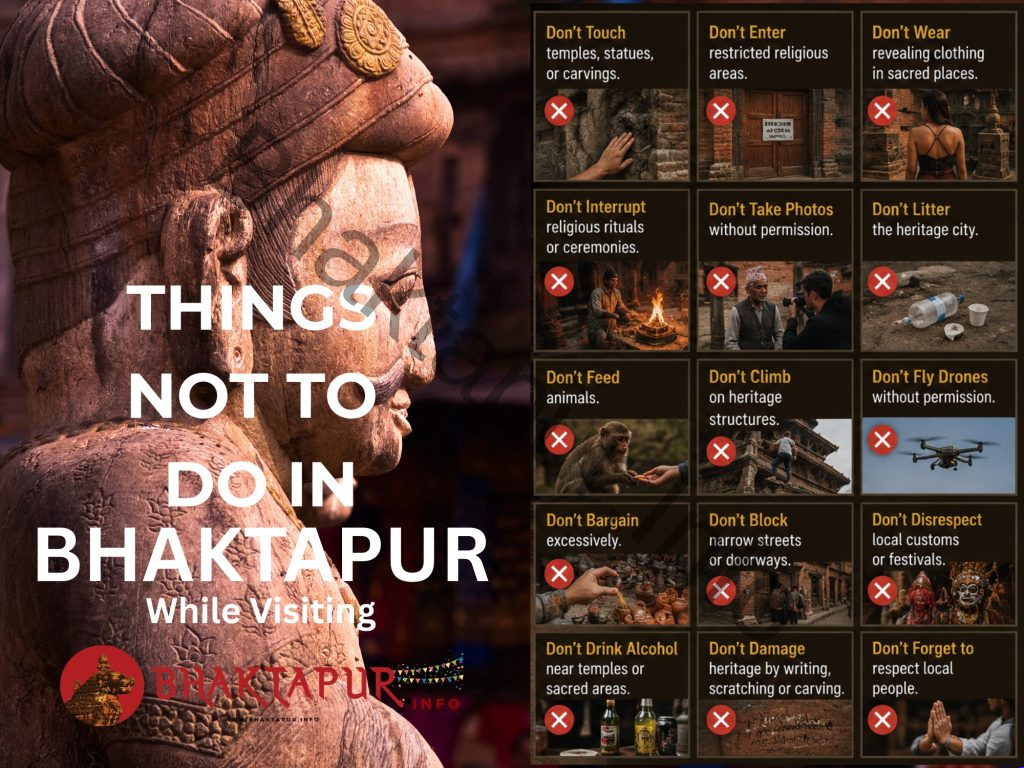
1. Don’t Touch Ancient Temples, Sculptures, or Wood Carvings
Bhaktapur is home to numerous monuments that date back several hundred years. Steer clear of touching delicate stone sculptures and wood carvings, climbing on statues, and leaning on temples. These magnificent works of art are gradually harmed by human hand oils.
2. Don’t Enter Restricted Religious Areas
There are sections set aside for priests or worshippers in many Buddhist and Hindu temples. Always pay attention to signage and honor regional traditions. Ask a local guide or temple caretaker gently if you’re not sure if admission is allowed.
3. Don’t Wear Revealing Clothing
Bhaktapur remains a deeply religious and traditional city. When visiting temples and sacred sites:

- Avoid very short shorts or skirts.
- Cover your shoulders.
- Wear respectful clothing.
- Remove shoes before entering temples where required.
Dressing modestly shows respect for local culture.
4. Don’t Interrupt Religious Rituals
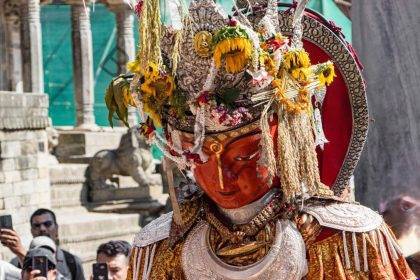
Throughout the day you’ll encounter prayers, cremation rituals, processions, masked dances, and traditional ceremonies.
Never:
- Walk through a religious procession.
- Stand directly in front of worshippers.
- Touch ritual objects.
- Distract priests or devotees.
Observe quietly from a respectful distance.
5. Don’t Take Photos Without Permission
Although architecture is generally open for photography, always ask before photographing:

- Local residents
- Children
- Priests
- Traditional dancers
- Religious ceremonies
- Elderly people
Some rituals are sacred and should not be photographed.
6. Don’t Litter
Help keep Bhaktapur beautiful.
Carry your rubbish until you find a bin. Never throw:
- Plastic bottles
- Food wrappers
- Cigarette butts
- Tissues
Bhaktapur is one of Nepal’s cleanest heritage cities, and visitors are encouraged to help preserve it.
7. Don’t Feed Animals Unnecessarily
Monkeys, Pigeons, Goats and Stray Dogs are part of the city’s environment. Feeding them can create health issues and encourage aggressive behavior.
8. Don’t Climb Heritage Structures
Many Temples, Rest houses (Patis), Stone Platforms, Staues and monuments are fragile.
Avoid:
- Climbing temple roofs
- Sitting on sacred statues
- Standing on ancient stone monuments
- Leaning against carved windows
9. Don’t Fly Drones Without Permission
Drone photography over heritage sites requires official permission from the relevant authorities. Flying drones without authorization may violate heritage protection rules and local regulations.
10. Don’t Bargain Excessively
Negotiating prices is acceptable in some souvenir shops, but remember that many handicrafts are handmade by skilled Newar artisans.
Respect their craftsmanship and avoid aggressive bargaining.
11. Don’t Block Narrow Streets
Bhaktapur‘s centuries-old alleys remain active streets used daily by residents.
Avoid:
- Blocking doorways
- Standing in large groups
- Obstructing bicycles or motorcycles
- Blocking religious processions
12. Don’t Ignore Local Customs During Festivals
If you visit during festivals such as:
- Biska Jatra
- Gai Jatra
- Gunla Parva
- Dashain
- Mohani
- Indra Jatra celebrations
Remember that these are living religious events—not tourist performances.
Always follow instructions from local volunteers and maintain a respectful distance.
13. Don’t Consume Alcohol Near Temples
While traditional Newari beverages form part of local culture, drinking alcohol in or around temples and sacred courtyards is considered disrespectful.
14. Don’t Damage Heritage by Writing or Scratching
Never carve names, attach stickers, or write graffiti on ancient bricks, temples, walls, or monuments.
These structures have survived for centuries and deserve careful preservation.
15. Don’t Forget to Respect Local People
The people of Bhaktapur are known for their hospitality and strong cultural identity.
Simple gestures such as saying “Namaste”, smiling, speaking politely, and showing patience are always appreciated. Using your right hand when giving or receiving items is also considered respectful in local etiquette.
Final Thoughts
Bhaktapur is more than just a tourist destination; it’s a city where daily life, religion, art, and history coexist together. Centuries of living history are reflected in every brick-paved street, elaborately carved temple, and colorful celebration. You can enjoy a deeper and more genuine tourist experience while contributing to the preservation of this remarkable city for future generations by honoring local customs, safeguarding historic sites, and engaging carefully with the community. Responsible tourism guarantees that Bhaktapur will continue to be one of Nepal’s most cherished cultural destinations, regardless of how long you spend there.