


Bhagasti–Bhalabhala Astami
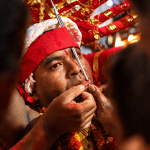
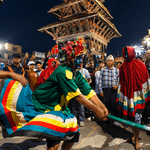
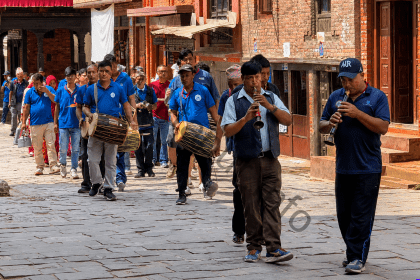
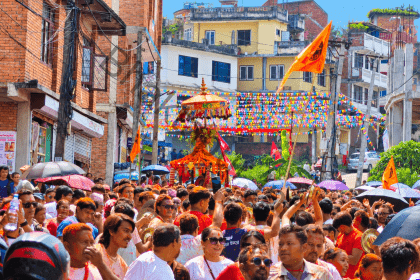
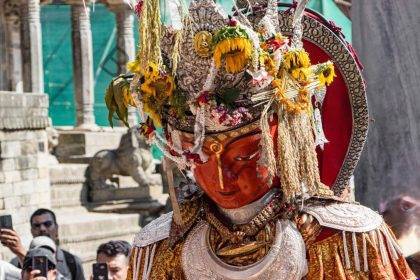
Bhagasti–Bhalabhala Astami (भलभल अष्टमी/ भगस्ती (Bhagasti)) is an important traditional festival of the Newar community, especially in Bhaktapur. The festival is closely associated with the sacred Navadurga Dance Tradition and marks the end of the annual cycle of the Navadurga deities. It is celebrated on the Eighth day (Ashtami) of the waning Lunar fortnight during the Nepali month of Tachhalā (around June–July).
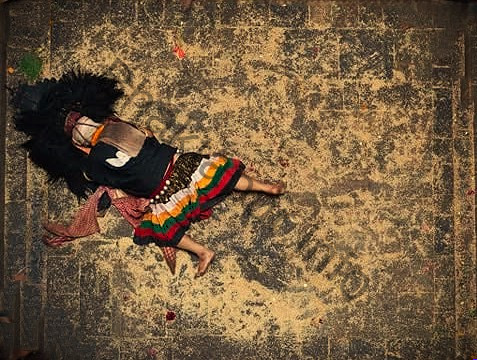
The word Bhagasti is derived from Bhagavati Ashtami, while Bhalabhala Astami is another popular local name for the same festival. On this day, the masks representing the Navadurga deities are ritually “cremated” or buried, symbolizing the temporary departure of the gods before their renewal in the next ritual cycle.
The festival has deep religious and cultural significance:
- It marks the conclusion of the annual Navadurga performances.
- Special rituals are performed for the welfare and protection of the community.
- The ceremonies symbolize the cycle of Death, Purification, and Rebirth, reflecting the continuity of life and tradition.
- The festival is also linked with the agricultural season, as blessings are believed to ensure good rainfall and successful rice cultivation.
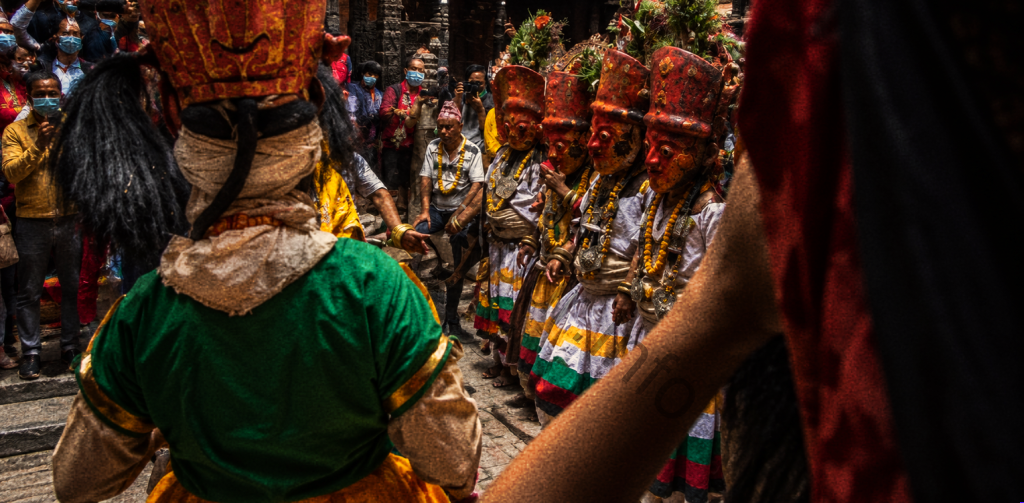
Bhagasti–Bhalabhala Astami is not only a religious observance but also an important part of Nepal‘s intangible cultural heritage, preserving the centuries-old traditions, dances, and beliefs of the Newar people.

Members of the Navadurga Gana go around the city offering Pasuka (पासुका)* to all the devotees of Bhaktapur, ensuring their safety during their absence from the city.
*(There are two primary cultural connotations associated with Pasuka (पासुका) in Bhaktapur. It might allude to an intricately carved old window called Pasuka Jhya, or it can refer to a sacred protecting thread that the Navadurga Gana Members give to devotees to keep them safe while the deities stay in the rivers.)